
The importance of identity is not just a 21st Century trend. The significance of a person’s identity dates back to the Ancient Near Eastern culture preserved in the Bible.
Parents commonly named their children based on prominent identity markers. For instance, Isaac and Rebekah named their second born, Jacob, who was born clinging to his two brother’s ankle. Jacob (Ya’aqov in Hebrew) meant “supplanter,” “heel-catcher,” or “he who follows on the heels of.” The name became part of his identity not just literally; it corresponded with actions to acquire his older brother’s birthright from his father by manipulation and deception. (Gen. 25:26; 27:36; and Hos. 12:2-4)
God often gave people new names to go with their identity in relation to God. After a personal encounter with the Lord, God gave Jacob a new name: Israel, which meant “struggles with God,” “wrestlers with /God,” or “God prevails.” (Gen. 32)
The naming of children and God renaming people according to some key characteristic associated with their personal identity, or a new identity God gave them, is a common theme in the Bible. Groups of people were known by ancestral names, like Israelites, Amalekites, Hittites, etc. Thus, I find significance in the name Moses gave his first born child: Gershom.
Moses was the son of Hebrew parents, but he was placed in a basket in the Nile when Pharaoh ordered the killing of all male Hebrew babies. The Pharaoh’s own daughter found Moses and adopted him, though she allowed him to be nursed by a Hebrew woman who turned out to be Moses’s mother.
Moses grew up in the privilege of the Pharaoh’s house. He was educated in all the ways of Egypt, learned to read and write, and was familiar with Egyptian history, culture, religion, and philosophy. He was Hebrew by birth, but he was Egyptian by upbringing.
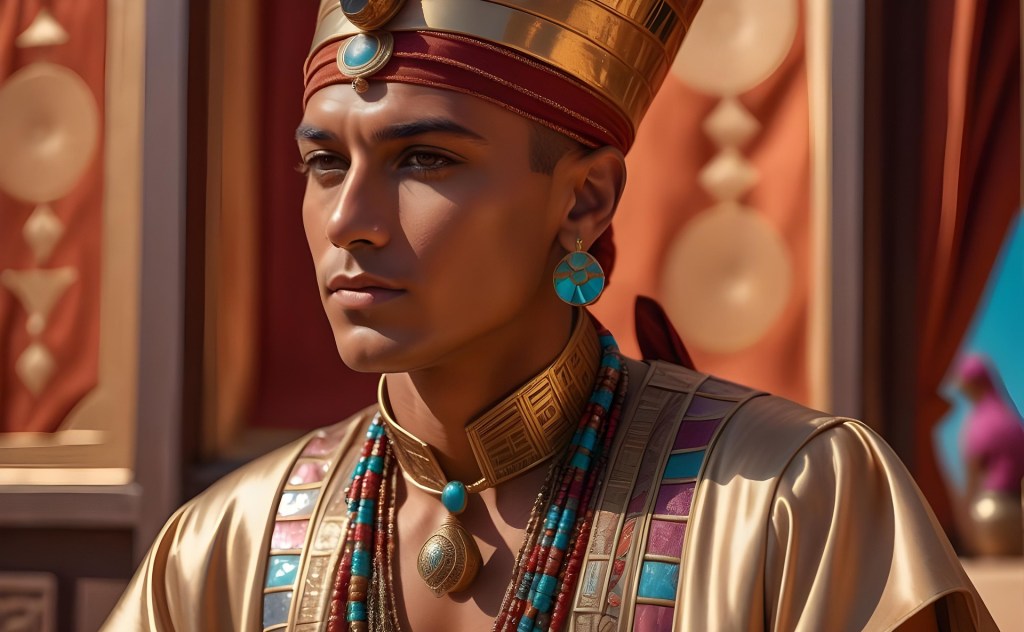
Moses must have known that he was Hebrew. It was probably obvious by his facial features, and he might have even been circumcised. He was schooled in Egyptian ways and thinking, but he was probably painfully aware that he was not Egyptian by birth.
One day as he observed an Egyptian beating a Hebrew man, Moses stepped in and killed the Egyptian. I believe Moses identified with the Hebrew man because of his Hebrew ethnicity. He fled into the desert in Midian for fear of punishment from the Egyptians for the murder.
In Midian, he was accepted into the family of a Midianite, married a Midian woman, and settled down there. When his wife, Zipporah, gave birth to a son, “Moses named him Gershom, saying, ‘I have become a foreigner in a foreign land.’” Exodus 2:21-22
Moses named his first son Foreigner because he identified as a foreigner himself. Despite being raised as an Egyptian in Pharaoh’s family with all the privilege associated with the royal household, Moses could not escape the fact of his Hebrew heritage. That knowledge influenced his personal identity. That identify as an outsider – a foreigner – was reinforced in his persona when he settled in Midian to the extent that he extended that identity to his firstborn son.
I find significance in that story and in the realization that Moses identified so poignantly with being a foreigner. That same identity – of being foreign – defined the Hebrew people enslaved in Egypt. It remained with them as they wandered 40 years in the Levant wilderness, and, God sanctified that identity for the Israelites in the Mosaic Law:
“When you reap the harvest of your land, do not reap to the very edges of your field or gather the gleanings of your harvest. Do not go over your vineyard a second time or pick up the grapes that have fallen. Leave them for the poor and the foreigner. I am the Lord your God….
“When a foreigner resides among you in your land, do not mistreat them. The foreigner residing among you must be treated as your native-born. Love them as yourself, for you were foreigners in Egypt. I am the Lord your God.“
Leviticus 19:9-10, 33-34
The Israelites lived 430 years in Egypt by the time Moses led them out of that land. Their memories of the promised land were ancient history. Their memories would be like modern Native Americans recalling the history of the United States in 1596. European settlers at that time comprised a few thousand people at most in precarious settlements in the New World inhabited by millions of indigenous people.
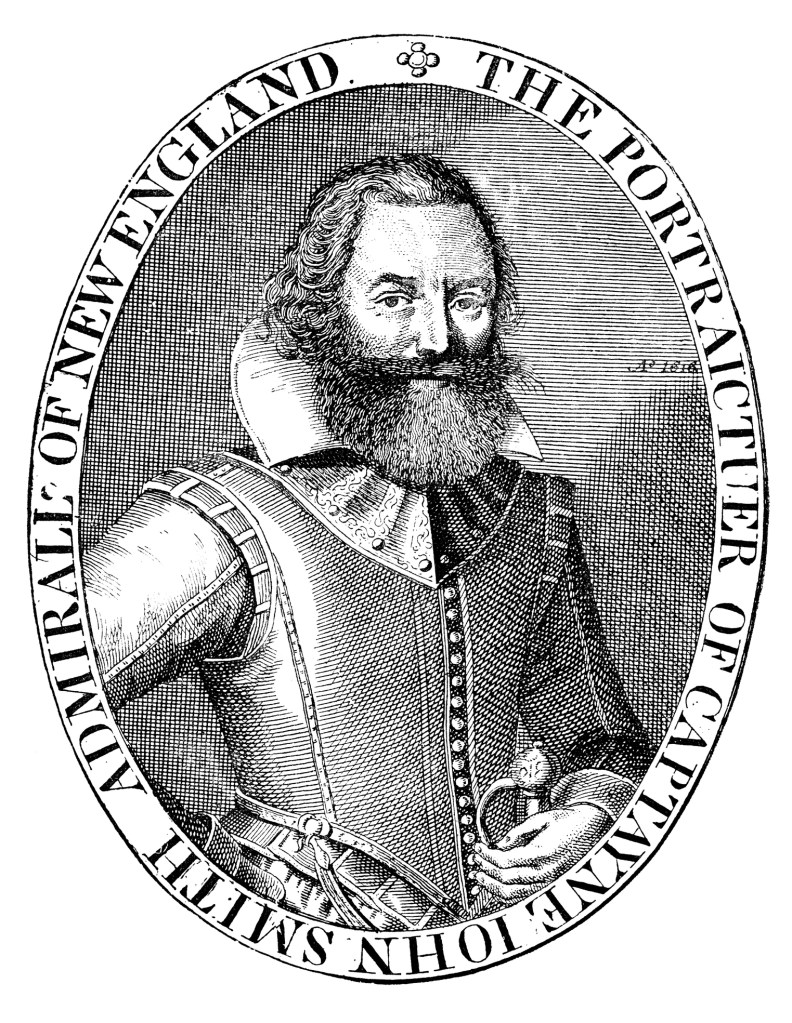
The Roanoke Colony had already failed, and no English settlements remained. Some Spanish missionary and military expeditions existed in the south and west, and French and Portuguese fishing camps existed in Newfoundland. Jamestown (1607), Quebec City (1608), Plymouth (1620), and New Amsterdam (New York, 1624) were not yet established.
Some 430 years later, the Native Americans may identify as outcasts in their own country, like Israelites identified as foreigners in their “home” country of Egypt. The Israelites lived there, but they were not assimilated into Egyptian culture, and they lived there without all the benefits Egyptian privileges.
Though Moses was raised with Egyptian privileges in the royal family, he never lost his Hebrew identity. In that sense, Moses identified similarly to the way Christians are taught to identify themselves in the New Testament: as people of God who are foreigners and exiles (1 Peter 2:10-11), “foreigners and strangers on earth” (Hebrews 11:13), who are now “fellow citizens with God’s people.” (Ephesians 2:19)
For Moses, though, he probably didn’t even feel at home with his own, Hebrew people because of his upbringing. He was raised separately from them. His Hebrew features (and perhaps circumcision) reminded him of his heritage. He could not escape it, but his personal connection to those Hebrew roots was not yet intimate.
Even so, the sense of foreign identify was profound enough that Moses was compelled to come to the aid of a Hebrew stranger. Moses identified with the plight of the Israelites who lived as vulnerable foreigners in a land they could not call their own.
I and my fellow Christians should have the same profound sense of living as strangers in a foreign land in this world – if, indeed, we are citizens of heaven. This realization hits home today as I watch what is happening in the streets of American cities.
Do we identify with the aliens and strangers in our country? Or do we identify with the government that has recently adopted more oppressive and strong handed tactics to deal with immigrants in this country who are not wanted here? If you are not sure these connections belong together, bear with me awhile longer.
Continue reading “The Importance of Our Identity as Citizens of Heaven: Moses, Aliens, and Strangers”





 Navigating by Faith