If we step into the light, our condition is exposed. But, that is where we find truth; that is where we find God
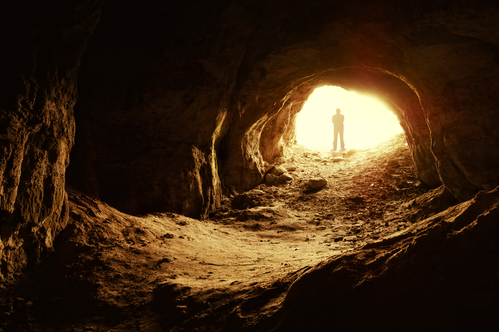
Psalm 139 is a favorite of mine. It can be very comforting knowing that God is intimately familiar with me. He knows my struggles, my good intentions, what I long for and what I need.
You have searched me, Lord,
and you know me.
You know when I sit and when I rise;
you perceive my thoughts from afar.
You discern my going out and my lying down;
you are familiar with all my ways.
Before a word is on my tongue
you, Lord, know it completely.
(Psalm 139:1-4) On the other hand, God knows my demons, my sinful thoughts, my envious, hateful, spiteful and selfish thoughts. He not only sees the good things I do and think (that I want others to know); He sees the bad things I do and think (that I want no one to see). The idea that God knows me so well – even better than I know myself – is both a wonderful and a fearful thing!
The amazing thing is that He loves me. He knows me intimately – better than I know myself. and He loves me.
Where can I go from your Spirit?
Where can I flee from your presence
(Psalm 139:7) King David’s question is rhetorical of course. The answer is clearly nowhere. Nowhere can I go that God is not present. David takes comfort in that thought.
If I go up to the heavens, you are there;
if I make my bed in the depths, you are there.
If I rise on the wings of the dawn,
if I settle on the far side of the sea,
even there your hand will guide me,
your right hand will hold me fast.
(Psalm 139:8-10) That knowledge is as unnerving as it is comforting. Nowhere can I go that God is not present and nothing can I do, or even think, that God does not know it. David knew this full well. He learned it intimately through experience.
After he was tempted and succumbed to that temptation, seeing Bathsheba from his roof top, inviting her into his home and lying with her, and then plotting to send her husband to his death to cover up the misdeed, David was called to account by God in dramatic fashion. David’s sin was laid bare. He was completely undone by it. So, David knew well these words:
If I say, “Surely the darkness will hide me
and the light become night around me,”
even the darkness will not be dark to you;
the night will shine like the day,
for darkness is as light to you.
(Psalm 139:11-12) When Adam and Eve sinned in the Garden, their first reaction was to hide themselves from God. People have been hiding from God ever since to this day. Hiding from God is as futile an exercise as it is foolish. God knows every hair on our heads and every thought that runs through our heads. He surely knows every action that we take. There is nothing hidden from God.
Continue reading “Stepping Into the Light” →




 Navigating by Faith