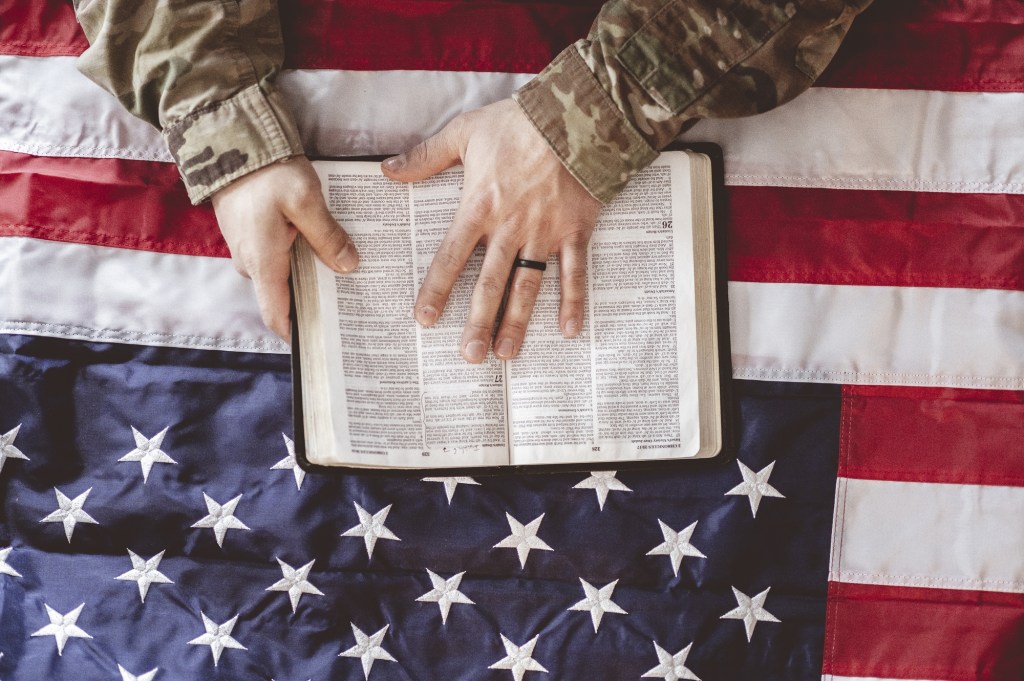
Comments on Why God Became Incarnate and Died for Our Sins

Daniel Mann does a good job of explaining Why Christ, as God Incarnate, Had to Die for Our Sins. In reading his explanation, my mind goes to statements like God’s “transcendent love” and “total abhorrence for sin”, God’s “righteousness” and “divine forbearance” for sin, and the price that had to be paid “to satisfy God’s righteous character”.

Daniel describes his own reaction to these concepts formerly, as a non-Christian. He felt God was a “deceiving sadist” until one day he realized that Jesus was God incarnate, that God did not merely sacrifice a created being – God sacrificed Himself in human form!


Indeed, that is the central point of Christian belief, which is described beautifully and poignantly in Paul’s letter to the Philippians (2:5-8):

In your relationships with one another, have the same mindset as Christ Jesus:

Who, being in very nature [form of] God,
    did not consider equality with God something to be used to his own advantage;
rather, he made himself nothing
    by taking the very nature [form] of a servant,
    being made in human likeness.
And being found in appearance as a man,
    he humbled himself
    by becoming obedient to death—
        even death on a cross!

These things would be small consolation, also, if not for the victory on the other side of the cross (Phil. 2:9-11)

Therefore God exalted him to the highest place
    and gave him the name that is above every name,
that at the name of Jesus every knee should bow,
    in heaven and on earth and under the earth,
and every tongue acknowledge that Jesus Christ is Lord,
    to the glory of God the Father.

That Jesus was fully man and fully God incarnated into a man is key to the understanding of Christianity. That God is three “persons” in one is also key, as it provides some explanation how God can incarnate Himself into the form of a man and die (in human flesh), though God remains self-existent and eternal, the Creator (and not a created being).

Not that there is no mystery in this. I concede this is hard for creatures who are limited dimensionally to wrap our heads around these ideas.

Finally, it explains how (and why) death to Jesus in the flesh had no power over him. As God incarnate, death “could not hold him”. (Acts 2:24)

But, I am not writing to clarify these aspects of Christian doctrine. I want to focus on Daniel Mann’s personal revelation that Jesus was God incarnate, and his death was voluntary – God sacrificing Himself, and not God sacrificing some created being.

This realization made all the difference for him. When he really understood this distinction, he began to see the love of God that was demonstrated in that act of self-sacrifice – something God did not have to to, but He did it for us because He loves us.

Other people, I know, are not convinced. Indeed, if a person understands Jesus to be human only, and not God incarnate, the story makes no sense.

Another stumbling block is God’s “abhorrence for sin” and the need to satiate a “righteous” God. These Christian concepts are foreign territory for many people. Why, if God is so loving, does He demand sacrifices for sin?

Continue reading “Comments on Why God Became Incarnate and Died for Our Sins”

What Does It mean that the Kingdom of Heaven Is Subjected to Violence, and Violent People Take It By Force?

Does Jesus authorize violent or forceful behavior in defending Christianity?


I engage in many conversations with people of faith on just about any topic. I remember one conversation (on the topic of guns, I believe) in which a fellow believer cited Mathew 11:12 in support of a Christian defense of gun ownership.


From the days of John the Baptist until now, the kingdom of heaven has been subjected to violence, and violent people have been raiding it.” Matthew 11:12 NIV


My friend also mentioned Jesus turning over tables and instructing his followers to buy swords (Luke 22:36, though he tells them in the same chapter to but them down (Luke 22:49-51); “for all who draw the sword will die by the sword.” (Matthew 26:52)). My friend believes that Jesus was saying that force, and even violence, is ok as long as it is used for a good purpose.

I am reminded of his comments as I read through Matthew 12 in my yearly reading plan. I didn’t follow up on his comment then, but reading this passage in context brings it to mind, and it brings clarity to me at the same time.

Does this passage justify violent or forceful behavior in defending Christianity? That is the question

Let’s start with the context. Jesus is preaching in Galilee where John the Baptist has recently been imprisoned for calling out Herod for adultery. John was no shrinking violet. He was bold and forthright, and it landed him behind bars when Herod didn’t take kindly to the criticism.

While in prison, John heard reports of the miraculous things that Jesus was doing. These reports prompted John to send his own followers to ask Jesus, “Are you the one who is to come, or should we expect someone else?” (Matt. 11:3).

I imagine John the Baptist was wrestling with doubt as he languished in prison. In his mind, and in the minds of most Jews at that time, the Messiah was expected to come and take over the world, but it didn’t seem to be happening. The Roman Empire was still very much in charge.

John’s imprisonment must have given him second thoughts about the Messiah stuff. The miraculous signs seemed to mark Jesus as the Messiah, but why was he not wielding the power and the glory of God against the Roman occupation and Roman Empire? John the Baptist may have been hoping that Jesus was just biding his time when he sent for a report.

Jesus sent this message back:


Go back and report to John what you hear and see: The blind receive sight, the lame walk, those who have leprosy are cleansed, the deaf hear, the dead are raised, and the good news is proclaimed to the poor. Blessed is anyone who does not stumble on account of me.” (Matt. 11:4-6) (quoting Isaiah 35:5-6)


Was that the report John was expecting? Jesus didn’t say anything about driving out Rome and restoring King David’s throne. He didn’t pull from the prophetic messages about a conquering messiah. He pulled a different thread from the Prophets.

When John’s followers left, Jesus praised John the Baptist to the disciples. He affirmed that John the Baptist is the one spoken of in Malachi 3:1 – the messenger sent ahead of the Messiah to prepare the way. He affirmed that he is the Messiah, but the response he sent back to John was about healing, cleansing, and proclaiming good news to the poor.

In this context, Jesus said, “the kingdom of heaven has been subjected to violence, and violent people have been raiding it.”

Jesus seems to be confirming only what John was already hearing about the miraculous signs, but John already knew about those things. Therefore, I think Jesus was doing more than confirming what John already knew. Jesus was tying what he was doing to prophetic passages like the language he quoted from Isaiah when he announced his public ministry (Luke 4:18-19):


The Spirit of the Lord is on me,
    because he has anointed me
    to proclaim good news to the poor.
He has sent me to proclaim freedom for the prisoners
    and recovery of sight for the blind,
to set the oppressed free,
     to proclaim the year of the Lord’s favor.”


These words from Isaiah 61:1-2 with overtones from Isaiah 58:6 were read aloud by Jesus in his hometown synagogue in Nazareth before he sat down with all eyes on him and said, “Today this scripture is fulfilled in your hearing.” (Luke 4:21) These are the words Jesus used to to characterize the purpose for which he came.

We know, of course, that Jesus came to die on a cross, but John and his followers didn’t know that and probably could not have imagined it. Jesus’s followers also didn’t get it even when he tried to tell them.

Jesus pulled passages from Isaiah that alluded to the suffering servant motif to affirm his identity. John the Baptist would have immediately recognized the thread Jesus was pulling, but it wasn’t likely what he was expecting or what he was hoping.

First Century Jews were expecting the Messiah to reestablish the Davidic kingdom “here and now”. The Romans were well aware of that Jewish sentiment and had been putting down factions of zealots who took up the sword to attempt to bring it about.

Imagine Pontius Pilate’s confusion that prompted him to ask Jesus, “Are you the king of the Jews? …. Your own nation and the chief priests have delivered you over to me. What have you done?” This is how Jesus responded to Pontius Pilate:


My kingdom is not of this world. If my kingdom were of this world, my servants would have been fighting, that I might not be delivered over to the Jews. But my kingdom is not from the world.” (John 18:36)


With this as the backdrop, let’s turn back to Matthew 12. If we understand the context, and the bigger picture, we see that Jesus is not advocating violence or force: he is doing just the opposite.

Continue reading “What Does It mean that the Kingdom of Heaven Is Subjected to Violence, and Violent People Take It By Force?”

What It Means to Bear God’s Name and the Significance of Not Taking God’s Name in Vain

We who take God’s name are His representatives in the world.


In a previous blog article, I tried to summarize the view developed by Old Testament scholar, Carmen Imes, on what it means that human beings are made in God’s image. I have only summarized her view as I understand it from a conversation on the Holy Post podcast (with some thoughts of my own added in), but she wrote a whole book about it!

The book, Being God’s Image: Why Creation Still Matters, was recently published as a prequel to her previous book, Bearing God’s Name: Why Sinai Still Matters. The previous book on bearing God’s name, in turn, was distilled from Imes’ doctoral dissertation.

Her observations are profound in my book! (Which I don’t have because I am speaking figuratively now.) Having summarized her view on human beings being made in God’s image, I am turning now to the significance of bearing God’s name and not taking His name in vain.

Imes says we don’t bear (take on) God’s image because we are (already made in) God’s image, but we do take on (bear) God’s name if we are His covenant people. The significance of taking on God’s name is what is implicated in the third commandment: thou shalt not take the Lord’s name in vain.

In Carmen Imes’ first book, Bearing God’s name: Why Sinai Still Matters, she explores the commandment not to take the Lord’s name in vain. She argues for what she calls “missional reading”. Thus, she says we should not understand this command simply as a rule to be applied to our speech and how we refer to God verbally. She says the meaning is much broader, deeper and more fundamental than that.


This commandment implicates our whole lives! We who take God’s name are His representatives in the world. We bear or carry His name, so what we do, and who we are, and how we represent God, who’s name we carry, matters deeply!

Every human being is made in image of God, but only God’s covenant people bear His name. Every member of the human race is invited to join the covenant community, but until people join themselves to God’s covenant community, they do not take His name.

Thus, Imes says, “It’s impossible for a nonbeliever to take God’s name in vain.” They haven’t taken His name at all, so they cannot violate the command not to take God’s name in vain. If a person doesn’t take God’s name in the first place, he/she cannot take His name in vain.

Remember that God revealed His proper name, Yahweh, only to His covenant people. Yahweh was not revealed to all people at the time the commandments were given to Moses. The name of God, Yahweh, was only revealed to Israel in the context of the covenant God made with them.

In New Testament verbiage, we are ambassadors of Christ if we have been born again and accepted Christ as our Lord. When we are born again, we take on the “heredity” of God as His children. When we accept Jesus as Lord, we “take his name”: we become identified as Christ followers, traditionally known as Christians.

Because we are followers of Christ who bear his name, everything we do and say is a reflection of Him. We are representatives of the kingdom of God. We carry His flag as we live our lives in the world. (If, indeed, we are not ashamed to be called by His name.)

Continue reading “What It Means to Bear God’s Name and the Significance of Not Taking God’s Name in Vain”

The Surprising Significance of Being Made in God’s Image

The ultimate significance of human beings being made in God’s image is that we are to love (value) our neighbors and even our enemies.

ROME, ITALY – MARCH 08: Michelangelo’s masterpiece: The Creation of Adam in Sistine Chapel

What does it mean that human beings are made in God’s image? What does it mean that God commands us not to take His name in vain? New answers to these interrelated themes might surprise you.

Carmen Imes wrote a book called Bearing God’s Name that explains for common folk like me the conclusions she developed in her doctoral dissertation. She just published a new book called Being God’s Image, a kind of prequel to the first book. I recently listened to her talk about these things with Skye Jathani on the Holy Post podcast that inspires my writing today. (The conversation starts at 54:20 if you want to hear it from her mouth.)

The commandment not to take God’s name in vain is where the conversation started, but being made in God’s image is actually the prequel to that “story”, and the significance of bearing God’s name (in contrast to being God’s image) is central to the story.

I am going to start with the backstory (in the beginning), what it means to be made in God’s image, and what it means to bear God’s name before opening a new understanding of the commandment not to take God’s name in vain, according to Carmen Imes.

Imes says that some theories entertained by the church misperceive the significance of the revelation in Genesis to people in that culture filled with false idols. They miss the mark and fall short of the reality that is expressed in Genesis.

Imes says, “The majority of the views out there through the centuries attached the image of God to some human capacity or function. That view makes the image of God something we do or are qualified to do by having a certain capacity.”

Some say human rationality is what it means to be made in the image of God. They reason that we are intellectually superior to animals; therefore, rationality is what it means to be made in the image of God.

Others have ascribed being made in the image of God to our social and political ability to govern ourselves. Still others believe our morality and conscience are what distinguish us from the animals as being made in God’s image.

These things certainly distinguish human beings from other creatures created by God, but Imes says these human capacities, true as they are, do not accurately convey what the biblical text actually says. Imes says that assuming the differences between humans and the animals is what being made in the image of God means s just “theological speculation” It is eisegesis – imposing our own thinking on the text – rather than exegesis – extracting the meaning from the text, itself.

Th view that special human capabilities are what it means to be made in the image of God is not true to the biblical text, and it is not justified by the text. Exegesis of the text (pulling the meaning from the text, and not from our conceptions applied to the text) reveals a different view for what it means to be made in God’s image.

Imes says we need to pay closer attention to what the text actually says to determine its meaning. She also reads the text in light of its context, the Ancient Near Eastern culture, to determine more precisely what it means that human beings are made in the image of God.

The backstory begins in Genesis 1:27:


God created mankind in his own image,
    in the image of God he created them;
    male and female he created them.


The Hebrew word translated “image” in this passage is tselem, meaning literally an image. Strong’s Concordance describes the word further as “a phantom, i.e. (figuratively) illusion, resemblance; hence, a representative figure, especially an idol — image, vain shew”. (See BibleHub)

We resemble or are representative of God, though we are not (yet) true representations of God. Given the Hebrew meaning of the word, tselem (with overtones of “phantomlikeness” and resemblance – implying something less than the real thing), perhaps we are merely phantom resemblances at this time.

I would note that we may only have the potentiality of being truly like God. In the New Testament, we find that we must be born again to become God’s progeny, His children, his ambassadors (representatives) and to be found “in” Christ, who alone (at this time) is the exact representation of God in the flesh (not merely a resemblance).

Perhaps, we only have the potentiality to be exactly like God, but that doesn’t discount the fact that we are created in His image – as Adam and Eve were created in His image. This understanding sheds new light, perhaps, on the first commandment: “Thou shalt have no other gods before me”; and it sheds new light on the second commandment: “Thou shalt not make unto thee any graven image.”

I am going beyond, now, what Carmen Imes says in the conversation, though I think it follows from her observations. I will also get to the surprising nuance she finds in reading Genesis 1:26-27* that sets this text apart in the Ancient Near Eastern culture.

Continue reading “The Surprising Significance of Being Made in God’s Image”

Taking Inventory of the Kingdom of the World and Our Place in the World

John refers to the kingdom of the world, singular, as a monolith, but there are many nations and many fractions


This is part of the vision of John that was written down and preserved for us in the Book of Revelation:

“The seventh angel sounded his trumpet, and there were loud voices in heaven, which said: ‘The kingdom of the world has become the kingdom of our Lord and of his Messiah, and he will reign for ever and ever.’” 

Revelation 11:15 NIV

As believers, we accept that this vision was from God, and it relates to future events (events that would take place after John experience this vision). We don’t know the timing of this particular event, but I think it is safe to say it has not happened yet.

Many people have spent much energy and time trying to discern when Jesus is coming back. Jesus said we won’t know when he is coming, so I figure our time is not well spent trying to figure it out.

All I know is that we haven’t heard this trumpet yet. That means the Kingdom of the world is not yet under the lordship of Christ, and I believe our time is better spent determining what we should be doing about that reality until that trumpet sounds.

The kingdom of this world began when Adam and Eve stepped foot out of the garden, and it continues today. Revelation and other books in the Bible reveal that the kingdom of the world is under the sway of dark powers that rebel and go against God and his purposes. We do not live in a world that is presently in submission to God.

We also don’t live in a world that is controlled by us. We sometimes seem to think and act as if we do control it or that we can control it, and we sometimes act as if God wants us to seize control of it. But does He?

I don’t think so! I believe Jesus blew the lid off of that idea, which is the same belief the Hebrews had in the First Century. They thought that the Messiah would come and set up his throne, then and there. Instead, the Gospels reveal that God became man – the Messiah – and he subjected Himself to the dark forces that control the world by giving up his life to them.

This is the upside down “wisdom” of God. Turn the other cheek; love your enemies; lay down your life for others: this is what Jesus taught us to do, and this is what he did! He taught us to do the same thing when he said:.

“If anyone would come after me, let him deny himself and take up his cross and follow me. For whoever would save his life will lose it, but whoever loses his life for my sake will find it. For what will it profit a man if he gains the whole world and forfeits his soul? Or what shall a man give in return for his soul?”

Matthew 16:24-25

Jesus doesn’t qualify these things. He doesn’t say that we should live this way, providing that the world is good. He knew precisely how bad it was, and it still is.

He also didn’t tell us to go out into the desert and wall ourselves off from the world. Jesus went right into the heart of the world.

He walked its dusty roads and littered streets. He met people where they were. He stood before its corrupt leaders, religious and civil, and he preached the good news of God’s kingdom – a kingdom that is available to the believer right now, the ultimate establishment on earth of which is yet to come.

Notice that John in his vision refers to the kingdom of the world in the singular. We tend to divide nations into good and bad. We tend to think that some nations are good and and others not so much. We tend to think our own nation is on the good side of the ledger.

I have news for you! There are only two kingdoms: the Kingdom of God, and the kingdom of the world. The kingdom that rules this earth right now is the kingdom of the world.

Furthermore, the kingdom of this world consists of many different iterations. The kingdom of this world includes China, Russian, Iran, Germany, Brazil, Mexico, the United Stated and even Israel. The kingdom of this world includes all the various states, provinces, regions, cities, and governmental and civic organizations that exist.

That fact hits home with me today as I consider the words of John, the Revelator, that the kingdom of the world will become the “Kingdom of our Lord and of his Messiah” in the day when that seventh trumpet sounds. That facts hits home especially hard as I think about the fact that the seventh trumpet has not sounded. Yet

Continue reading “Taking Inventory of the Kingdom of the World and Our Place in the World”