The Sin of Sodom & Gomorrah Summarized: A Warning to the United States of America (and a Reason for Hope)

It may be worse then you think and more relevant than you assume


Since I noticed how Ezekiel summarized the sin of Sodom & Gomorrah earlier this year, I wanted to take a closer look. Ezekiel’s summary was surprising to me, and I wondered, “What did I miss in reading the story?”

I thought it was about sexual sin, and specifically homosexual sin, but Ezekiel doesn’t even mention sexual sin in his summary. This is what Ezekiel says, speaking to Israel:

“You not only followed [the ways of Sodom] and copied their detestable practices, but in all your ways you soon became more depraved than they. As surely as I live, declares the Sovereign Lord, your sister Sodom and her daughters never did what you and your daughters have done.

‘Now this was the sin of your sister Sodom: She and her daughters were arrogant, overfed and unconcerned; they did not help the poor and needy. They were haughty and did detestable things before me.'”

(Ezekiel 16:47-50) Obviously, the story of Sodom & Gomorrah isn’t what I thought it was.

Like most people, I was taught a simple version: God destroyed Sodom and Gomorrah because of homosexuality. End of story.

But when I actually took the time read the text carefully, I realized the Bible tells a far more unsettling story, and a story that is far more relevant to our world today than I imagined. The Bible contrasts hospitality and hostility to strangers (angels) to highlight the root of Sodom & Gomorrah’s sin.

I did a careful exegesis of the Sodom & Gomorrah story previously that demonstrates what the primary the sin of Sodom & Gomorrah was, but today I am just going to summarize it. The summary needs to include the context in which the story of Sodom & Gomorrah is embedded in the Bible.

Before Genesis 19 where we find the story of Sodom & Gomorrah is the story in Genesis 18 of Abraham’s and Sarah’s magnanimous hospitality to three strangers who turn out to be “the Lord” and two angels on their way to Sodom. The one called “the Lord” remained behind talking to Abraham, while the two angels continued on to Sodom where Lot sees them sitting in the gateway of the City. Lot calls to them, invites them in, and shows them the same magnanimous hospitality Abraham showed. (Gen. 19:1-3)

The parallel stories of Abraham’s and Lot’s hospitality that mirror each other in the same pattern set the stage for God’s judgment on Sodom. That’s when things go sideways. The men of the town surround Lot’s house and demand that Lot send them out to be violated sexually.

Abraham welcomes strangers with generosity and honor. Lot does the same, but the men of Sodom do the opposite. They rage against the strangers. They threaten Lot because he is a “foreigner”, and they warn Lot they will treat him worse than what they plan to do to the strangers in Lot’s house if he doesn’t comply.

The town’s men resented Lot being there and resented him inviting other foreigners into his house. They formed an angry mob to humiliate and violate Lot’s guests as a warning: you are not welcome here!

As Ezekiel says, the reason for this conduct is because they were arrogant, overfed and unconcerned about others. They did not help the poor and the needy. Worse, they didn’t just turn the foreigners away; they didn’t just drive them out of town; they tried to punish, violate, humiliate, and shame them.

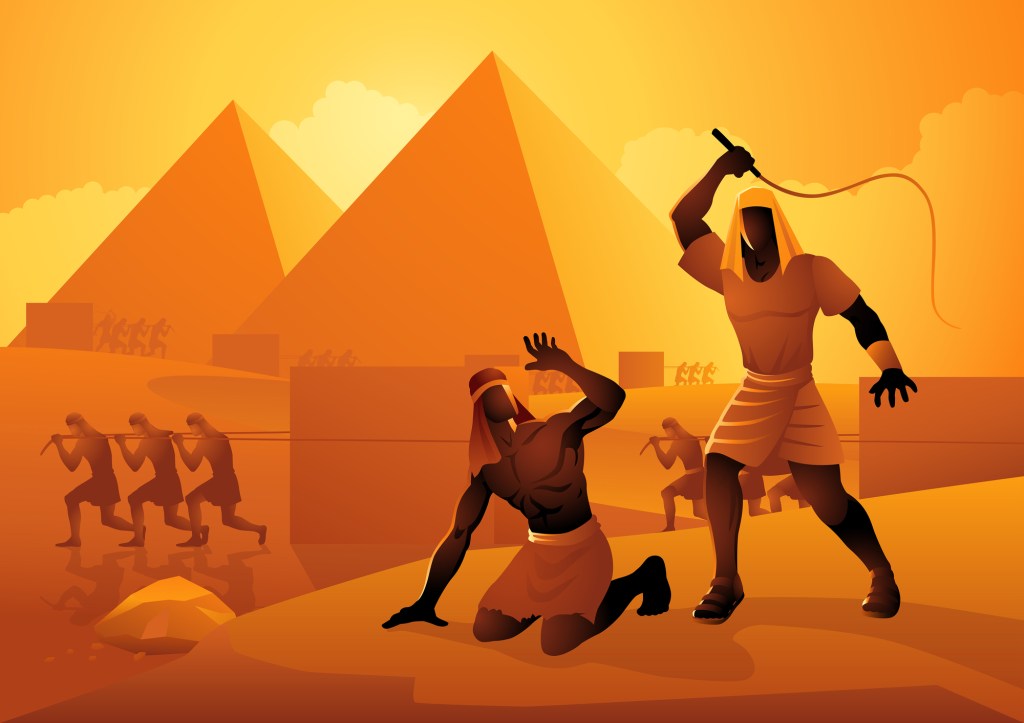
The Lord told Abraham that He was responding to the great outcry against Sodom & Gomorrah due to the grievousness of their sin. (Gen. 18:20) Such an outcry is the response of people when great injustice is done to them. The scene echoes the story of Cain and Abel when Abel’s blood was said to cry out from the ground in Genesis 4. The same word is used for Israel’s outcry under Egyptian oppression in Exodus 2.

God responds to injustice. God responds specifically to the outcries of people who bear the oppression of that injustice, and God judges those who are unrepentantly responsible for that injustice.

The story of Sodom & Gomorrah is a story of God’s judgment on sin, but it isn’t sexual sin that brings God’s judgment. The sin that prompted God to respond was the sin that caused people to cry out under the weight of injustice.

Jesus later confirms that the sin of Sodom & Gomorrah is inhospitality when he warns towns who do not welcome his followers, saying, “it will be more bearable for Sodom and Gomorrah on the day of judgment than for that town.” Jesus says this in Mathew 10 when he sent his 12 disciples to proclaim the kingdom of God, and Jesus says it again in Luke 10, when he sent out 72 of his followers to heal the sick and proclaim the kingdom.

The context of these statements was the hospitality (or lack of it) shown to his followers. There is no mention of sexual sin—only refusal to welcome, refusal to listen, refusal to be hospitable.

Ezekiel is very specific about the sin of Sodom & Gomorrah:

“This was the sin of your sister Sodom: pride, excess of food, prosperous ease—but she did not help the poor and needy.”

Pride. Comfort. Indifference. Not just lack of empathy, but downright cruelty to the poor and needy – the vulnerable. That is the Bible’s own summary of the sin of Sodom & Gomorrah.

The angels/foreigners in the story of Sodom & Gomorrah are just one category of vulnerable people. Elsewhere, Scripture often mentions widows, orphans, and foreigners together to describe the vulnerable people in the ancient near east who God desired His people to protect and watch over – because God’s heart is to protect and watch over the vulnerable and needy.

Yes, there is sexual sin in the story, but the root of that sin is hostility toward others. In the context of the story as it sits in the greater context of the previous story about Abraham’s radical hospitality, the sexual act is a weapon of the people of Sodom. They use it out of arrogance, out of desire to guard their own wealth and comfort from foreigners, to humiliate, shame, and drive out the foreigners who dared to encroach on on what they had. It is the final expression of a society that idolized comfort, wealth, and lifestyle. Because they didn’t love God, they didn’t love people.

Sodom wasn’t destroyed because it was too permissive. Sodom was destroyed because its people were too proud, too full, too comfortable, and too cruel in their efforts to protect what they had from outsiders.

God heard the cries of those crushed by that system—and He acted.

That’s what makes this story disturbingly relevant today. The sin of Sodom isn’t ancient or obscure. It shows up whenever a society values its own prosperity above allegiance to God and clings to its own comfort, despises the stranger, and silences the cries of the vulnerable to protect what it has.

And that should give Christians (and non-Christians alike) pause in 2025 in the United States of America. God is no respecter of persons. People reap what they sow. God did not spare the people of Israel from His judgment when they repeatedly gave in to idolatry (putting their own interests above God’s interest) and oppressed their neighbors. He will not spare a country or a even a group of believers who do that.

The good news is that God is always, always faithful. He is aways just to forgive those who ask to be forgiven and repent of their ways. I pray that we can be such people.


What Was the Sin of Sodom and Gomorrah?

A clue is that people cried out in distress

It is probably not exactly what you think


I have wanted to dig into the story of Sodom and Gomorrah for a while now, ever since someone suggested to me that the story isn’t what I think it is. Everyone knows the reference to Sodom and Gomorrah, right? God smote those villages with fire and brimstone because of homosexuality.

That’s what I was taught. At least, that is what I always believed, but I have learned there may be more to the story. The truth is right where we should expect to find it: in the Bible. If you are intrigued as I was, then read on.

First, let’s review the story in Genesis 13. Abram and Lot flourished, and their clans and flocks grew in size in the land God promised Abram. There was tension among their entourages, though, so they decided to separate and spread out. (Gen. 13:5-9)

“Lot looked around and saw that the whole plain of the Jordan toward Zoar was well watered, like the garden of the Lord, like the land of Egypt.” (Gen. 13:10) Lot, therefore, chose move to Sodom and Gomorrah in the plain of Jordon, while Abram remained in Canaan.

Although the land was like a well watered garden, “the people of Sodom were wicked and were sinning greatly against the Lord.” (Gen. 13:13) Thus, we shouldn’t be surprised when that sin catches up to the people of Sodom and Gomorrah.

Before we move on, though, we should acknowledge that Sodom and Gomorrah was a lush, fertile place. It was inhabited with “wicked” people, yet Lot moved there anyway because it was a desirable place to live. Perhaps, the allure of the things of this world and the temptation to associate with people who have accumulated wealth, position, and influence was great, in spite of any misgivings Lot may have had.


This may provide some explanation for why Lot’s wife looked back in defiance of the angel’s warning. She may have regretted leaving.


She may have wanted to return to the abundance and comfort that drew them there, and that desire to hold on to abundance and comfort may have been her undoing.

We should also understand the backstory in Genesis 18 before we get to the story of Sodom and Gomorrah in the next chapter. Before some angles visited Sodom, they visited Abram. Abram saw the three “angels of the Lord” from his tent. He went out to meet them, bowed in respect, and insisted they come to his tent to be refreshed. Abram and Sarai spared no expense to show them hospitality, and the angels returned the favor by affirming God’s promise to the elderly couple: promising that Sarai would bear a child within a year. (Gen. 18:1-15)

Before the angels left, the angels told Abram the reason they came: to investigate Sodom and Gomorrah because “the outcry against Sodom and Gomorrah [was] so great and their sin so grievous.” (Gen. 18:20) This “outcry” that reached the LORD is the first clue to what was going on there. (Gen. 18:21)

The Hebrew word that is translated “outcry” in this verse is za’aq. It mean a shriek, cry for help, cry of distress, lamentation. Thus, something was going on in Sodom and Gomorrah that was causing people to cry out in distress.

The word, outcry, in Genesis 18 should bring Exodus 2:23 to mind where God heard the Israelites cry out. In both cases, in Egypt and in Sodom & Gomorrah, God responds to an outcry of the people living there.

They same word, za’aq, is used in both passages. God responded to the Hebrews cry for deliverance by sending Moses, and God miraculously rescued them from the land of Egypt. In Genesis 18, God similarly responded to a cry for deliverance by sending His angels.

The parallel nature of these stories is important to recognize. The people cried out in distress, and God responded. Parallel stories and themes run throughout the Bible, and we should pay attention to the when they appear, because they usually mean something.


We know why the people cried out in Egypt – because Pharaoh enslaved and mistreated them. The Bible is relatively silent, however, on the circumstances in Sodom and Gomorrah.


If we pay close attention, though, we can find some clues!

In Genesis 19. Lot repeats the pattern of Abram’s hospitality: Lot saw two angels at the city gate, and he went out to meet them, like Abram did. Lot greeted them with respect the same way Abram did, and Lot insisted they come to his home where he prepared a feast for them, just as Abram did. (Gen. 19:1-3) These stories appear one after the other in the biblical narrative, and the parallel symmetry signals that we should pay attention.

Abram and Sarai, by the way, are known for generous hospitality. The generous hospitality of Abram is legendary in Jewish and even Muslim lore. Generous hospitality was a key distinctive of God’s man of faith.

Lot, who was Abram’s kin, demonstrated the same kind of generous hospitality, but the story takes a bad turn. Everything seems great until the men of Sodom surround Lot’s house and demand that Lot bring the angels out to them, “So that we can have sex with them.” (Gen. 19-4-5) When Lot refused, they turned on Lot, This is what they said:

“This fellow [Lot] came here as a foreigner, and now he wants to play the judge! We’ll treat you worse than them.”

genesis 19:9

Most of us, I think, assume the sin of Sodom was primarily sexual in nature. The story certainly seems to suggest that if we miss the clues to what was really going on. The symmetry of the parallel stories leading up to the story of Sodom and Gomorrah suggest that something else is going on. The people crying out in distress, like the Jews in Egypt is another clue, and what the townspeople say to Lot is still another clue.

The clues are in the context and more specifically in the contrast between the way Abram and Lot treated the foreigners/angels and the way the townspeople in Sodom & Gomorrah treat them. Abram and Lot go out of their way to greet the angels, bow to them in respect, make them feel welcome, and show them generous hospitality. The men of Sodom react the opposite way: they respond with hostility. They are angry that the foreigner in their midst (Lot) invited foreign guests into his home, and they they came to punish and humiliate those guests by violating them sexually.

I never noticed these clues in the text before. They cast a different light on the story. It seems that the story is less about men wanting to have sex with the foreigners than it is about brutish inhospitality.


This was a lynch mob. They came to run the foreign guests out of town and to demonstrate their extreme displeasure with Lot for inviting them in to his home. The men wanted to humiliate, violate, and punish Lot’s foreign guests in the worst possible way, and they wanted Lot to understand why: because Lot was a foreigner, and these men were foreigners, who were not welcome in their town.


As side note, I would not likely have noticed all this but for the book I am reading by James K. Hoffmeier, The Immigration Crisis: Immigrants, Aliens, and the Bible. He cites to the Sodom and Gomorrah story as an example of the way people in the Old Testament control their borders and their cities. (See also Judges 19-21 in which a similar scene plays out in Gibeah where the sons of Benjamin treat the Levites passing through in exactly the same way.)

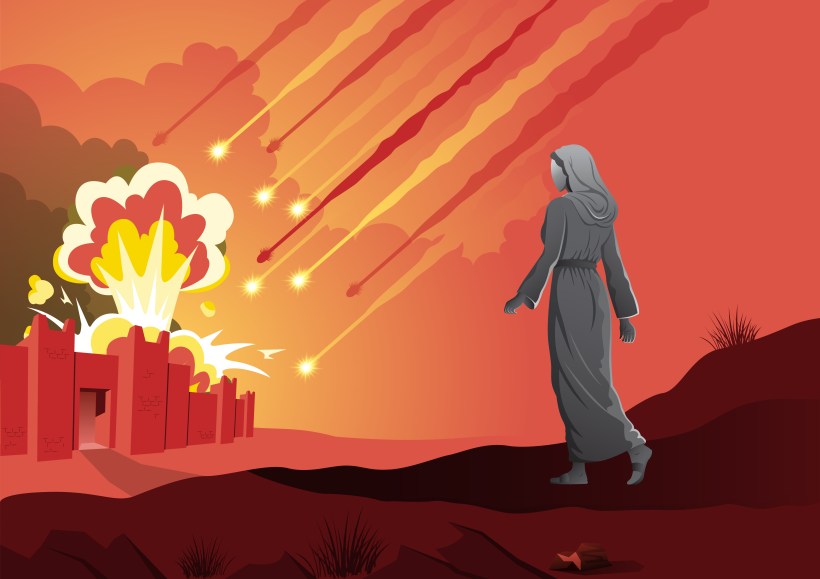
This was the last straw for God. The angels returned the favor Lot showed them by protecting him and his family and by warning them to get out of town quick. As soon as Lot and his family were out of town, “the Lord rained down burning sulfur on Sodom and Gomorrah….” and reduced it to smoke and ash (Gen. 19:10-28)

Aside from some other details that do not seem directly relevant at the moment, that is the story of Sodom & Gomorrah. Most of the references to Sodom & Gomorrah in the rest of the Bible are used as warnings without much commentary, except for three passages. These passages tell the rest of the story.

Continue reading “What Was the Sin of Sodom and Gomorrah?”