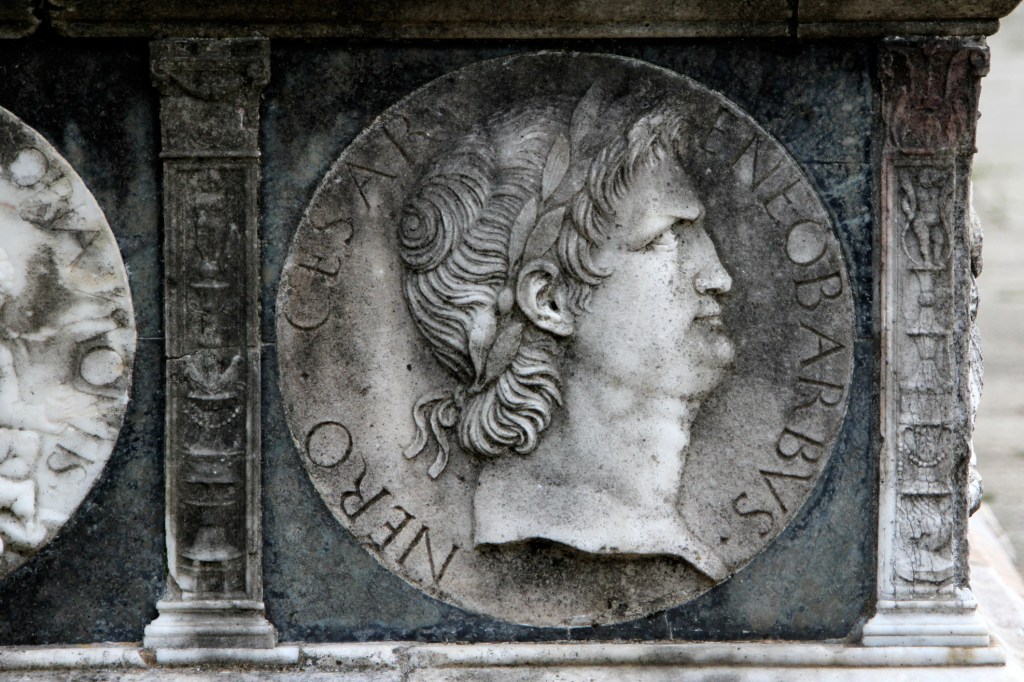
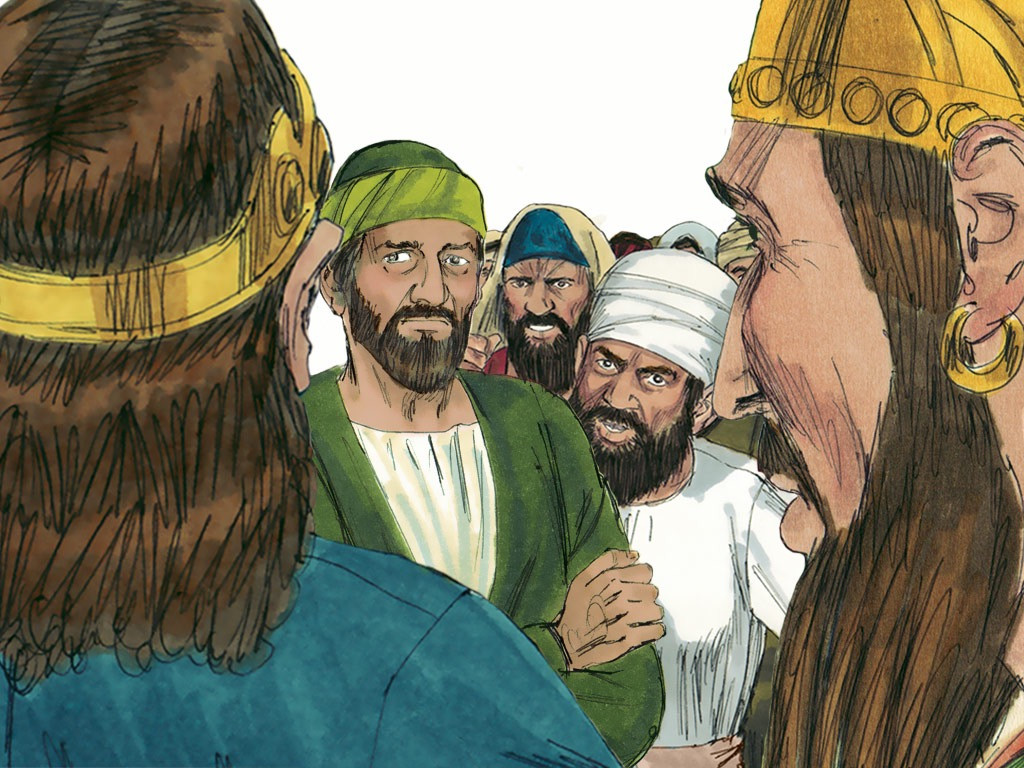
Bas-relief portraying the emperor Nero at the Certosa di Pavia
One of the most discussed texts in early Christian ethics is 1 Peter 2:13–17, because it calls believers to “submit… to every human institution” and to “honor the emperor,” even in times when those institutions were hostile or unjust. Peter, who penned this admonition, ultimately lost his life to an arbitrary, capricious, and unjust Roman Emperor.
“13 Submit yourselves for the Lord’s sake to every human authority: whether to the emperor, as the supreme authority, 14 or to governors, who are sent by him to punish those who do wrong and to commend those who do right. 15 For it is God’s will that by doing good you should silence the ignorant talk of foolish people. 16 Live as free people, but do not use your freedom as a cover-up for evil; live as God’s slaves. 17 Show proper respect to everyone, love the family of believers, fear God, honor the emperor.”
1 Peter 2:13–17
Paul, who lost his life to the same Roman Emporer, says similarly,
“Let everyone be subject to the governing authorities, for there is no authority except that which God has established. The authorities that exist have been established by God. 2 Consequently, whoever rebels against the authority is rebelling against what God has instituted, and those who do so will bring judgment on themselves.”
Romans 13:1-2
These two passages speak to the way Christians should honor and submit to earthly authorities. They have posed challenges to Christians from the time there were written. In Peter’s and Paul’s time, Nero was the Roman Emperor. Nero was a brutal, harsh, paranoid ruler who had his own wife and children killed to protect himself and to advance his own ends. Peter and Paul were both martyred by his decree.
The great American story is a far cry from the brutality and caprice of Roman history, but we have lived through our own unjust laws, including laws that protected the institution of slavery and the laws that perpetuated Jim Crow after slavery was finally prohibited. In more recent times, American have laws protected the practice of abortion, and we could find other examples of unjust laws and laws that protect unjust practices if we dig deeper.
I doubt I am exaggerating to say that no nation governed by men has ever been perfectly just, and I doubt no nation of men will ever be perfectly just. How then should Christians in any age govern themselves in light of Peter’s and Paul’s admonitions to honor and submit to governing authorities, including unjust ones?
I previously tried to parse these tensions when I published How Should the Church Act Regarding Authority? the day after January 6th, when supporters of Donald Trump, including many people flying banners of Christian faith, stormed the Capitol building in response to what they thought were unjust election results. At that time, I was critiquing the “insurrection” against the election and inauguration of President Biden. Even if the election results were unjust, shouldn’t Christian have submitted to them?
Now, I find myself critiquing the Trump Administration’s unjust enforcement of immigration laws. Some of the people who defended Trump’s complicity with the January 6th insurrection are now defending the current immigration enforcement practices based on the biblical mandate to honor and submit to authority. It seems to be a tangled mess!
We should obviously be consistent, and not selective, about the law and order we submit to, but how we should live that out in the face of injustice may not seem crystal clear. It’s important, though, that we do the work to rightly divide the Word of God
I went to bed last night concerned I was getting things wrong. Specifically, I have been critical of Donald Trump and what he has done since he took office again, and I have been getting push back from many people. It isn’t the many people that concerns me, but my brothers and sisters in Christ who are calling me out on this.
It seems so obvious to me that the things being done are wrong, and the way they are being done is wrong, but other Christians are not seeing it. I prayed to God last night, “If I am wrong, please correct me.”
This morning my daily reading included this verse:
“I am sending you out like sheep among wolves. Therefore be as shrewd as snakes and as innocent as doves.” Matthew 10:16
I was doubting myself last night, so my first thought was to check the context, even though I know it. Sure enough, it was what I remembered:
“These twelve Jesus sent out with the following instructions: ‘Do not go among the Gentiles or enter any town of the Samaritans. Go rather to the lost sheep of Israel. ‘” Matthew 10:5-6
I have read this passage dozens of times, probably, since I became a Christian over 40 years, but I didn’t realize the context of the sheep among wolves statement made by Jesus until the last year. When I read that passage recently, I said to myself, “Wait a minute! Jesus said that to his disciples when he sent them out to his own people – the Jews.” What!?
He said, don’t go to the Gentiles, and don’t even go to the Samaritans; go “the lost sheep of Israel.” He would later send them to the Samaritans; and he ultimately sent his followers to Judea, to Samaria, and to the ends of the earth.
Of course, he sent them to the lost of sheep of Israel. Maybe not all the people of Israel were lost sheep. Maybe the wolves were only among the lost sheep of Israel.
Surely, the people in the church today are not the lost sheep. The church is filled with the elect. The church is filled with sheep who hear the shepherd’s voice. I believe that is true!
At the same time, I think it is safe to say that not everyone who goes to church is a child of God. The old adage that parking yourself in a garage does make you an automobile is true. Jesus said it this way: “The kingdom of heaven is like a man who sowed good seed in his field. But while everyone was sleeping, his enemy came and sowed weeds among the wheat….” (Matthew 13:24-25)
I am sobered by this. I don’t think that Jesus was saying that all God’s people at that time were wolves. Maybe the wolves weren’t even people. Sometimes, we can take a metaphor too far. He was telling them to be careful, to be circumspect, to remember what he taught them, and not to be lead astray – even among God’s people. We may be sometimes fooled into listening to the voices of wolves, rather than the voice of the Good Shepherd.
This is the story of God and His people. God sent His prophets to His people again and again, and they did not listen. (Jeremiah 26:5) When God commissioned Isaiah, He told Isaiah that the people would hear, but not understand, and they would see, but they would not perceive, and this would continue until the land was in ruins and only a remnant remained. (Isaiah 6:1-13)
Of course, I am not the Prophet, Isaiah. I am a sinful man saved by the grace of a loving God. I have my own faults and biases and sinful tendencies, and I could be wrong. I am acutely aware of this.
Jesus was entered Jerusalem on the colt of a donkey around the time Pontius Pilate entered Jerusalem from the opposite direction, from Caesarea. Picture the incongruity of a full grown man sitting on a colt of a donkey with his legs dragging the ground under the poor little beast. Then picture the Roman ruler of the land came from the opposite direction in a mighty procession with banners and fanfare and a show of force with all the military show of Communist China.
Jesus was coming to die on a cross, but the people greeted him like he was a king who would ascend the throne of David and overthrow the Roman government. They shouted, “Hosanna!” (Save us!) They waived palm branches to herald the Messiah they believed would save them from the Romans like a hammer, and they laid their garments down in submission.
The people didn’t understand that Jesus came to die on a cross. The poignancy of this incongruence is understood best by how the story in Luke ends:
“As he approached Jerusalem and saw the city, he wept over it and said, ‘If you, even you, had only known on this day what would bring you peace—but now it is hidden from your eyes. The days will come upon you when your enemies will build an embankment against you and encircle you and hem you in on every side.They will dash you to the ground, you and the children within your walls. They will not leave one stone on another, because you did not recognize the time of God’s coming to you.'”
Luke 19:41-44
Those people would have said they did recognize the time of God’s coming, right?! They got it right: he was the Messiah! They recognized that Jesus was God’s Messiah promised of old.
In that general sense, they did get it right. Jesus was/is the Messiah, but their expectations of what that meant and what he would do was wrong. They thought he came to conquer, but he came to die.
By the end of that week, the people who waived palm branches and laid their garments down had changed their tune. They wanted Barabbas released, not Jesus.
As discussed in the conversation linked below in the video, they wanted the way of Barabbas – the sword – not the way of Jesus, the cross. They didn’t want a suffering Messiah; they wanted a conquering Messiah. They didn’t want the Lamb of God; they wanted the Lion of Judah.
We aren’t much different than they. For all of our Bibles and bible apps, we don’t even know Scripture as well as they did! Lifeway Research reports that only 36% of Evangelicals read the Bible every day, and only 32% of Protestant, read the Bible every day.
We have our own expectations of the way God should do things, and we tend to lean back into what someone recently called the default stance of the flesh – the appeal of power and influence. But, that isn’t God’s way. Jesus showed us God’s way, and he invites us to follow his way as he followed the Father’s way in this present world.
Paul reminds us,
“But God chose the foolish things of the world to shame the wise; God chose the weak things of the world to shame the strong. God chose the lowly things of this world and the despised things—and the things that are not—to nullify the things that are….”
1 Corinthians 1:27-28
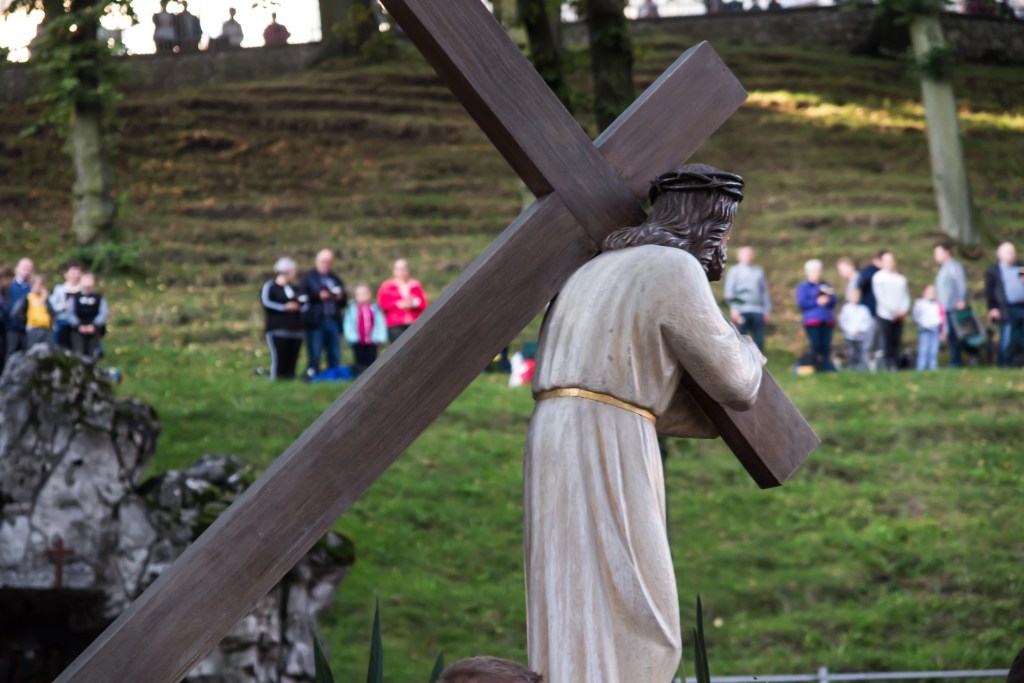
We need to be careful not to be hearers who don’t understand and seers who don’t perceive. We need to be careful to choose God’s way, which is not our way. We need to carry our crosses and not swords.
Does any of this make me “right”? No. But, I am seeking God. I am trying to be true, to know Him, and to be like Him. That is my heart’s desire. I am trying to recognize and honor God in these times and to reflect His heart and character as best as I can understand it.
The lesson of the words of Jesus to be careful of the wolves among the sheep, the lesson of the prophets, and Paul’s reminder that God shames the wise and the strong by choosing what seems to be foolishness and weakness means that I need to resist the default position of the flesh (to rely on power and influence). I need to be grounded in God’s Word and not everything that anyone who is a Christian says. I need to be aware that weeds grow among the wheat and wolfish things appear among the sheep.
Though every man be a liar, yet God is true! (Romans 3:4) The heart of a man is deceitful above all things. (Jeremiah 17:9) This is true of me and my heart if I am not careful and do no guard it. We need each other, and we need to hold each other accountable, not to political ideologies and cultural ways, but to the Word of God and the way of Jesus.
“When the prophet of the Lord arrived, King Ahab asked him, ‘Micaiah, shall we go to war against Ramoth Gilead, or not?’” (1 Kings 22:16)
I continue to process the events of the last year, and my reading through Scripture will sometimes call those things to mind. One of those ongoing events involved former President Trump and all the evangelical support he received regardless of whatever he said or did.
There were evangelicals who defended every word and action. Their support was unwavering, and prophets even prophesied that he would be reelected.
Obviously, they were wrong.
Let me say that again. They were wrong. If God spoke to them and said Trump would be re-elected, he would have won, regardless of any voter fraud.
Regardless of the circumstances in the world. God is sovereign. He knows those things. If God actually moved in those prophets to foretell the future, it would have come to pass. They were wrong! God didn’t prompt those prophecies.
More importantly, I want to focus on the evangelical support of Donald Trump. The unwavering support and relentless defense of Donald Trump troubled me greatly from before he was elected in 2016. I wrote often about it. The prophecies that he would be reelected troubled me even more.
They didn’t trouble me because of the thought that Trump might be reelected. Whatever God will do, He will do. If God wanted Donald Trump to be President for another four years, so be it. God establishes authorities. (Rom. 13:1)
The prophecies troubled me because Paul says we should not despise prophecy. (1 Thessalonians 5:20) We should, therefore, not take prophecy lightly. In that vein, I was troubled that I could be dead wrong about my assessment of Donald Trump and of what God is/was doing in our time.
I wrote about the Sons of Issachar who “understood the times” in an attempt to think, pray and write through it. The people who were saying that Donald Trump would be elected were claiming to be like the Sons of Issachar. They claimed to know what God was doing in our times, and they were one hundred percent behind Donald Trump who they claimed was God’s man for this time.
I was personally concerned that I had it all wrong. I am not a prophet, and I don’t claim to be one, though I feel sometimes that I have a prophetic bent in me (whatever that really means). I would not, however, and do not call myself a prophet.
I don’t predict things.
Not that predicting things is all the prophetic gift is about. I don’t think it is. I think the prophetic gift is about speaking the mind of God. It may include speaking the mind of God in a particular moment, to a particular person or people, or not. It may include speaking God’s mind and heart generally.
I believe people who preach can be prophetic in their preaching. There are teachers, and then there prophetic preachers.
Prophecy may (at times) be predictive, but I think it is more about speaking God’s mind and heart than the ability to predict things. For whatever reason, though, people are really interested in predicting things and knowing the future. In fact, we seem to be obsessed with it.
This isn’t anything new. The disciples asked Jesus many times about when the end would come. Jesus said it wasn’t for them to know the day or time. Still, they pressed him.
Throughout history are examples of people claiming to know the end times. Though, many people have predicted days and times, they have all been wrong.
Of course, someone someday might be right, so people continue to try….
Not that I think we should. Jesus said we wouldn’t know. I take him at his word.
We see this same kind of preoccupation with wanting to know the future in the Old Testament. I recently read the story of Israel’s King Ahab and Judah’s King Jehoshaphat coming together to attack the City of Ramoth Gilead that once belonged to Israel. This story has something to say to us today on the subject of prophecy, and it’s the backdrop for what I have on my mind today.
I am catching up on my Scripture reading after a 9-day vacation in the north woods where my reading was sporadic. I am reading through the Bible chronologically. I am in Isaiah and Hosea as the prophets begin to address the coming doom for Israel and Judah who have continuously wandered in their faithlessness to God since they left Egypt.
Their’s is a spotted history, marked more by failure than success. The began grumbling and complaining soon after God led them miraculously out of Egypt. They made an idol of a golden calf even as Moses was meeting God on the mountain to receive God’s covenant. They failed to drive all the wicked people out of the promised land as God instructed, and they were influenced by them all the days they inhabited that land.
They set up idols in the high places where they offered sacrifices to the foreign gods despite all the efforts of God to establish a people for Himself to whom He could pour out His blessings and, through them, bless all the nations of the earth (such was His promise to Abraham). The cycle of sin and straying from relationship with God was growing ever worse as God raised up prophets to warn them.
The promised land, filled with milk and honey and all good things as it was, afforded the people wealth and comfort. In their abundance, they wandered further still from God.
“Israel is a luxuriant vine that yields its fruit. The more his fruit increased, the more altars he built; as his country improved, he improved his pillars.” (Hosea 10:1)
Those altars were the structures on which they offered sacrifices to foreign gods – idols. The practice of sacrificing on altars seems strange to us today. We don’t make golden calves or build altars to gods. We aren’t like them. Right?
The NPR headline reads – Survey: White Evangelicals See Trump As ‘Honest’ And ‘Morally Upstanding’. The tenor of the article runs counter to what the polled “white evangelicals” espouse. Some of the comments on social media reflect the same sentiment: “Nothing new to me as they are all my racist, homophobic relatives”; and “Scary”.
I am reading through the Old Testament in 2020 in chronological order this year, and I am currently slogging through Kings and Chronicles. It’s a tough go, and especially tougher as I think about the current political and religious landscape in the United States. It’s hard to know where religion ends and politics begins.
The depressing thing about Kings and Chronicles is how far the people of God go off the ranch. Starting with King David, the man after God’s heart, it’s a steady downward spiral with a few brief interludes of an effort to rid the kingdoms of idols, injustice, and immorality.
I say kingdoms (plural) because the people began to polarize under King Solomon, and they formed two kingdoms immediately after he died: Israel and Judah. They spent much of their time after that and before the Babylonian captivity fighting and killing each other!
Let me just say this before I go further: the United States is NOT a nation of God’s people like Israel (and Judah) was. Yes, we have been blessed by God. Our “founding fathers” honored God (more or less) and used some biblical principals (among other things) on which to form the Constitution and laws by which we are governed. BUT, the USA is not God’s chosen people like Israel (or Judah) was.
We shouldn’t flatter ourselves that way. The Roman Empire became a Christian nation, too, after Constantine. England, and France, and most of the European countries were Christian nations at one time – even more than the US is today because religion and state were combined. Church and State were married together in governance through the Middle Ages (though it didn’t stop them from warring with each other either).
There is only one people to whom God chose to reveal Himself and to enter into covenant relationship for the purpose of blessing all nations. He did this to set the stage for His own humble entry into history and eventual sacrifice for our sins. Those chosen people aren’t us.
God already accomplished His purpose for which He chose those people. Now He is on to the blessing of the nations part – the redemption of the world through all who follow Him.
We can say with biblical confidence that God ordained Donald Trump as President (Romans 13:1), but for what purpose? Certainly God is working out His purpose, but it may not be what people think.
God gave Israel King Saul when they demanded a king, but their demand for a king was a rejection of God. Is Trump the king wewanted? Not that God is thrown off by those things. He works His purpose regardless of the vagaries and ambivalence of His people.
I am not concerned about God accomplishing His purposes. He will! But what about the church in America? Where do we stand in all of this?







 Navigating by Faith