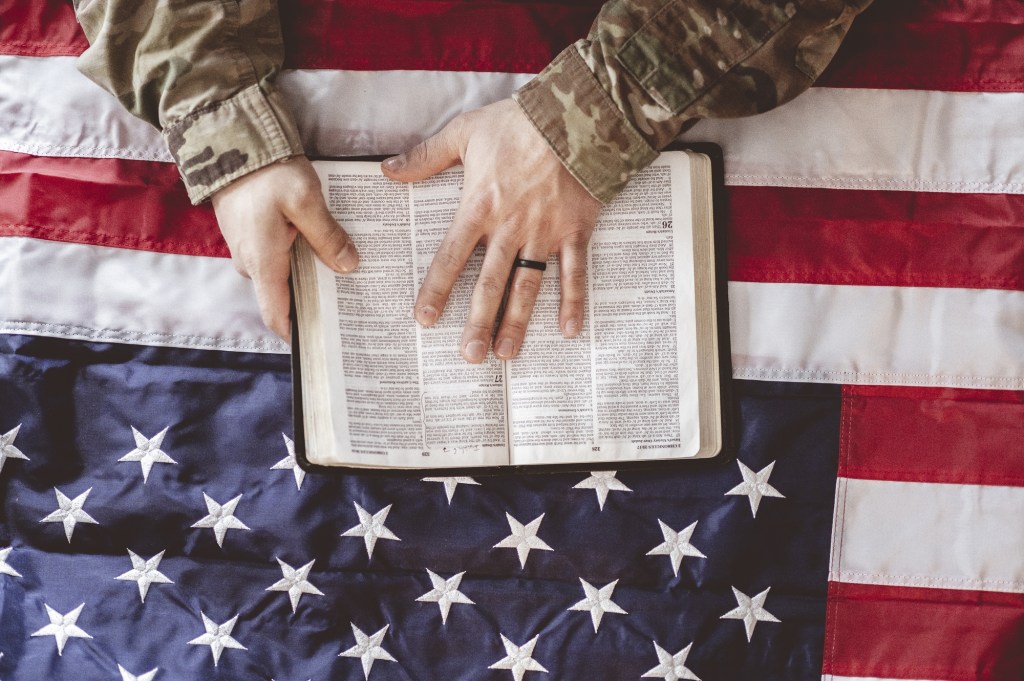
What Is the Place of Christians in the World?

“By faith [Abraham] made his home in the promised land like a stranger in a foreign country; he lived in tents, as did Isaac and Jacob, who were heirs with him of the same promise.”

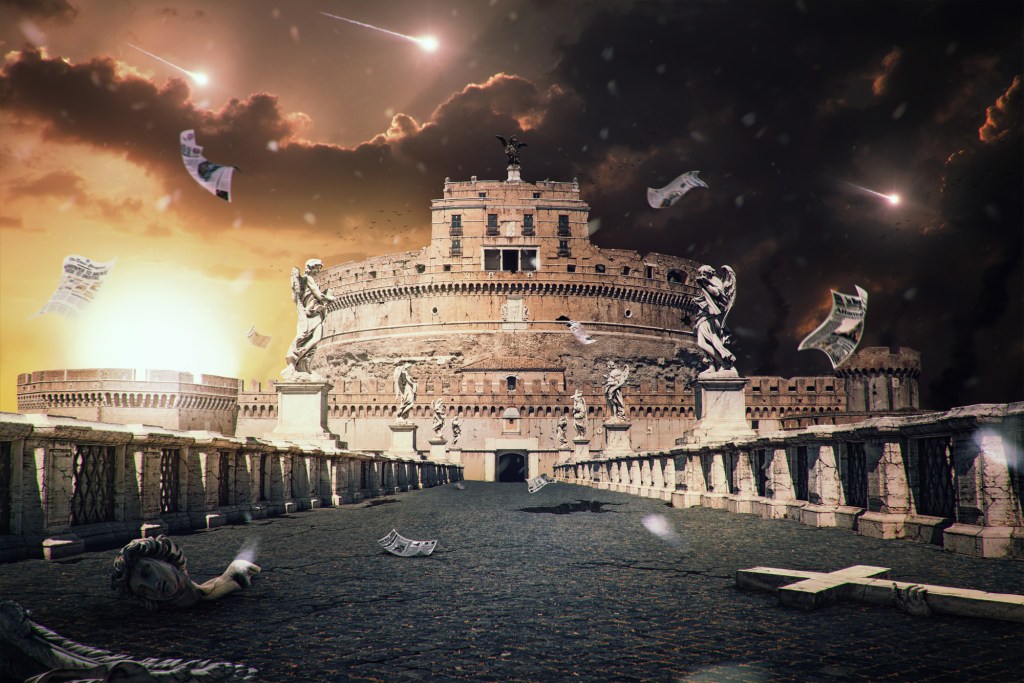
Apocaliptical scene to the Rome cityscape matte painting

I go back from time to time to the early “church fathers” for perspective. Most recently, I have focused on what we call The Epistle of Mathetes to Diognetus (the “Letter”). Even when translated from the Greek language in which it was written, the words and thoughts ring foreign to our American ears.

As I read this early Letter, I am impressed that Christians in the 21st Century have much to learn from 2nd Century Christians. They lived into the message of Jesus in ways that we seem to have long since forgotten

We don’t know who the author was. The Greek word, “mathetes“, merely means “student”. The person or ruling family to which the letter was written is also uncertain. We only know it was written in the early to mid 2nd Century.

The Church had grown slowly but steadily into the 2nd Century. Persecution ebbed and flowed around those early Christians, but they were more generally ignored and almost universally despised. In many ways, Christians were a complete oddity. They didn’t fit into the pagan (Greco/Roman) culture or the Jewish culture.

Christianity was centered in Jerusalem until the Roman war against the Jews and the destruction of the Temple in 70 AD. Christians scattered at that point, though Jerusalem remained one of many hubs of Christian life. The 2nd Century was a time of decentralization and spreading out throughout the Roman Empire and beyond – into areas of Africa and Asia, some of which were controlled by the Roman Empire, and some not.

According to the Letter, Christians were not physically, culturally, or linguistically distinguishable from the people in the many places in which they lived. They were distinguishable in other ways:

“But, inhabiting Greek as well as barbarian cities, according as the lot of each of them has determined, and following the customs of the natives in respect to clothing, food, and the rest of their ordinary conduct, they display to us their wonderful and confessedly striking method of life. They dwell in their own countries, but simply as sojourners. As citizens, they share in all things with others, and yet endure all things as if foreigners. Every foreign land is to them as their native country, and every land of their birth as a land of strangers.”

The Epistle of Mathetes to Diognetus
chapter 5

The most distinguishing feature of those Christians, according to the author of the Letter, was their “striking method of life”: they lived as strangers in their own countries. Though they were citizens in those countries, they “endure all things as if foreigners”.

We might be tempted to think that the “uprootedness” of early Christians was merely a product of rejection and persecution by non-Christians, but the Apostle Peter suggests otherwise: Christians are a “royal priesthood” and a “holy nation” who live as “foreigners and exiles” in this world. (1 Peter 2:9,11) This echoes the writer of Hebrews, who described all great people of faith as “foreigners and strangers on earth”. (Hebrews 11:13)

These passages in the New Testament epistles highlight a fundamental trait of Christians in the world at that time. But not just at that time; Jesus spoke to all his followers (including us) when he said, “[Y]ou are not of the world” (John 15:19), and, “My kingdom is not of this world.” (John 18:36)

How strange are these words and concepts to modern Americans! From the earliest days of our youth, we are taught about our freedoms and rights as American citizens. In contrast, 1st and 2nd Century Christians enjoyed some rights as citizens of the various countries in which they lived (maybe not as robust as the rights we enjoy), but they lived as if they had none. And, this was their “distinguishing “striking” feature as a people! It is what made them stand out.

They marry, as do all [others]; they beget children; but they do not destroy their offspring. They have a common table, but not a common bed. They are in the flesh, but they do not live after the flesh. 2 Corinthians 10:3 They pass their days on earth, but they are citizens of heaven.

the Epistle of Mathetes to Diognetus
chapter 5

Second Century Christians lived as if they were really not of this world. And, this “feature “striking method” of living was noticeable. They adapted and fit into their surroundings and culture wherever they lived, except for this one thing: they lived like they were not citizens of the countries in which they lived – even if they were actually citizens.

They were outsiders wherever they lived because they lived like citizens of heaven. They fit in wherever they went, but they stood out by their allegiance to loving God and loving others. How strange and foreign that may seem to us!

Continue reading “What Is the Place of Christians in the World?”

The Bible, Christ and Culture: Biblical Critical Theory as a Framework for Critiquing Culture

Letting the Bible frame and critique culture requires us to be aware of our cultural milieu


I am listening to a discussion of a new book by Christopher Watkin, Biblical Critical Theory: How the Bible’s Unfolding Story Makes Sense of Modern Life and Culture, dealing with culture on the Truth over Tribe podcast. Watkin’s premise for the book is that we should use the Bible to frame our critique of culture, but the reality often is that we frame and interpret the Bible through our cultural lens.

As an aside, I love the title of the book. “Critical theory” is part of our modern cultural vocabulary and milieu. Though many Christians recoil from the invocation of that term, it is the language of our times Watkins uses it to capture the attention, and he uses it as a springboard to take us back to the Bible, which I think is brilliant.


The discussion on the podcast focuses on the definition and meaning of culture, starting with the reality that culture pervades most of our lives and our thinking. Watkin notes that we see God working in and through cultural environments in the Bible, yet the thrust and message of Scripture is multicultural (and countercultural).

What appears to be exclusive is revealed to be inclusive. God works in the cultural milieu, but the message is not bound by it nor bound to it.

A multicultural theme is baked right into the fabric of Scripture, including the influence of three different languages that make up the biblical writings. This theme is borne out by the glimpse God gave John of the end of the Story. If we lift our eyes to see the horizon for all Christians off in the distance, this is what we see:

I looked, and there before me was a great multitude that no one could count, from every nation, tribe, people and language, standing before the throne and before the Lamb. They were wearing white robes and were holding palm branches in their hands.

Revelations 7:9

Our destination, the mansion with many rooms that Jesus spoke about, is filled with multicultural people worshipping God from every nation tribe and tongue crying out in unison, “Holy, Holy, Holy is the lamb!” From this we see that God does not negate culture or ethnic differences. (He confused our languages and scattered us after all.)

But, we also have to recognize that the trajectory of Scripture and God’s plan revealed in Scripture brings us to unity in Christ. Jesus broke down the walls of division (Eph. 2:14), and the thing that unites us is Jesus.

Watkin cautions that Scripture is not entombed in culture, but it takes root in culture. It spreads out to all cultures: Jesus told the disciples to spread the message in Jerusalem, Judea, Samaria, and to the ends of the earth. Thus, the Gospel speaks to all cultures, calls people out of all cultures, and provides the promise of redemption to all cultures.

Indeed, Christianity began as a near, middle eastern movement which spread into the Roman Empire: north, south, east, and west. It spread into the culture of northern Africa and southern, central, and northern Europe, It spread to Asia minor and further east. This spread happened extremely quickly, within a generation of the death of Jesus, and it continues to spread today. The center of Christian growth today is predominantly in the southern Hemisphere.

The roots of Christianity go back to Abram, whose family heritage and land was rooted in the area known today as Iraq. Abram traveled west to Asia Minor, and then south into the Levant at God’s calling and this promise:

“I will make you into a great nation,
    and I will bless you;
I will make your name great,
    and you will be a blessing.
I will bless those who bless you,
    and whoever curses you I will curse;
and all peoples on earth
    will be blessed through you
.”

Genesis 12:2-3

The emphasis added is mine. From the beginning, God called Abraham to be a blessing to all peoples on the earth! Paul picked up on this theme when he said:

Understand, then, that those who have faith are children of Abraham. Scripture foresaw that God would justify the Gentiles by faith, and announced the gospel in advance to Abraham: “All nations will be blessed through you.” So those who rely on faith are blessed along with Abraham, the man of faith.

Galatians 3:7-9

and

 So in Christ Jesus you are all children of God through faith, for all of you who were baptized into Christ have clothed yourselves with Christ . There is neither Jew nor Gentile, neither slave nor free, nor is there male and female, for you are all one in Christ Jesus. If you belong to Christ, then you are Abraham’s seed, and heirs according to the promise.

galatians 3:26-29

Jesus is the seed (descendant) of Abraham through whom this promise is spread to all peoples of the earth. The center of Christianity began in the Middle East, but it quickly found cultural centers in northern Africa, Asia Minor, and southern and eastern Europe. For much of the history of the church, Europe became the center of western Christianity, but Christianity flourished in in all parts of the world.

Christianity and its roots grew up embedded in culture. Christianity was born at the crossroads of culture where east, west, north, and south met with overlays of Hebrew, Babylonian, Persian, Greek, Roman, and Egyptian influences (to identify the major ones). Thus, culture is part of the story

Watkin cautions, though, that people who are immersed in their own culture don’t realize how influenced they are by it. Like a fish in water compared to a bird in the air, we don’t recognize how different our cultural environment is compared to people in other cultural environments.


This is the challenge for us today, just as it was a challenge for all generations, in all times, and in all places before us. We need to be absorbed in Scripture and allow the Holy Spirit to critique and frame our culture through Scripture, and not the other way around.

Continue reading “The Bible, Christ and Culture: Biblical Critical Theory as a Framework for Critiquing Culture”

The Surprising Significance of Being Made in God’s Image

The ultimate significance of human beings being made in God’s image is that we are to love (value) our neighbors and even our enemies.

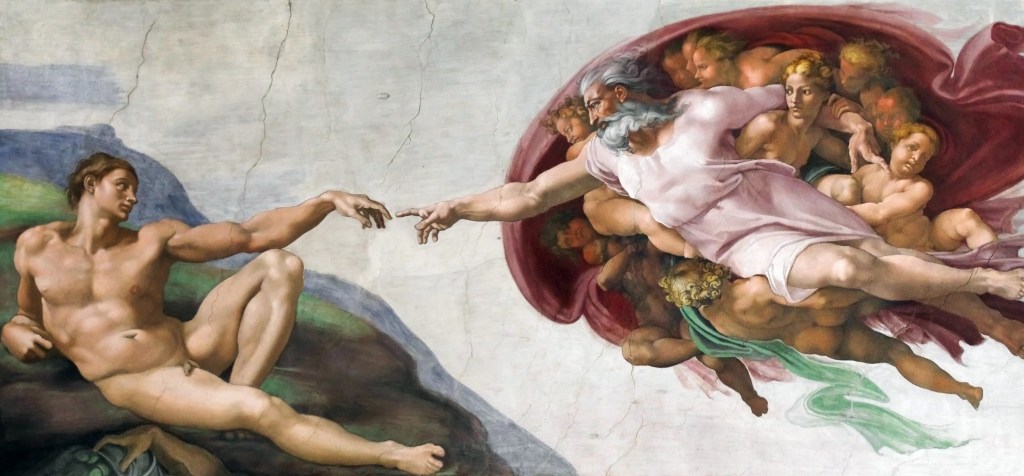
ROME, ITALY – MARCH 08: Michelangelo’s masterpiece: The Creation of Adam in Sistine Chapel

What does it mean that human beings are made in God’s image? What does it mean that God commands us not to take His name in vain? New answers to these interrelated themes might surprise you.

Carmen Imes wrote a book called Bearing God’s Name that explains for common folk like me the conclusions she developed in her doctoral dissertation. She just published a new book called Being God’s Image, a kind of prequel to the first book. I recently listened to her talk about these things with Skye Jathani on the Holy Post podcast that inspires my writing today. (The conversation starts at 54:20 if you want to hear it from her mouth.)

The commandment not to take God’s name in vain is where the conversation started, but being made in God’s image is actually the prequel to that “story”, and the significance of bearing God’s name (in contrast to being God’s image) is central to the story.

I am going to start with the backstory (in the beginning), what it means to be made in God’s image, and what it means to bear God’s name before opening a new understanding of the commandment not to take God’s name in vain, according to Carmen Imes.

Imes says that some theories entertained by the church misperceive the significance of the revelation in Genesis to people in that culture filled with false idols. They miss the mark and fall short of the reality that is expressed in Genesis.

Imes says, “The majority of the views out there through the centuries attached the image of God to some human capacity or function. That view makes the image of God something we do or are qualified to do by having a certain capacity.”

Rationality is ascribed by some to being made in the image of God. The reasoning is that we are intellectually superior to animals; therefore, rationality is what it means to be made in the image of God.

Others have ascribed being made in the image of God to our social and political ability to govern ourselves. Still others believe our morality and conscience are what distinguish us from the animals as being made in God’s image.

These things certainly distinguish human beings from other creatures created by God, but Imes says these human capacities, true as they are, do not accurately convey what the biblical text actually says. Imes says that applying the differences between humans and the animals to the text is just “theological speculation” (eisegesis – imposing our own thinking on the text).

This view of what what it means to be made in the image of God is not true to the biblical text, and it is not justified by the text. Exegesis of the text (pulling the meaning from the text, and not from our conceptions applied to the text) reveals a different view for what it means to be made in God’s image.

Imes goes back to the source material (Genesis) to rediscover a meaning that is truer to what the text actually says. She also reads the text in light of its context, the Ancient Near culture, to determine more precisely what it means that human beings are made in the image of God.

The backstory begins in Genesis 1:27:

God created mankind in his own image,
    in the image of God he created them;
    male and female he created them.

The Hebrew word translated “image” in this passage is tselem, meaning literally an image. Strong’s Concordance describes the word further as “a phantom, i.e. (figuratively) illusion, resemblance; hence, a representative figure, especially an idol — image, vain shew”. (See BibleHub)

We resemble or are representative of God, though (perhaps) we are not (yet) true (100%) representations of God. Given the Hebrew meaning of the word, tselem (with overtones of “phantomlikeness” and resemblance – implying something less than the real thing), perhaps we are merely phantom resemblances at this time.

I would note that we may only have the potentiality of being truly like God. In the New Testament, we find that we must be born again to become God’s progeny, His children, his ambassadors (representatives) and to be found “in” Christ, who is the exact representation of God in the flesh (not merely a resemblance).

Perhaps, we only have the potentiality to be truly like God, but that doesn’t discount the fact that we are created in His image – as Adam and Eve were created in His image – as we are. This understanding sheds new light, perhaps, on the first commandment: “Thou shalt have no other gods before me”; and it sheds new light on the second commandment: “Thou shalt not make unto thee any graven image.”

I am going beyond, now, what Carmen Imes says in the conversation, though I think it follows from her observations. I will also get to the surprising nuance she finds in reading Genesis 1:26-27* for what it says in the context of the Ancient Near Eastern culture.

Continue reading “The Surprising Significance of Being Made in God’s Image”

A Strategy for Reversing the Decline of Faith in the United States?

Over two-thirds of today’s immigrants to the United States are Christians

Statue at the Recoleta cemetery in Buenos Aires, Argentina

I read an article posted by the Free Press, A Church Grows in Brooklyn. The article draws a line between immigrants working jobs Americans don’t want and immigrants upholding faith traditions that Americans are abandoning. the author says:

“Over two-thirds of today’s immigrants to the United States are Christians, and prominent religious scholars forecast that immigrants will single-handedly reverse Christianity’s decline in America.”

Yet, a large segment of “the American church” monolith seems to be completely disconnected from this reality. Many American Christians are proudly “anti-immigration”. They will say they are in favor of “legal” immigration, but they would turn away hundreds of thousands of refugees and “illegals” – as if grace played no part in the salvation of immigrants.

If the American Church is positioned against generous immigration, we have not only forgotten our American heritage (“give me your huddled masses”); we have forgotten our spiritual roots:

“And you are to love those who are foreigners, for you yourselves were foreigners in Egypt.” (Deut. 10:19)

“‘Cursed is anyone who withholds justice from the foreigner, the fatherless or the widow.’” (Deut. 27:19)

“The alien who resides with you shall be to you as the citizen among you; you shall love the alien as yourself, for you were aliens in the land of Egypt: I am the Lord your God.” (Lev. 19:34)

“You shall not oppress a stranger, since you yourselves know the feelings of a stranger, for you also were strangers in the land of Egypt.” Ex. 23:9)

“For if you truly amend your ways and your doings, if you truly act justly one with another, if you do not oppress the alien, the orphan, and the widow, or shed innocent blood in this place, and if you do not go after other gods to your own hurt, then I will dwell with you in this place, in the land that I gave of old to your ancestors forever and ever.” (Jer. 7:5-7)

“You shall allot it as an inheritance for yourselves and for the aliens who reside among you and have begotten children among you. They shall be to you as citizens of Israel; with you they shall be allotted an inheritance among the tribes of Israel.” (Ezek. 47:22)

“Thus says the Lord of hosts: Render true judgments, show kindness and mercy to one another; do not oppress the widow, the orphan, the alien, or the poor….” (Zech. 7:9-10)

“’Then I will draw near to you for judgment; and I will be a swift witness against … those who turn aside the alien and do not fear Me,’ says the Lord of hosts.” (Mal. 3:5)

These are just a few of the verses that weave like a rich gold thread through the tapestry of Scripture. This thread began with the first step Adam and Eve took out of the Garden of Eden – banished from their home with God and doomed to walk the earth as aliens and strangers. The entire sweep of the Bible is about God’s plan to bring them home – to welcome the stranger back.

When we are home in this world, we are absent from God. when we become born again, we are no longer “of this world.” (John 15:19; 17:16) Our citizenship is in heaven. (Phil. 3:20) We have become strangers and exiles on earth like the great men and women of faith. (Heb. 11:13-16) If, indeed, we are of the faith.

Hebrews 11 urges us to model ourselves after the great people of faith. Those people did not call this earth their home because they were waiting for a city, the architect and maker of which is God. Peter says that we are (or should be) aliens and strangers in this world. (1 Peter 2:11) If we truly believe that, why do we resist sharing our temporary country with real aliens and strangers streaming in from the mission filed God has commissioned us to go into?

Continue reading “A Strategy for Reversing the Decline of Faith in the United States?”

Meeting People Where They Are

We don’t do this journey alone. We do it in fellowship with each other. We need each other, and we need to love each other.


The title of this blog piece seems so simplistic. Yet, this simple statement spoken by Kyla Gillespie to Preston Sprinkle in their conversation on his podcast, Theology in the Raw, hit me like a breath of fresh new air this morning.

Before getting to my point in this article, I want to reference an article I previously wrote that was largely about my perspective in my journey to faith and through faith to the spiritual place I am now. I called it, God Meets Us Where We Are.

I mention my article because it was no small revelation to me that God amazingly accommodates to us in offering us salvation. “God demonstrates his own love for us in this: While we were still sinners, Christ Died for us!” (Romans 5:8)

Again, that title seems simplistic, not very insightful, really, more like a platitude. Yet, as I unpacked the revelation of God meeting us where we are in relation to my own life journey, it didn’t so simple. It certainly wasn’t obvious to me that God meets us where we are.

Most of the world, including me at one point in my life, believes that we need to become good enough for God. The goal of most world religions and of most people who are seeking to gain salvation, nirvana, or whatever concept of “heaven” or acceptance by the divine creator of the universe people have, is to meet whatever standard that is required.

When I was asked one day why Jesus should let me into his heaven, I immediately searched my life for the positive things I had done that hoped would convince him to let me in. I don’t think I was alone in that thinking.

When the man who asked me that question eventually told me (after patiently listening to me rattle off the good things I had done) that I could do nothing to earn my way into heaven, I was floored. I wasn’t even convincing myself that Jesus should let me in!

“You mean it’s a free gift?! No one can earn it, so no one can boast?” I recited to myself, asking rhetorical questions to wrap my head around that revelation bomb that was dropped on me! Mind blown!

I have never been the same.

I grew up in an era of spiritual seeking. From Zen Buddhism to Hari Krishnas, I was just another spiritual seeker trying to “find myself”. many people like me took to the road looking for truth and meaning anywhere we could find it. Even before Oprah, people were looking inside themselves and everywhere else for God and ultimate meaning wherever they could find it.

It really isn’t all that obvious that God would come after us. After all, he is the sovereign creator of the world. Why would he have anything to do with human beings who are here today and gone tomorrow? Who are we that God should come to us?

“[W]hat is mankind that you are mindful of them, human beings that you care for them?” (Psalm 8:4)

Yet, Jesus says God loves us! He knows each one of us so intimately that He can count every hair on our heads! He knows when we come and go; He knows the words we speak, even before they trip off our tongues; and He is near to us wherever we are! (Psalm 139)

His attitude towards us is like the shepherd who seeks a lost sheep when it has wandered off. (Matthew 18:12-14) He seeks after us!

The story of Kayla is complex. She struggled most of her life with same sex attraction and gender dysphoria. She ran from church because she didn’t think she belonged and sought meaning in her dysphoria and sexual identity.


We are not different than Kyla. Most people hide the complexity (messiness) of our lives from other people because of shame and confusion, and many other things. But, God knows us. Intimately.

And He loves us. He loves us enough to die for us in our current condition! He meets us where we are.

That basic concept is the backdrop for my thoughts today: If God meets us where we are; we need to be willing to meet other people where they are.

Continue reading “Meeting People Where They Are”