Christmas, Taxes and a Heart for God

What do Christmas, taxes and King David have to do with each other? You might be surprised to find out.

Archaeological site, City of David in Jerusalem, Israel 

This blog article is prompted by a Christmas tax article. Yes, Christmas and income taxes go together. Who would’ve thunk it?!

In Luke 2:1, we read that Caesar Augustus sent out a decree for a census. It turns out the census was declared so that the Caesar could tax people.

That fact, though, isn’t what caught my eye or what prompts this article, though. The article is also not about unjust taxes that burden the poor and avoid the rich. This article also isn’t about the controversy over whether Luke is accurate about the census and the timing of it.

What prompts me to write this piece is the reference to a previous census and previous tax and the surprising and shocking instigator of that tax – the man of God who allowed it to happen, David.

Continue reading “Christmas, Taxes and a Heart for God”

The Creed of Our Lives

We tend to want to reduce spiritual things to “the letter of the law”, but Jesus wasn’t like that.

Depositphotos Image ID: 3036050 Copyright: marko5

Gandhi once said something to the effect that Christians will not make a dent in India until the Sermon on the Mount becomes part of their creed. Gandhi saw what many modern skeptics see, which is a gap between the Christian proclamation and testimony and how those same Christians live their lives.

If we are followers of Christ, shouldn’t we model what Jesus preached?

It’s a fair question.

Continue reading “The Creed of Our Lives”

Integrity and Authenticity in Belief

If we are influenced by the social influences around us, how authentic are anyone’s beliefs?

Depositphotos Image ID: 13127659 Copyright: creatista

I’ve been listening to a lot of Tim Keller lately. Today I listened to an old interview in which he said something that got me thinking. He asserted that, for many or most people, whether they are religious or secular often depends on their social influences. I suppose this would mean parents and family as well as peers. Richard Dawkins, the famously vocal atheist has said similar things: what religion we are depends to a large extent on the society in which we grew up.

Keller supported his thesis with anecdotal evidence from his own experience. He says, for him, he was religious initially because he wanted to gain the favor of people closes to him. What does that say about the power of social interactions? What does it say about our beliefs? If Richard Dawkins and Keller are right, how authentic are anyone’s beliefs?

Continue reading “Integrity and Authenticity in Belief”

Inspiration or Artifice? Faith and Reason

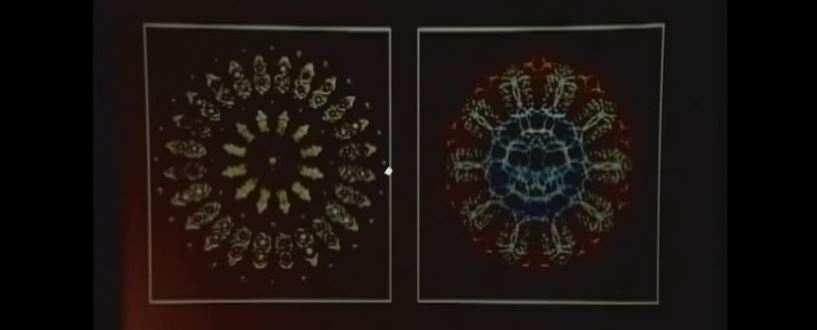
From a presentation by Francis Collins at the Veritas Forum at the California Institute of Technology

Take a close look at the two images. What do they represent? We might say that one image represents science and the other represents religion (or faith). But which is which?

The images are similar, but one of them is manmade, and the other is something we find in nature. Do you know which is which? Is the manmade image the scientific one or the spiritual one?

I will answer these questions; at least I will answer them as they were described in a presentation given by Francis Collins, the manager of the Human Genome Project, at a Veritas Forum at Caltech University in 2009. In the process, we will explore the chief question examined by this eminent scientist: whether science and faith are compatible.

Continue reading “Inspiration or Artifice? Faith and Reason”

The Significance of Our Father

God is always orientated as a Father toward us

Christianpicsco NKFw

Tim Keller[1] says there are no more important words in the prayer that Jesus taught us to pray then the first two words, Our Father.[2] The importance of these words is underscored by the way we reference The Lord’s Prayer. We sometimes call it “the Our Father”.

Why are these words so important?

Tim Keller says that these words frame our orientation toward God. He suggests that people either have a transactional orientation toward God or a family orientation. Most of us operate on a transactional orientation toward God and others at times in our lives. Some of us live there. Beginning a prayer by calling God, “Our Father”, orientates us the right way.

A transactional orientation is focused on what we must do in order to have a relationship, a connection, with other people. A transactional orientation focuses on what people (and God) can do for us. A transactional orientation is characterized by offering consideration[3] in order to get something in return.

When we have a transactional orientation toward God, we approach Him completely differently than the way Jesus taught us to pray. We come to Him looking for something for ourselves. We are focused on what we need and want. We feel like we have to offer Him something in order to get what we are seeking. A transactional orientation toward God turns prayer into bargaining.

When we have a transactional orientation toward God, we are not seeking God. We are seeking something from God.

Continue reading “The Significance of Our Father”