
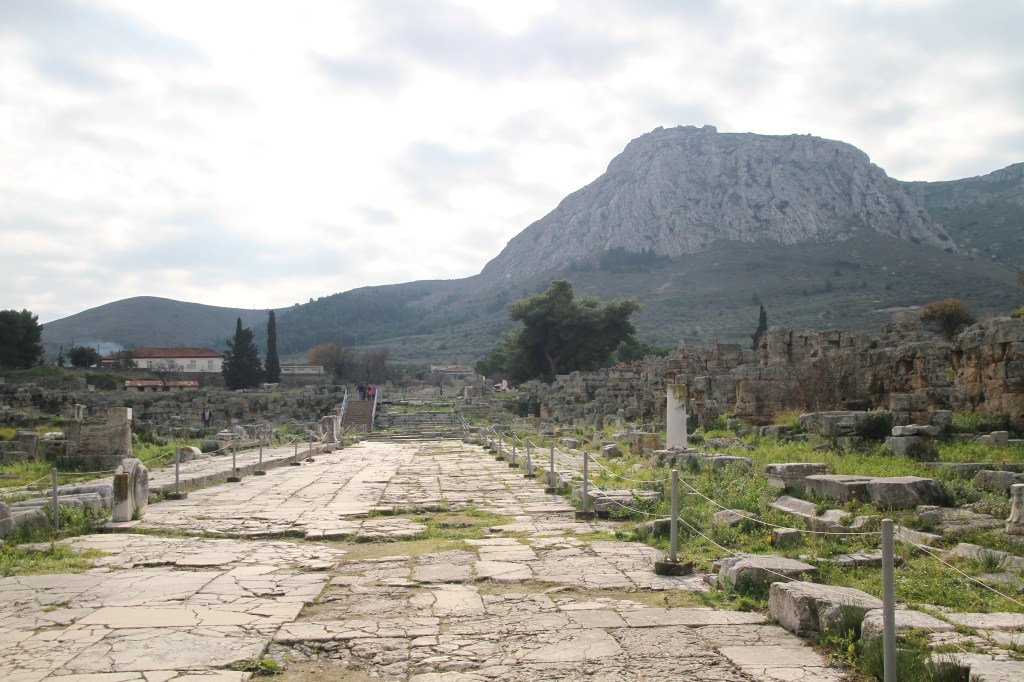
I wrote recently about the way Paul dealt with the messiness of the church in Corinth – Why did Paul Go to Corinth with a Demonstration of the Spirit’s Power? Paul observed that some people want signs before they will believe, and other people want “wisdom” (to be persuaded by intellectual argument). The Greeks fell into the second camp.
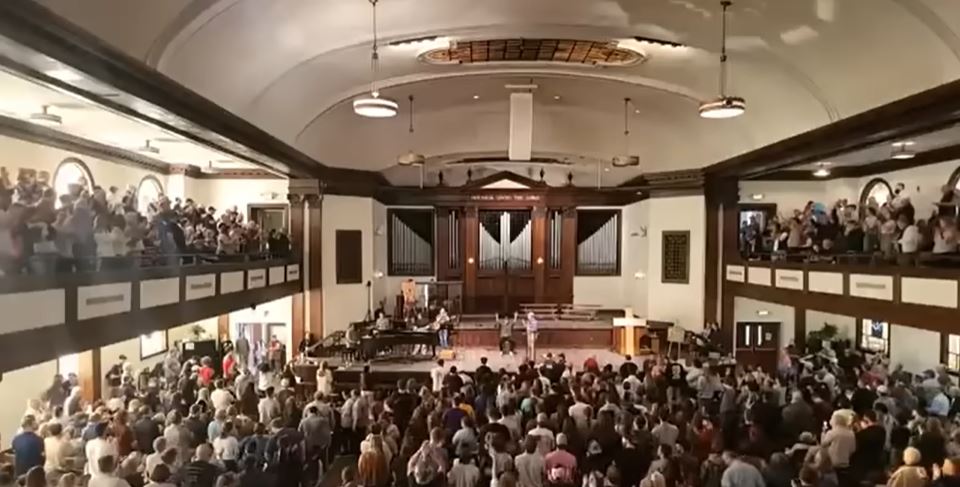
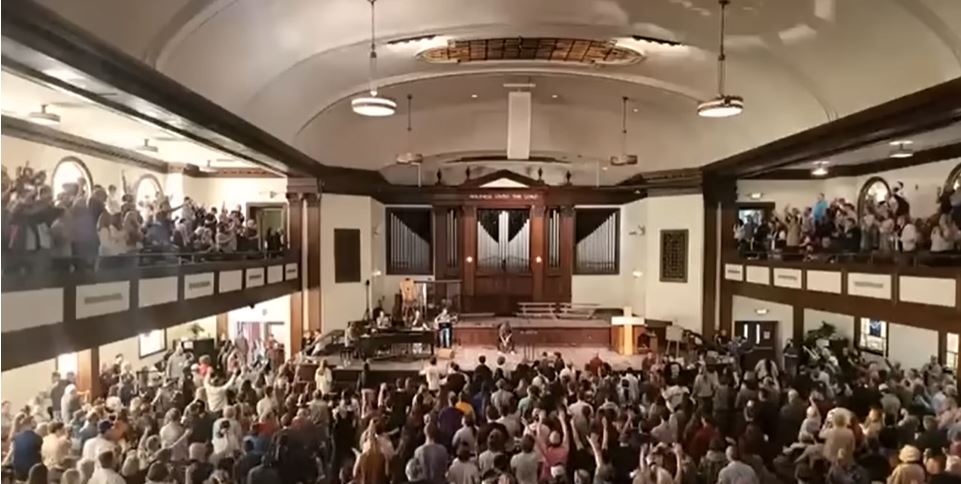
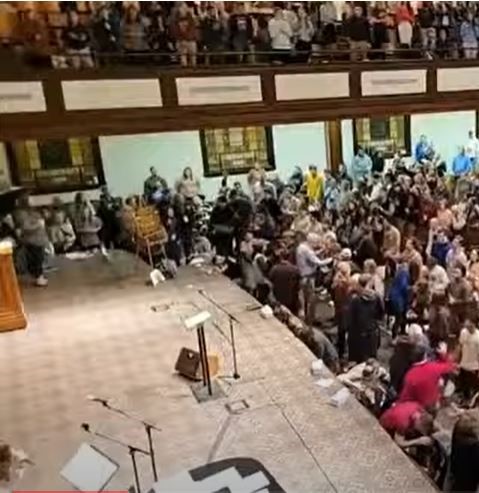
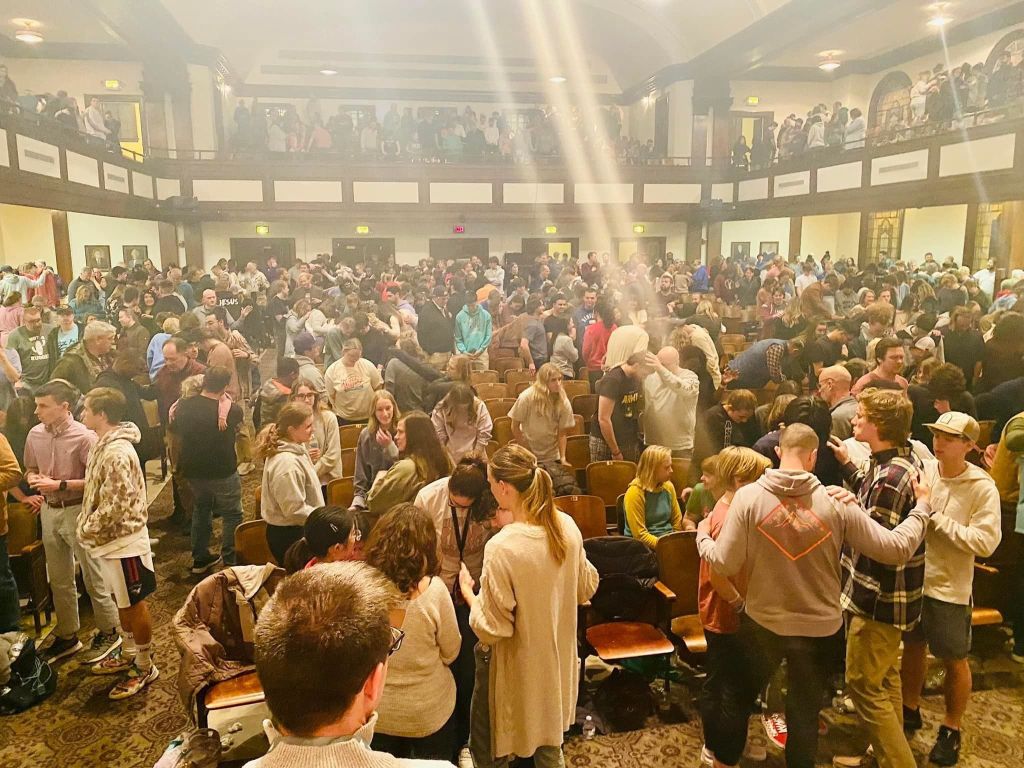
I have been reading 1 Corinthians in light of the recent happenings at Asbury University. Some people call it a revival, and other people question whether God was even involved. Perhaps, both ends of the spectrum are not quite right. Some people are quick to think that signs are evidence of God’s stamp of approval, and other people are quick to box God out of anything that doesn’t fit their theology.
In a previous article, I shared what I see in 1 Corinthians that is relevant to the subject. Because Greeks desired to be persuaded by argumentation, Paul came to them with nothing more than the simplest Christian doctrine (“Christ and him crucified”) in order to rely on a “demonstration of the Spirit’s power”.
If Greeks demanded wisdom, and Jews demanded signs, I am left to conclude that God doesn’t give us what we demand. (Though, He actually gives us both and much more if we are willing to acknowledge Him.) He just doesn’t dance to our music:
“To what can I compare this generation? They are like children sitting in the marketplaces and calling out to others:
“‘We played the pipe for you,
and you did not dance;
we sang a dirge,
and you did not mourn.’
Matthew 11:16-17
The Pharisees completely missed God incarnate standing before them because He didn’t meet their expectations. He healed people on the Sabbath; He hung out with sinners; He didn’t come from Bethlehem (or so they thought); He challenged them, instead of affirming them, and their theology was too rigid to accept Him.
Some people observing the Asbury phenomenon concluded it couldn’t be a move of God because: there was no preaching (though there was); it happened outside of church; the denomination of the University ordains women; LGBTQ students may have led worship; and people laughed and spoke in tongues.
I heard/read people say all these things, but the lack of preaching was one of the most common critiques. Protestants in particular put the emphasis on preaching. Worship services focus on the preaching.
I even hear people describe the Great Commission as a command to preach the Gospel to the ends of the earth. I have caught myself saying that also, but the Great Commission doesn’t focus on preaching.
“All authority in heaven and on earth has been given to me. Therefore go and make disciples of all nations, baptizing them in the name of the Father and of the Son and of the Holy Spirit, and teaching them to obey everything I have commanded you.”
Matthew 28:16-20
(Emphasis added) Teaching (not preaching) is an element of the Great Commission, but the emphasis is on making disciples. Preaching can include teaching, but teaching is not done only from a pulpit. Making disciples involves mentorship, doing life together in community, and much more than sermonizing.
The Greeks put so much emphasis on wisdom, oratory, argumentation, and eloquent speech that Paul deemphasized it. Even good things can become issues (even idols) for us when we overemphasize them, especially to the detriment of other important things.
In Paul’s first letter to the Corinthians, he says he went to Corinth with the strategy to refrain from preaching anything other than Christ and him crucified – the most fundamental of all Christian doctrines. Instead of relying on great preaching, he came to them with a “demonstration of the Spirit’s power” so that their faith would not rest in the persuasive powers of speech. (See the article linked above.)
It’s not that Paul came to them with no message. In the same way, it’s not like no message was preached at Asbury. In fact, the Asbury “revival” began with a message in the chapel on a Wednesday morning. Students and faculty got up front throughout the more than two week continuous “chapel” to read from scripture and give short messages, but the messages (the preaching) was light – just like when Paul went to Corinth.
The issue at Corinth wasn’t that the Greeks were demanding signs of God’s presence. They had the spiritual gifts and were using them (though not very well). Their primary issue was their lack of unity, quarreling, boasting and disagreement about who they followed. They were divided, contentious, and argumentative.
After identifying the problem of their lack of unity and two potential errors (a demand for “signs” and a demand for “wisdom”), Paul diagnosed the core problem with the Greek Corinthians – their desire to be persuaded with speech. Thus, he concluded that more speech wasn’t going to solve the problem. He needed a demonstration of the Spirit’s power so that their faith would not rest in the persuasive words of men (as they desired).
This is what I addressed in the last article, but I want to move on to the second error, now. Different expressions of the body of Christ tend toward different errors. If the Corinthians erred in relying too much on persuasion, the Jews (Paul admitted) erred in relying too much on signs – demonstrations of God’s power. (Ironically, the miracles performed right in front of the Pharisees were explained away!)
I find it instructive that Paul did not exhort the Corinthians to abandon the spiritual gifts. No, he encouraged them to desire the spiritual gifts! At the same time, he instructed them to put the spiritual gifts in perspective and use them for the mutual benefit of the whole body – something they weren’t doing.
The Corinthians lack of unity and order was evidenced not only in their argumentation; it was also evidenced in the haphazard and self-centered ways they used the spiritual gifts. Paul doesn’t tell them to stop using the spiritual gifts, just as he doesn’t tell them to stop preaching. Instead, he urges them to follow the “most excellent way” – emphasizing faith, hope and love, but above all love
I imagine that Pentecostal Christians would say of the Corinthian church in those days that they were experiencing an “outpouring” and “moving” of the Holy Spirit because of the way they “operated” in the spiritual gifts (to use a modern term). Not only were they “operating” in the spiritual gifts, but Paul came to them with his own demonstration of the Spirit’s power.
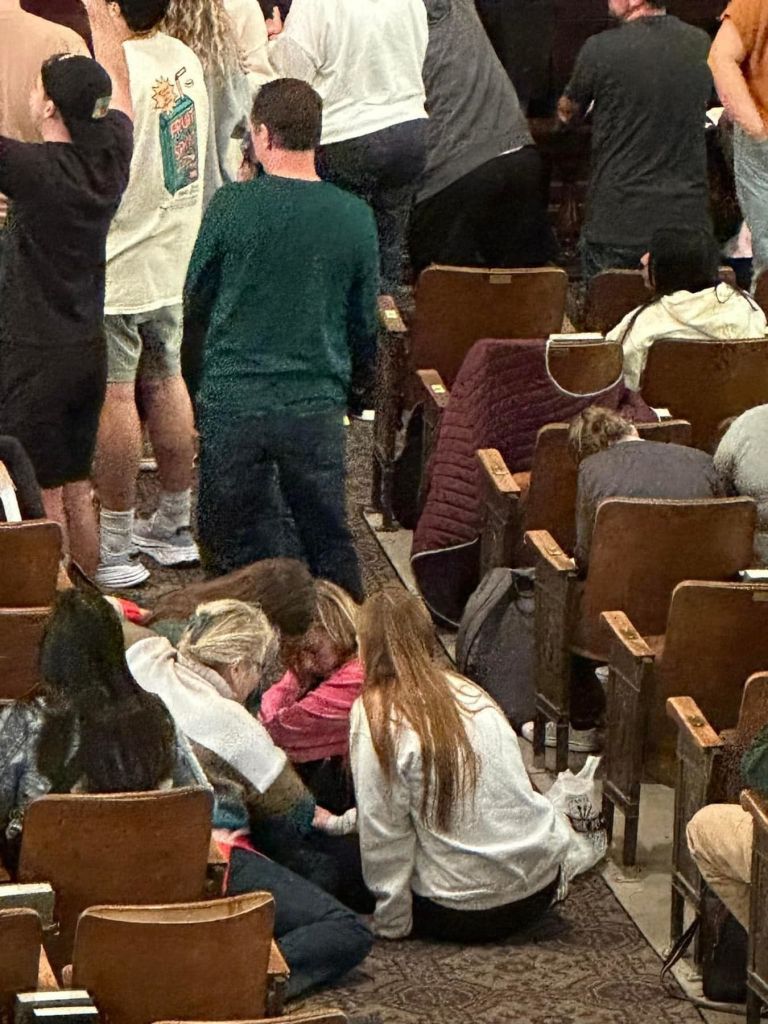
Some segments of the modern church would say the Holy Spirit was really moving in that church. Maybe they would have even called Paul’s visit a revival, an outpouring, or an awakening.
Here is the thing that strikes me, though, as I read Paul’s letter in light of the Asbury “revival”. While it may have seemed like the Holy Spirit was “moving” in their midst, the Corinthian church was being torn apart by quarreling, factions, sexual sin, broken relationships, and strife. Though they were moving freely in the gifts of the Holy Spirit, they were lacking in the fruits of the Holy Spirit.
What does that mean for us?
Continue reading “The Critical Difference between the Gifts of the Holy Spirit and the Fruit of the Holy Spirit”





 Navigating by Faith