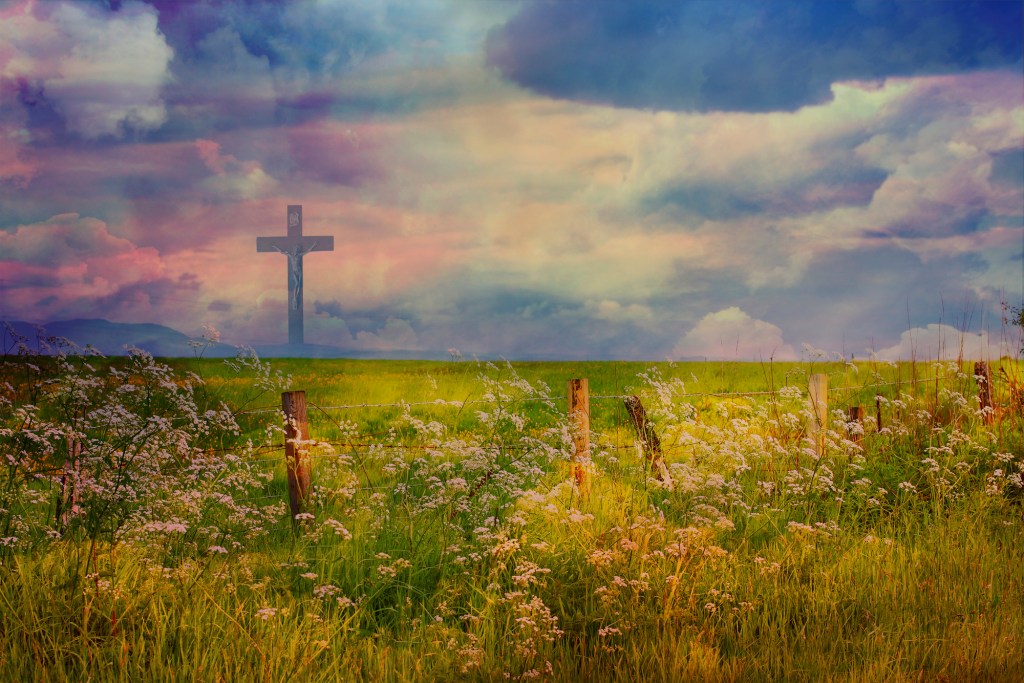
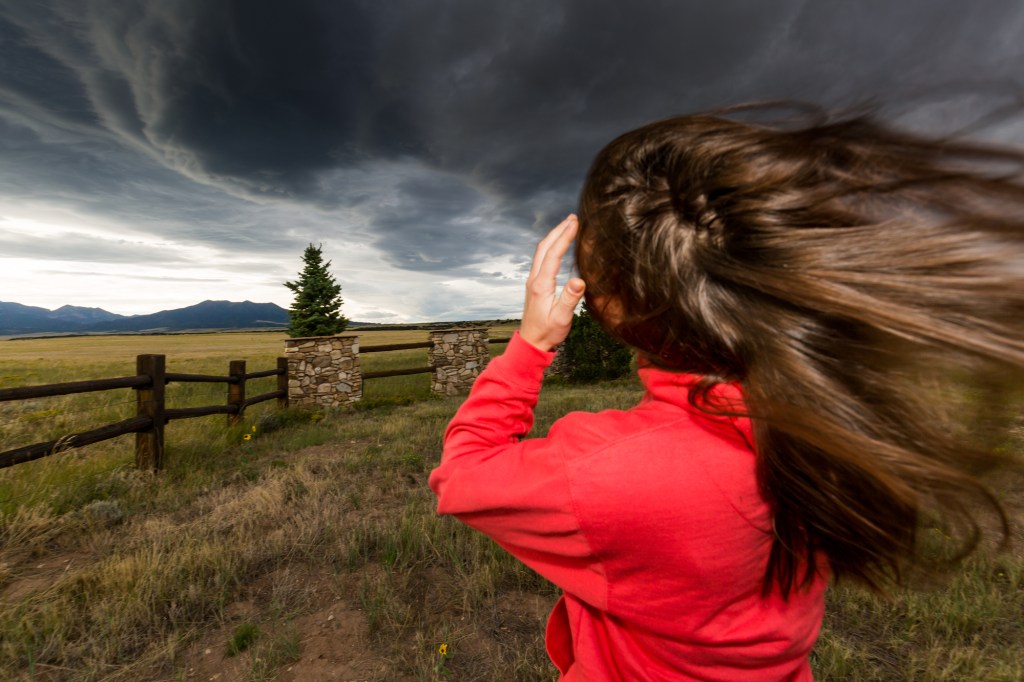
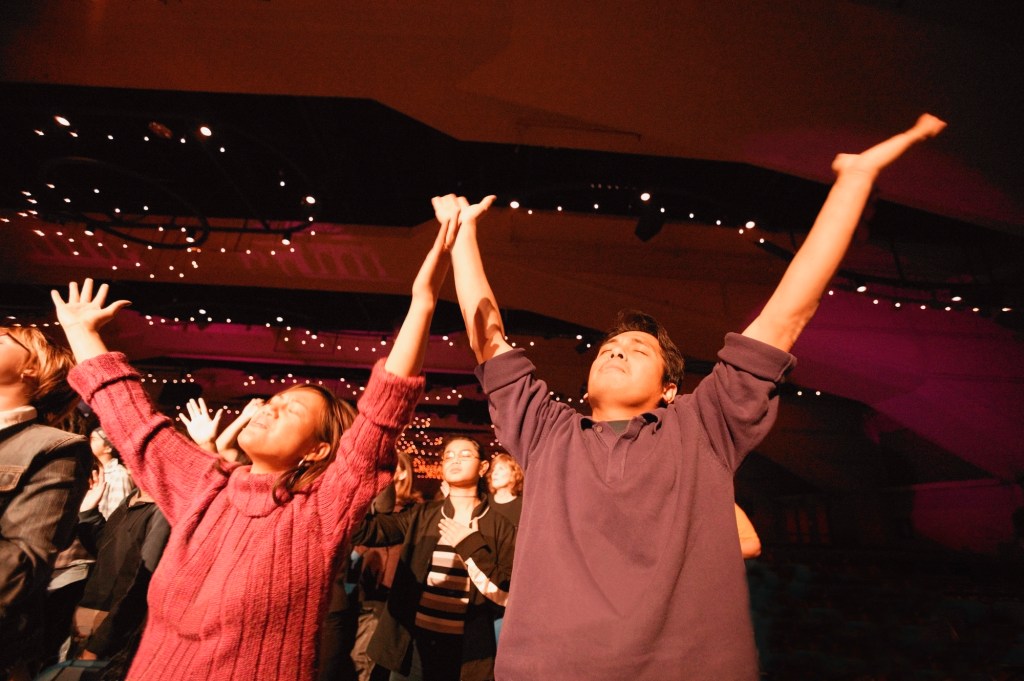
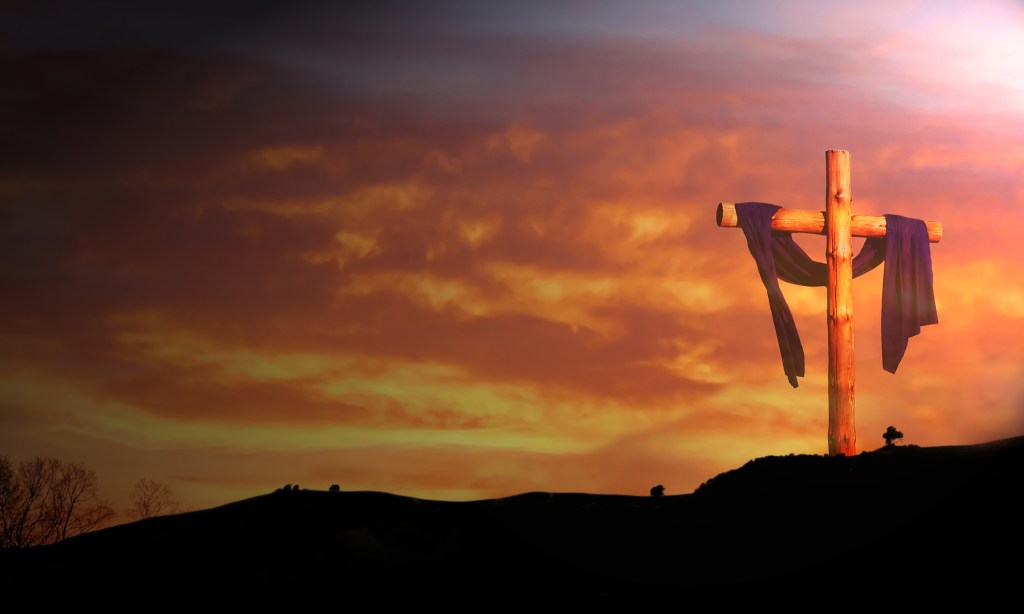
So Will I (A Hundred Million Times) by Hillsong is my inspiration today. Listen to the version by the UPPERROOM, featuring Abbie Simmons while you read the lyrics and view the photos of the wonders of God’s creation.
God of creation There at the start Before the beginning of time
With no point of reference You spoke to the dark And fleshed out the wonder of light
And as You speak A hundred billion galaxies are born
In the vapor of Your breath the planets form
If the stars were made to worship so will I
I can see Your heart in everything You’ve made
Every burning star A signal fire of grace
If creation sings Your praises so will I
God of Your promise You don’t speak in vain No syllable empty or void For once You have spoken All nature and science Follow the sound of Your voice
Photo credit Deb Zehyer
And as You speak
A hundred billion creatures catch Your breath
Evolving in pursuit of what You said
If it all reveals Your nature so will I
I can see Your heart in everything You say
Every painted sky A canvas of Your grace
Photo credit Miriam Higgs
If creation still obeys You so will I
So will I
So will
If the stars were made to worship so will I
If the mountains bow in reverence so will I
If the oceans roar Your greatness so will I
For if everything exists to lift You high so will I If the wind goes where You send it so will I
If the rocks cry out in silence so will I
Photo credit Paul Smith
If the sum of all our praises still falls shy
Then we’ll sing again a hundred billion times
God of salvation You chased down my heart Through all of my failure and pride
“When I attempted . . . to describe our spiritual longings, I was omitting one of their most curious characteristics. We usually notice it just as the moment of vision dies away, as the music ends, or as the landscape loses the celestial light.”
Photo credit to Deb Zeyher
“For a few minutes we have had the illusion of belonging to that world. Now we wake to find that it is no such thing. We have been mere spectators. Beauty has smiled, but not to welcome us; her face was turned in our direction, but not to see us. We have not been accepted, welcomed, or taken into the dance. We may go when we please, we may stay if we can: ‘Nobody [notices] us.'”
Photo credit to Rudy Vierickl
“A scientist may reply that since most of the things we call beautiful are inanimate, it is not very surprising that they take no notice of us. That, of course, is true. It is not the physical objects that I am speaking of, but that indescribable something of which they become for a moment the messengers.
Photo credit Paul Smith
“And part of the bitterness which mixes with the sweetness of that message is due to the fact that it so seldom seems to be a message intended for us, but rather something we have overheard. By bitterness I mean pain, not resentment. We should hardly dare to ask that any notice be taken of ourselves. But we pine. The sense that in this universe we are treated as strangers, the longing to be acknowledged, to meet with some response, to bridge some chasm that yawns between us and reality, is part of our inconsolable secret.”
Photo credit to Kevin Drendel
And surely, from this point of view, the promise of glory, in the sense described, becomes highly relevant to our deep desire. For glory means good report with God, acceptance by God, response, acknowledgement, and welcome into the heart of things. The door on which we have been knocking all our lives will open at last.”
As I read through the Bible, I often see comparisons that I had not previously considered. Recently, I noted a couple of different times and different ways that Jesus used the analogy of leaven. The two uses of the term, leaven, contrast with each other in interesting ways.
In Matthew 13, Jesus used the term in telling a short parable about the kingdom of God. Later, in Matthew 16, Jesus used the term in speaking about the influence of the Pharisees. They appear in the ESV as follows:
“He told them another parable, ‘The kingdom of heaven is like leaven that a woman took and hid in three measures of flour, till it was all leavened.’” (Matthew 13:33)
“When the disciples reached the other side, they had forgotten to bring any bread. Jesus said to them, ‘Watch andbeware of the leaven of the Pharisees and Sadducees.’ And they began discussing it among themselves, saying, ‘We brought no bread.’ But Jesus, aware of this, said, ‘O you of little faith, why are you discussing among yourselves the fact that you have no bread? Do you not yet perceive? Do you not remember the five loaves for the five thousand, and how many baskets you gathered? Or the seven loaves for the four thousand, and how many baskets you gathered? How is it that you fail to understand that I did not speak about bread? Beware of the leaven of the Pharisees and Sadducees.’ Then they understood that he did not tell them to beware of the leaven of bread, but of the teaching of the Pharisees and Sadducees.” (Matthew 16:5-12)
So, the kingdom of God is like leaven, but there is a “leaven of the Pharisees and Sadducees” of which we should beware. The leaven that is the kingdom of God is good, but the leaven of the Pharisees and Sadducees is bad. What is Jesus talking about?
From Garland’s perspective, the Church (capital C””) is at the center of the immigration crisis. The Church is involved on both sides of the border, as most of the people attempting to enter the US are Christians. Meanwhile, the Church on this side of the border is torn about how to respond.
In the previous article, I discuss the three issues that characterize the public focus on immigration, and I address each of those narratives from a biblical, Christian perspective. In this article, I want to put a human face on the immigration crisis, as told by Garland, and invite the Church on this side of the border to wrestle with the immigration crisis from a biblical position.
For people of the Word of God, this is disheartening news. It suggests most that most Evangelical Christians’ views on immigration are shaped by the news media and politics, not by Scripture.
For this reason, I believe that Evangelicals have a critical need to ground their views on immigration in God’s Word, as Paul urges:
“Do not conform to the pattern of this world, but be transformed by the renewing of your mind. Then you will be able to test and approve what God’s will is—his good, pleasing and perfect will.” (Romans 12:2)
In my previous article, I provided some quick Scriptural responses to the three concerns that characterize the public narratives (focusing on the law, lack of resources and resistance to change). I have already written extensively on immigration through a Scriptural lens, therefore, I am not going to try to restate or expand much on what I have already written.
Rather, I want to implore the church from the heart as I filter the immigration crisis through the eyes of John Garland on the front lines. I want to dig deeper into the Christian principle of rendering unto Caesar what is Caesar’s without failing to render unto God what is God’s.
I want to parse out what it means to give our priority attention to the weightier matters of the law, unlike the Pharisees who tithed their dill, comin and mint, but neglected to do justice and love mercy.
He has told you, O man, what is good; and what does the LORD require of you but to do justice, and to love kindness, and to walk humbly with your God?
This is the word of God through the prophet Micah (Micah 6:8)
The southern Mexican/American border at San Antonio, TX
Preston Sprinkle recently interviewed John Garland and Dr. Rebecca Poe Hays on the subject of immigration in episode #95 of Theology in the Raw. John Garland pastors a church in San Antonio Texas where he is immersed in ongoing immigration issues. Dr. Poe Hays is Assistant Professor of Christian Scriptures at Baylor University.
The San Antonio area is home to several immigration prisons. Being in San Antonio means the immigration crisis is a daily reality for Pastor Garland, and his church has embraced its position in the world. For that reason, the media often comes to him for stories they can publish on immigration.
When they interview him, he says, they usually are looking for a story that fits a particular narrative. Garland says that most people doing stories on immigration have already developed their narratives when they come to him for an interview. Thus, they are typically looking for a story that fits that narrative.
That characteristic of the media is true on both sides of the political fence. Because of the media focus on certain narratives, Garland estimates that only about 5% to 10% of what we read in the news on immigration describes an accurate picture of what is happening.
Most news stories on immigration are developed according to prefabricated narratives.
One story that the news media doesn’t tell is that it involves the Church. In Garland’s personal experience, the Church is on both sides of the immigration crisis, and the Church is caught in the middle.
When there is crisis, there is often confusion. Soldiers talk about the confusion in the “fog of war”. When we experience crisis in our personal lives, we often lack the clarity, need the clarity that comes from counseling from others who can provide us perspective.
That clarity often comes from people who “have been there” and have wrestled deeply with the struggles we experience. John Garland is someone who “has been there”.
We don’t see in most media reports that the majority of the people coming across the southern border are Christians. Garland speaks from personal experience when he says,
“[The immigrants] are our Christian brothers and sisters, and 85% of them over these last seven years are evangelical Christians…. They sing the same songs as we do.”
The people that Garland and his church serve at the border read Scripture with each other and pray together every night. They worship and serve God. They seek a better life for themselves and their families. They seek safety and freedom.
Garland says that the immigration crisis is very much a 21st century version of the exodus of freedom seekers to the New World.
“This is not a political story, really. That is happening on the news…. It’s a story of the pilgrim church and how we, as a church in America, are receiving the pilgrim church, a persecuted pilgrim church.”
Garland has experienced this reality on both sides of the border. He has spent time in Central America where he watched Christian leaders being driven out by violence and persecution.
In San Antonio, his church is receiving pastors, social workers and Christian community leaders escaping the dangerous and volatile environments they have left behind as a last resort. Garland says,
“This story doesn’t fit into any of the prescribed political narratives that you are generally going to get from the news.”
In the remainder of this blog piece, I will relate the narratives that Garland has categorized in his dealings with the media. He says they boil down to three categories that are reflected in the questions he is asked over and over again.



























 Navigating by Faith