Why Doesn’t God Reveal Himself to Me?

Have you prayed, and God didn’t respond?


I have heard many people say that they would believe in God if God revealed Himself to them in clear, undeniable ways. Richard Dawkins, the New Atheist, said that God would have to write a direct message in the sky before he would believe (and then, he added, he would still assume that he was hallucinating or something else before believing it).

Young children tend to believe in God innately. This is true whether children are raised in religious homes or non-religious ones and in countries that are predominantly religious and in countries that are not. Even atheist sociologists have observed this phenomenon that some people have called “universal design intuition.” (See Universal Design Intuition & Darwin’s Blind Spot)

Since the Enlightenment, the general assumption in scientific and academic circles is that children outgrow naïve faith and civilizations do too as they advance in knowledge and sophistication. Thus, the modern assumption is that we outgrow faith in God as people and societies mature.

There is some truth to that assumption as we can see anecdotally (maybe in your own life or in the lives of people you know) and from the history of Western Civilization, with evidence of declining religious belief. Still, 81% of people in the United States in 2022 believed in God (or a higher power) (as reported in a Gallup poll), and the number increased to 82% in 2023 (according to a Pew Research poll).

We have all heard about the “Great Dechurching” – the 40 million Americans who used to go to church, but no longer do. We have also heard about “the rise of the nones“, the increase in the number of Americans who are atheist, agnostic or religiously unaffiliated, which increased precipitously from 16% in 2007 to 30% by 2022!

The nones include people of every age, but the highest percentage of nones are Gen Z and millennials. These age groups have largely grown up not going to church, yet, Bible sales surged in 2024 by 22% (after years of declining sales), and that surge is attributable to first time purchasers among Gen Z and Millennials. (See Bible boom: Why are people buying so many Bibles?; and US Bible Sales Jump 22% in 2024, Driven by First-Time Buyers and New Versions: Circana BookScan)

The hint of a spiritual renewal in the West isn’t limited to young Americans. Justin Brierley has reported on and written a book about the Surprising Rebirth of Belief in God in the UK. (See The Surprising Rebirth of Belief in God: Why New Atheism Grew Old and Secular Thinkers Are Considering Christianity Again) Agnositics and atheists, at least in the UK, are rethinking their positions on Christianity in noticeable numbers.

While Brierley’s thesis is largely based on anecdotal evidence, the volume of his anecdotal evidence is impressive. He has been hosting dialogues between atheists and Christians regularly since the mid-2000’s, and his data comes from a combination of atheists who have recently cozied up to the idea of God and religion and former atheists who unabashedly believe in God now.

My writing today is inspired by one such former atheist, a bio-chemist with a robust career in science, who became a believer in his middle age. Sy Garte wrote a book about his journey from atheism to faith, The Works of His Hands: A Scientist’s Journey from Atheism to Faith, in which he explains how a combination of science and his experience led him to believe.

The science opened his mind to the possibility of God. His study of religions, philosophy, and theology led him to an intellectual acknowledgement of the likelihood of God, but his experience and willingness to embrace it brought him in the door to faith in God.


In a recent interview with John Dickson on the Undeceptions podcast, Sy Garte provides some advice to listeners who believe science holds all the answers to reality and truth by insisting that nothing in science contradicts the Bible.


If you read his whole story, he explains how science suggested the possibility of God to him, but he also emphasizes the importance of experience in belief. His acknowledgement of the role of experience, I think, is important, and it is underappreciated.

Skeptics and believers, alike, discount experience. A skeptic might chalk experience up to fantasy, a desire to believe, a disconnection with reality, or similar thinking. A believer might question the experiences of people who arrive at unorthodox beliefs based on their experiences.

Clearly, experience must be tempered by facts, science, and sound reasoning, but Sy Garte maintains that experience is good evidence, nevertheless, primarily for the one who has the experience. In doing so, he acknowledges the objection by the person who hasn’t had such an experience, and his response to the person who hasn’t had an experience with God is what I want to focus on today.

Continue reading “Why Doesn’t God Reveal Himself to Me?”

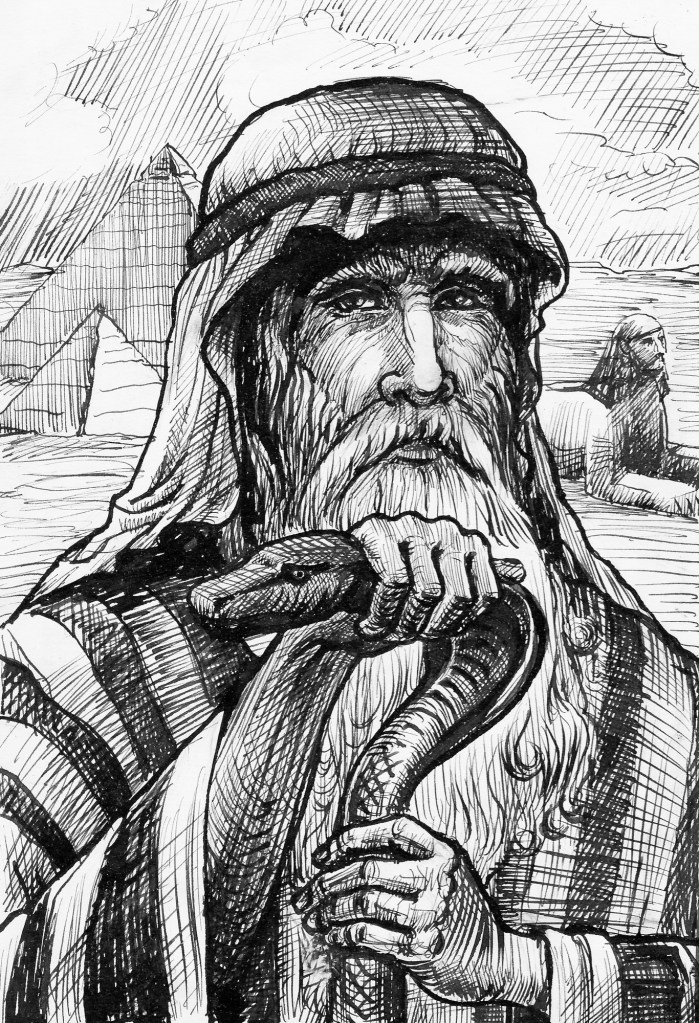
Lessons from Moses of Faith, the Lack Thereof and the Purposes of God

Moses knew better, but his own emotions got the best of him.

Egypt, Sinai, Mount Moses: view from road on which pilgrims climb the mountain of Moses

The passage in Numbers 20:1‭-‬13, which I quote below (in the NIV), has puzzled me in the past. It didn’t sit well with me, and I figured I simply didn’t understand it well.

As with many things I don’t understand well, I often “shelve” them for later consideration. Later is now, as I have just read through the passage again in my yearly journey through the Bible. This is the setting:

“In the first month the whole Israelite community arrived at the Desert of Zin, and they stayed at Kadesh. There Miriam died and was buried.”

Miriam, the sister of Moses and Aaron, had just died. Not much is said about her death, but Moses and Aaron must have been grieving. That grief on top of resistance from the Israelites they were trying to lead according to God’s direction, and the harsh circumstances of the desert must have weighed heavily on them.


“Now there was no water for the community, and the people gathered in opposition to Moses and Aaron. They quarreled with Moses and said, ‘If only we had died when our brothers fell dead before the Lord!'”

I believe their “brothers” who “fell before the Lord” refers to Korah who led a rebellion against Moses. (Numbers 16) Korah challenged Moses and his right to lead the Israelites, because Korah was not happy with his clan’s roll in caring for the Tent of Meeting. In challenging Moses, he was basically saying, “Who put you in charge?!”

Instead of confronting Korah directly, Moses set up a test before the people to allow God to identify who was in charge. When Korah and his clan burned incense, the ground rumbled, and Moses told the people to back away from Korah and his tribe of rebels as the ground swallowed them up.

Not long afterward, the wanderings of the Israelites brought them to the Desert of Zin, where the Israelites became so angry and distraught about the conditions in the desert that they wished they died with Korah in rebellion against God. The desert conditions must have seemed pretty inhospitable. Moses was losing the hearts of the people, and they were turning against him. Again! The people said:

“‘Why did you bring the Lord’s community into this wilderness, that we and our livestock should die here? Why did you bring us up out of Egypt to this terrible place? It has no grain or figs, grapevines or pomegranates. And there is no water to drink!’” 

Of course, Moses was God’s man. That fact was demonstrated graphically in the Korah situation, but they continued to take their dissatisfaction over their circumstances out on Moses. Instead of God, they blamed Moses for their situation. When Moses and Aaron the assembly of the people, the made a beeline for the entrance to the tent of meeting where they “fell facedown”, and “the glory of the Lord appeared to them.”

Moses and Aaron knew the score. They knew that the people were really finding fault with God, not Moses or Aaron. They were intimate enough with God to know that God was not to be trifled with.

When the glory of God appeared to them, they should have been emboldened to stand resolute on their confidence in God’s direction. They should not have doubted that God was with them. Right?

Of course, the Israelites should not have doubted that God was with them, either. God’s visibly demonstrated Himself to them over and over again. His visible presence went with them in a pillar of cloud by day and fire by night. They had seen the demonstrations of the power and holiness of God at the Red Sea, at Mount Sinai and in the ground swallowing up Korah and his band of rebels.

What more did they need to see to understand that God was with them?

Yet, they did not trust that God had their back. God gave them manna every morning, and God gave them so much meat when they demanded meat that it came out of their nostrils. Yet, they continually grumbled and complained and wished they were back in Egypt.

Something had to be done to put down the unrest!

“The Lord said to Moses, ‘Take the staff, and you and your brother Aaron gather the assembly together. Speak to that rock before their eyes and it will pour out its water. You will bring water out of the rock for the community so they and their livestock can drink.’” (Emphasis added)

The instructions were simple and pretty clear: take the staff and speak to the rock.

“So Moses took the staff from the Lord’s presence, just as he commanded him. He and Aaron gathered the assembly together in front of the rock and Moses said to them, ‘Listen, you rebels, must we bring you water out of this rock?’” 

Moses started out all right. He took the staff as he was commanded, but things begin to go off the rails after that. Moses was obviously perplexed that the people were so angry, and he might have been taking it personally. Instead of speaking to the rock, Moses turned and spoke to the people, and he was full of wrath for them in that moment.

It’s hard for me to blame Moses for feeling this way. I am sure I would take it personally also. It was personal!

The people were obstinate. What more could Moses do to demonstrate that God put him in charge?! Yet, they continued to challenge Moses and blame him for their unsatisfactory conditions.


Moses knew better, but it seems his own emotions got the best of him. He took their opposition personally, and his anger led him to forget God’s instructions to him:

“Then Moses raised his arm and struck the rock twice with his staff. Water gushed out, and the community and their livestock drank.”

The result was good, right?

But, Moses didn’t do exactly what God commanded him. God told him to speak to the rock. Instead, Moses spoke to the people, and Moses struck the rock with his staff. These clues pop when God responds:

“But the Lord said to Moses and Aaron, ‘Because you did not trust in me enough to honor me as holy in the sight of the Israelites, you will not bring this community into the land I give them.'”

I have long thought that the punishment didn’t fit the crime. Perhaps, I didn’t understood the significance of these things. God’s response seemed harsh in light of the faithfulness of Moses before Pharaoh, in receiving and delivering the Ten Commandments, and in putting up with the grumbling, and complaining, and obstinance, and waywardness of the Israelites, but maybe I was missing something.

Keep in mind that Moses grew up in luxury and privilege in Pharaoh’s household. The Israelites were “his people”, but only by genetics. Moses put up with a lot with these people he didn’t grow up with and didn’t even know very well. It seemed to me that Moses had been pretty faithful to God but clearly, his disobedience to God was more significant than I have appreciated.

Continue reading “Lessons from Moses of Faith, the Lack Thereof and the Purposes of God”

The Importance of Building Your Ark as God Instructs

We do not walk alone; we walk with God and with each other. Perhaps, my experience will be helpful as I have been helped by others who have had similar experiences.


I was praying one morning recently for God’s help to guide me away from the paths of thought and actions that take me down. I had been wrestling lately with old sin and losing the battle.

I do not often get so personal on this blog, but God knows all. He knows my heart, my thoughts, my actions – everything. He knows the words I speak before I even say them (or write them as the case may be). Nothing is hidden from Him.

I do have people who are close to me who I confide in and help me sort through these things. Still, being so personal is hard.

To get to the point, I have been married for 38 years as of November, but my wife informed me last June that she hasn’t been happy in a long time, and she moved out. I have been sad and depressed since she left.

Her leaving, and the present silence and emptiness in my life without her have filled my thoughts and haunted my waking hours since then. I have spent most of my life working to support my family. Our kids are out on their own now, and I was beginning to let myself think about retirement for us.

Now, everything has changed. At the age of 63, I am adrift. My future is uncertain. I am sad for her, and I am sad for me and I fear the future will not be easy for either of us.

I doubt she will not be happier now. I have often said and believe that the grass isn’t always greener….. But, she doesn’t seem to see it that way. Perhaps, she is willing to trade one kind of unhappiness for another.

Maybe I haven’t been happy myself for a long time, but I don’t really think about it. I have come to believe that happiness is fleeting. I can live with unhappiness. I would rather search for a joy that lasts forever than settle for mere happiness that is here today and gone tomorrow.

Maybe that attitude doesn’t make for a good marriage. I don’t know. I do know that I am no hero in this story. I have failed in many ways, and my failures hang like a dark cloud over me. They threaten to crush me.

I have not written much since June because of these things. I haven’t had the inspiration or the energy to write. Yet, I feel God called me to write, so I am trying to plod on.

I don’t want to dwell on these thoughts, but this is where I was when I approached God one recent morning. My failures, disappointments, regret and other negative emotions are ever before me, and they threaten to undo me.

Not the least of which is the gravitational pull to give in to old ways of thinking and to succumb to old habits. I have at various times lost the will to overcome and fallen back, and I have despaired in my falling back.

As I asked God to help me, to rescue me from my thoughts that threaten to take me down, a verse I read in my daily Bible reading that morning seeped back into my conscious thoughts, and I engaged with it:


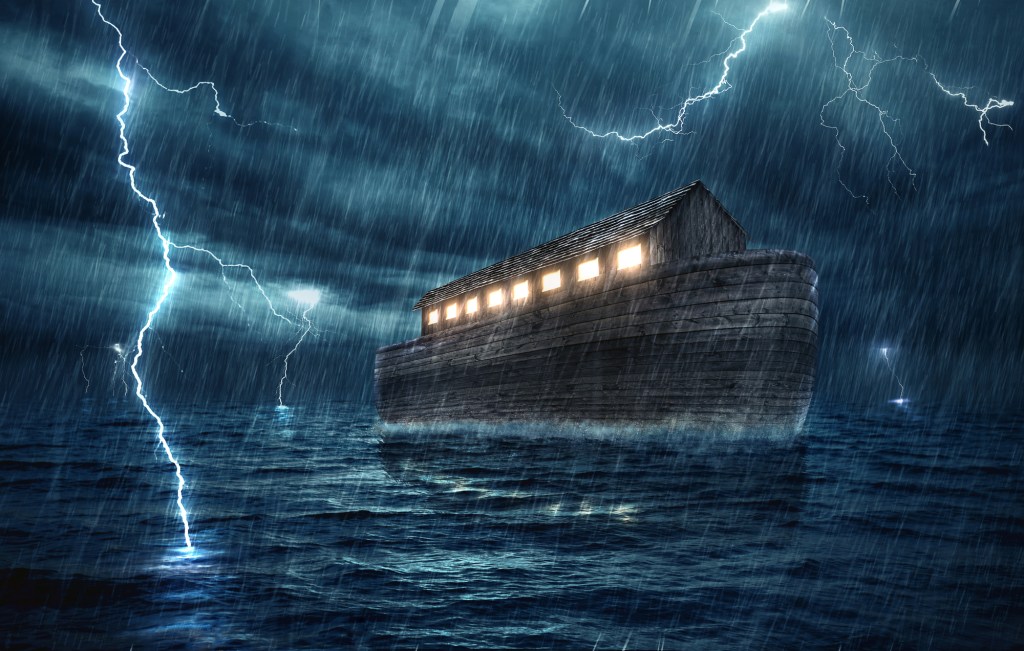
“And Noah and his sons and his wife and his sons’ wives entered the ark to escape the waters of the flood.” 

Genesis 7:7 NIV


Noah, who was said to be “blameless in his generation”, was saved from the judgment of God by building an ark. That ark was the vessel that lifted Noah and his family above the waters and carried them on to safety.

Continue reading “The Importance of Building Your Ark as God Instructs”

Sacred Space

Abraham created sacred space


Abraham was a man who listened and responded to God. When God told him to go to a land God would show him, Abraham responded and went, not knowing where he was going. At God’s direction, Abraham left his father’s household, his community and his homeland.

When Abraham first entered what we now call the promised land, he built an altar to God between Bethel and Ai. He, Sarai and Lot continued traveling down south into the Negev desert. Because of drought, they went further south into Egypt. Then, they came back up through the Negev desert to the promised land again:


From the Negev he went from place to place until he came to Bethel, to the place between Bethel and Ai where his tent had been earlier and where he had first built an altar. There Abram called on the name of the Lord.

Genesis 13:3-4


Abraham and Lot accumulated many animals and possessions in their travels, and they both had many herdsmen to tend the animals. When their herdsmen began quarreling with each other, Abraham took action to address the situation.

He told Lot it wasn’t good that their herdsmen were quarreling, and he offered Lot his choice of land. Abraham said, “If you go left, I will go right. If you go right, I will go left.” Lot chose the plains of the Jordan, so Abraham went the other direction:


So Abram went to live near the great trees of Mamre at Hebron, where he pitched his tents. There he built an altar to the Lord.

Genesis 13:18 


From this portion of the story of Abraham, I am impressed today by a couple of things. First, Abraham is ever the hospitable man. He offered Lot his choice of direction first.

I believe Abraham did this because he trusted God, and he was content that God would take care of him. Thus, he was able to be hospitable and kind. He didn’t need to compete or vie with his nephew. He did the right thing and let God do the rest.

The first point is most important: Abraham trusted God. Abraham listened and was responsive to God’s voice. He went when God said to go.

When he got to the promised land, he did not seek to possess it by his own will. He held it loosely. He came and he went, and he returned again trusting that God would guide him and settle him where God desired him to be.

When he first entered the promised land, he built an altar to God. The first thing he did was to create sacred space and to seek God. Abraham created sacred space, but he did not seek to possess it.

When drought came, Abraham was quick to move, wandering through the Negev desert to Egypt and back again. When he came back, he returned to the sacred space he had previously created.

Even then, he did not seek to possess the land, as if it were his. He was content to allow Lot his choice. After Lot chose his direction, Abraham struck out to a new location. Where he settled he created an altar to God, and he made sacred space at the new location.

Continue reading “Sacred Space”

Perspective: As the Heavens Are Higher than the Earth

We can perceive and feel our way to understand that time had a beginning at the point of a quantum vacuum, but we can go no further even to perceive, but for speculation, what lies beyond. We are left to grasp by pure faith that God initiated the universe into being.

Photo from the James Webb Telescope

Perspective can make all the difference in the way we perceive and understand anything. Our view from a position under the canopy of a dense forest will be different than our view from a drone in the same location flying over the same forest canopy. The higher we fly that drone, the more our perspective expands and understanding of our location grows.

From a great height, we see the expanse and contours of the forest, the streams and rivers that run through and beyond it, the mountains in and the oceans in the distance where the forest transitions into the hills, the foothills, the mountains slopes and the peaks in one direction, and the openings, meadow, plains, and coastlands in another direction.

The higher we go and farther out we see, the more we see and understand the forest in relation to other geographical features that surround it and the savannas, valleys, deserts, and coastlands and oceans in the grater world beyond the forest.


“As the heavens are higher than the earth, so are my ways higher than your ways and my thoughts than your thoughts.”

Isaiah 55:9


This verse has become so often quoted that it might seem trite to us. “Yea, yea!” we say. “We need to trust God. I get it.”

It’s hard to grasp and trust in the perspective God has from our place where light filters sparingly through the forest canopy. Our perspective is not much better in the barren expanse of a vast desert or on the waves of a vast ocean as far as the human eye can see. Knowing that the forest canopy, barren desert or vast ocean gives way to a different reality can seem like a small consolation from where we stand.

We have a harder time grasping and appreciating that God sees out over the universe where our planet sits tucked among other planets circling the sun in an opportune place in the Milky Way solar system where we peer out, however tentatively, into an expanse of other solar systems stretching out in all directions beyond our capabilities even to observe.

Ninety five percent of the universe we can see is comprised of dark matter and dark energy that we know exists, but we cannot even observe. Mystery surrounds us in every direction and beyond our capability to go or even to glimpse.

We can perceive and feel our way to understand that time had a beginning at the point of a quantum vacuum, but we can go no further even to perceive, but for speculation, what lies beyond. We are left to grasp by pure faith that God initiated the universe into being by His very Word and expends still into some unknown future and “void”.

Continue reading “Perspective: As the Heavens Are Higher than the Earth”