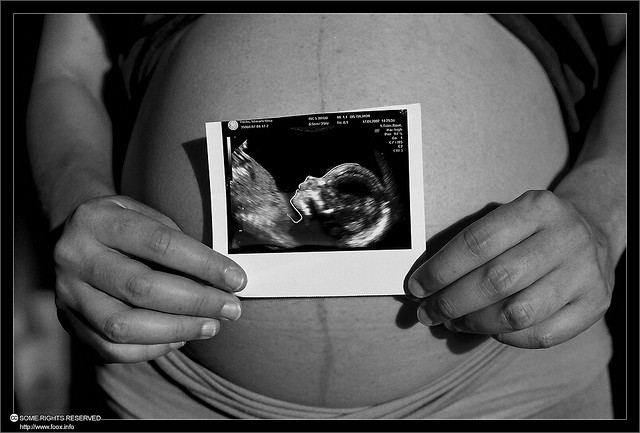
The Planned Parenthood videos have exposed the soft underbelly of the abortion industry. Some would say it is much ado about nothing, but methinks they doth protest too much.
The defenders and supporters have focused on the “lie” that Planned Parenthood profits from the sale of aborted fetal organs (“baby parts”). They do not call them human remains, though that is what they are. So much of the battle ground in this debate is over words, as if a rose by any other name is not a rose.
The defenders would like shift the focus on words and whether there was “profit” and “reasonable consideration”, never mind what we saw. A perfect example is found in the popular factcheck.org article, Unspinning the Planned Parenthood Video. The article goes to length to explain that Planned Parenthood does not “profit” for the sale of the fetal body parts. In the process, it directs our attention to the cold words in in the federal statutes:
The video itself highlights a portion of title 42 of the U.S. code, which reads: “It shall be unlawful for any person to knowingly acquire, receive, or otherwise transfer any human organ for valuable consideration for use in human transplantation if the transfer affects interstate commerce.” The law does include fetal tissue in its definitions. It says that the term “valuable consideration” doesn’t include “reasonable payments” for removal, transportation, preservation and other associated costs.
The statute referenced provides as follows:
(2) The term “valuable consideration” does not include the reasonable payments associated with the removal, transportation, implantation, processing, preservation, quality control, and storage of a human organ or the expenses of travel, housing, and lost wages incurred by the donor of a human organ in connection with the donation of the organ.
While the Pro-Life activists and politicians who are opposed to abortion have tried to claim that Planned Parenthood is illegally profiting from the sale of “baby parts”, and Planned Parenthood and their defenders have claimed those accusations are “lies”, the discussion entirely misses the point. I will come back that, but let us look at the profit issue.
“Valuable consideration” in general legal parlance means, simply, something of value, anything of value really. It means quid pro quo, an exchange of something for something, without quantifying the two somethings. In other words, “valuable consideration” does not depend on whether the exchange is proportionate or fair; it only matters that something of value is given and gotten.
The federal law that addresses the sale of human tissue, however, uses “valuable consideration” in a more unique and specific way. The definition excludes “reasonable payments” (essentially covering costs). We could argue whether the $30-$100 Planned Parenthood gets for the fetal organs it sells is reasonable or covers costs, but that would be an exercise in missing the forest for the trees.
Technically, Planned Parenthood does not make any profit, regardless of the consideration received for its services and sales. Planned Parenthood is organized as a nonprofit corporation. It does not have profits and never will. All of the funds it raises go back into the organization (including payment of the salaries of its employees and officers). There are no “profits” for a nonprofit corporation.
The shocking aspect of the Planned Parenthood videos is not the consideration they obtain for the brains, livers and other organs and parties of babies that are aborted in their clinics, but the callous, cold, clinical, even joking way they talk of dismembering, crushing and cutting into babies to “harvest” their parts.
We should not be distracted by mere verbiage. Watch the videos. Listen to the way the Planned Parenthood executives talk about what they are doing. If we are not alarmed at how callously and coldly they chit chat about what they are doing, we should also be alarmed at how much our consciences have been seared by ignoring and trivializing the killing of human life.