I have added a new look to the blog and have made some other changes that I will address at the end. In the meantime, I have done some reflecting on this past year in Navigating by Faith. I began writing because I enjoy it and feel compelled to write. Writing is a way to find meaning and capture it as time slips on day to day, week to week, month to month and year to year. If my reflection can trigger reflection in others, I have accomplished something and helped others to “smell the roses” find perspective and grow.
I began this blog as a way to mark my faith journey, tap into a deeper well of meaning on the way and provide, perhaps, helpful perspective for others on a similar journey. Much of what I have written is retrospective, reflecting on milestones in my faith progression dating back to college and before. I have explored passages and themes in the Bible, which I view as the inspired “Word of God”; I have attempted to engage doubters, agnostics and atheists; I have explored perspectives on current events and addressed things that are important to me.
For what it is worth, I have categorized the past year’s blog posts below. These categories are different than the tags and keywords that are attributed to each post and every post collectively. It is my way or wrapping up the year putting the year of writing in perspective. I hope that those of you who have read any of these posts have enjoyed them, have been challenged by some and maybe even have been inspired by some to dig deeper and to break the through hard veneer built up by the busyness of life that pressures us to rush past on the superficial surface of life.
This is the Year in Review in Navigating by Faith:
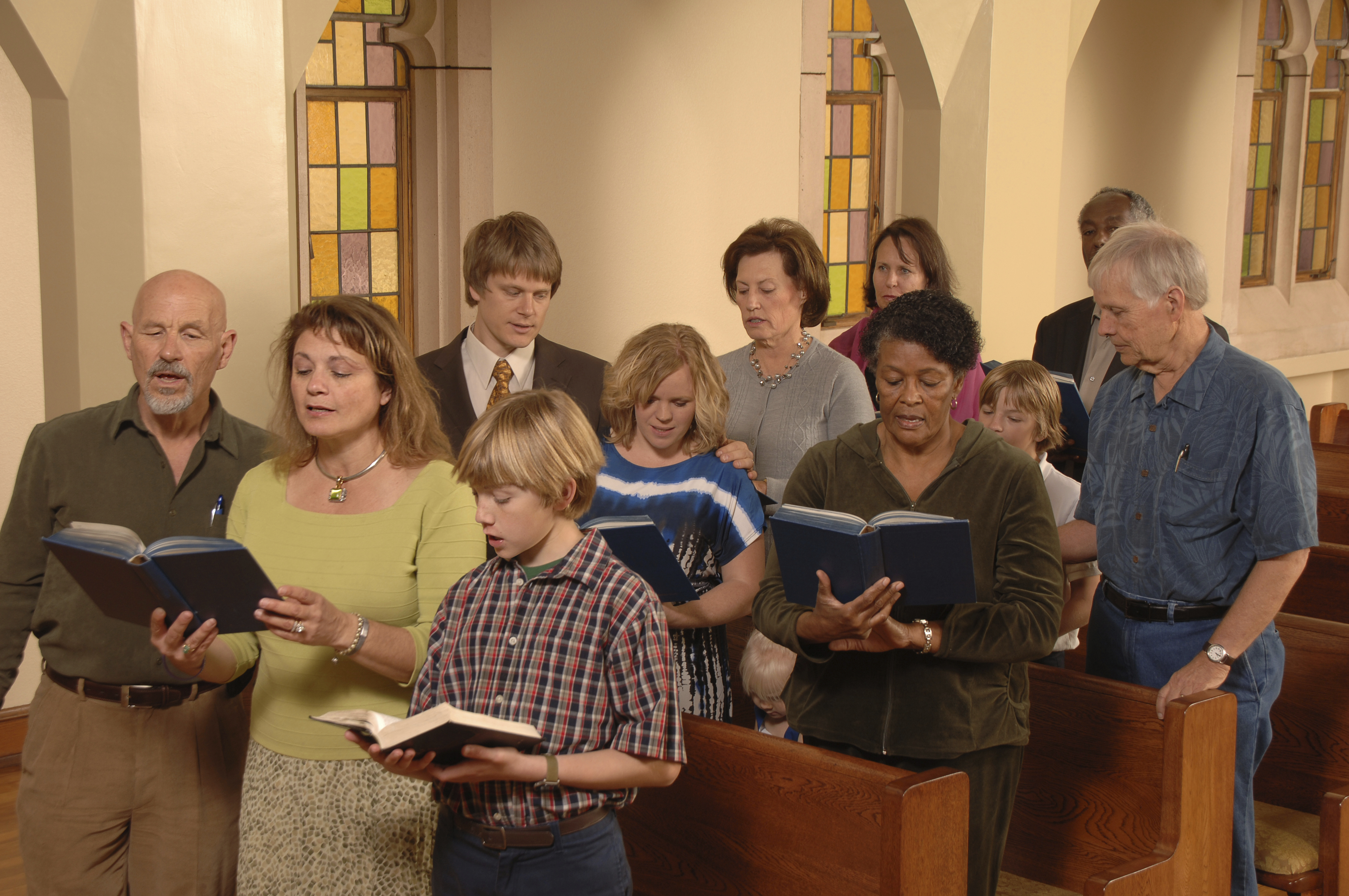
Faith Milestones in my Life – This topic is, perhaps, the main impetus to the start of this blog.
-
Why the Bible This piece describes my initial reaction to the Bible in college in World Religions class and the ongoing significance of that first impression 30+ years later.
-
-
The Joy of C.S. Lewis These are my reflections on the life of C.S. Lewis on the 50th anniversary of his death and the lasting impression he has made on my life
Bible Passages and Themes – The Bible informs my faith and is the continual point of reference
-
-
Troubles Mark the Way The Bible does not promise us happiness and prosperity, but troubles and difficulties
-
Rascals for God Using our God-given talents and gifts for others & storing up treasures in heaven
-
Calvin & Will Reflections on what the Bible says about free will vs. predestination – my only foray into theology
-
-
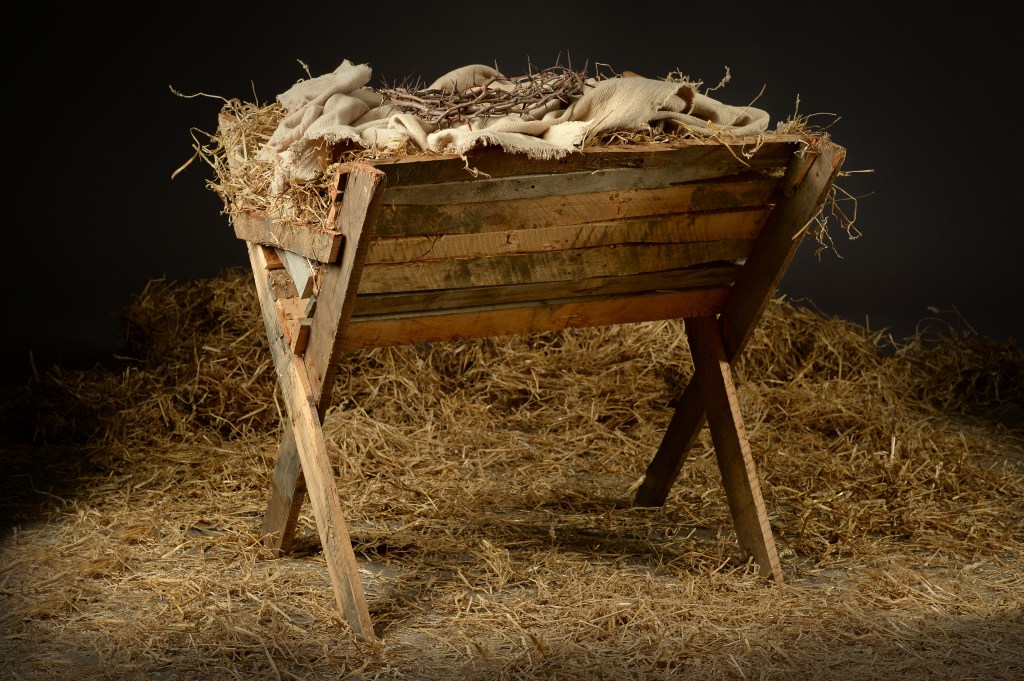
Message in a Manager A reflection on the fact that Jesus did not come with trumpets and a blaze of glory and what that means
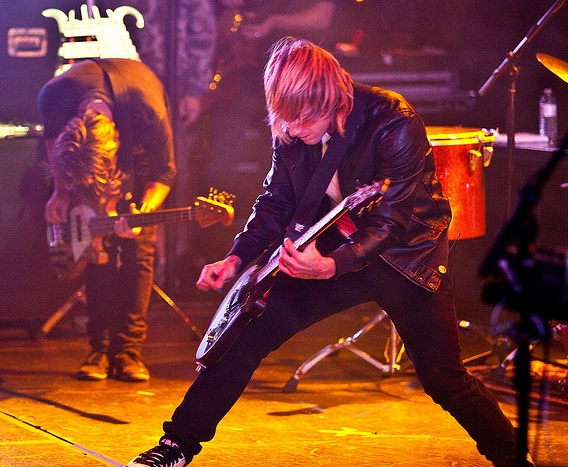
Christian Music – As someone who is outward looking in my faith, I am intrigued by musicians with a similar view
-
Switchfoot My reflections on an article “Why Switchfoot Will Not Sing Christian Songs”
-
Michael Gungor Reflections on an article by Michael Gungor of what is wrong with the Christian music industry
Outward Looking Articles on Faith – I have a certain ambivalence in my writing motivation. Sometimes I find myself wanting to focus on the Bible and its deeper message for believers, but often I am find myself wanting to address an audience of doubters and unbelievers. These are kind of hybrid pieces
-
-
Perspective A short reflection putting life in perspective
-
-
Love Your Enemies Every Day An exploration of biases and personal tendencies in light of Jesus’ instruction to love your neighbors, inspired by a remarkable story of a black man who befriended and changed the views of many former members of the Ku Klux Klan
Bridging Science and Faith/Apologetics – I became a believer in a secular, humanistic, college environment. I am always wanting to address people who are, like I was, outside the faith, to defend Christianity, to show people that intellect does not need to be checked at the door to heaven and to help people past their doubts
-
The DNA of Words Reflection on interesting experiments using spoken words and influencing DNA that suggest the power of the spoken word and a tie in to the Bible
-
It is Not So Hard to Imagine Reflections on Hootsuite and how the ability of God to communicate intimately to all people at once is not so farfetched
-
-
-
-
The Idol of the Mind Reflections on the bias and predisposition of people that may claim to be objective and scientific, but are far from it
-
The Science of Doubt Thoughts on the source and motivations of doubt in light of a scientific study on the characteristics of doubt
-
Who Wrote the Gospels Thoughts inspired by a fascinating study of the names and places referenced in the four canonical Gospels compared to the apocryphal and pseudo apocryphal gospels
Sports/Wrestling – Wrestling is such a part of my life and faith journey, that it always seeps in to my thoughts; but I could not refrain from commenting after the announcement of the IOC committee of its recommendation to drop wrestling from the Olympics
Theater – Theater is a new faith path for me. My 5th son is part of Spotlight Youth Theater, a Christian organization, which opens up a new canvass for reflections on faith
Current Events –
-
The Face of Evil The Boston marathon tragedy was major news in 2013 and provoked widespread response. I take a different view in this piece, inspired by one of those milestones in my college life
-
No Man’s Land These comments were provoked by the cold, inhumanity of the convicted Philadelphia abortion doctor
-
When Words Become Fact It was hard to avoid thinking about the Affordable Care Act in 2013, and these comments were triggered by an article written by someone else
-
Shutdown the Political Game The government shutdown was also hard to ignore. These reflections attempt to put the government shut down in some perspective
The Most Read Article
-
Six Attributes of Success This piece was inspired by Jordan Burroughs winning the world wrestling championships with metal plates and screws in his ankle, six weeks after the devastating injury. It stands on its own and draws from my own experience and my own children. This piece garnered the most comments of any article for the year. It covers almost every category – faith, currents events, sports/wrestling, my own faith journey, even apologetics in the sense that faith inspires, and has inspired, many great people who accomplished great things.
Throughout the year, I began to experience a tension in my writing. The ambivalence in me in regard to the audience I wanted to address came to a head, and I started a new blog – Perspective – to provide a forum for writing to an audience that is not chiefly made up of believers. I still wrestle with that ambivalence. With the apologetic pieces I have written, I feel like I am preaching to the choir. I imagine I will continue to wrestle through what this blog should be and who the audience is (should be). Perhaps, the answer may lie partly in what I feel most compelled to write about; but what people want to read also enters into the equation.
For the second part of the equation, please post your thoughts, comments, criticisms, encouragement – whatever feedback you can give me. It is all appreciated! Thank you.