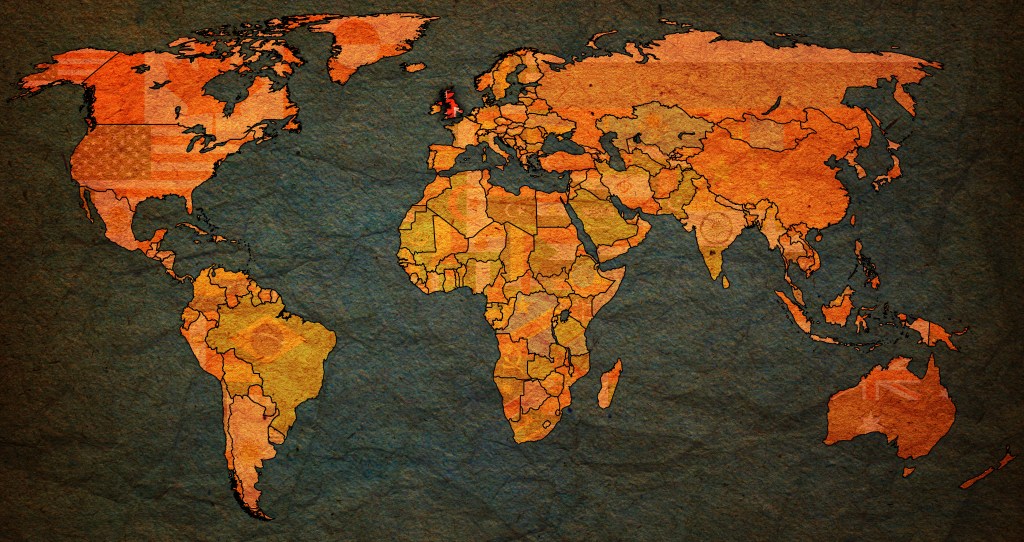
This is part of the vision of John that was written down and preserved for us in the Book of Revelation:
“The seventh angel sounded his trumpet, and there were loud voices in heaven, which said: ‘The kingdom of the world has become the kingdom of our Lord and of his Messiah, and he will reign for ever and ever.’”
Revelation 11:15 NIV
As believers, we accept that this vision was from God, and it relates to future events (events that would take place after John experience this vision). We don’t know the timing of this particular event, but I think it is safe to say it has not happened yet.
Many people have spent much energy and time trying to discern when Jesus is coming back. Jesus said we won’t know when he is coming, so I figure our time is not well spent trying to figure it out.
All I know is that we haven’t heard this trumpet yet. That means the Kingdom of the world is not yet under the lordship of Christ, and I believe our time is better spent determining what we should be doing about that reality until that trumpet sounds.
The kingdom of this world began when Adam and Eve stepped foot out of the garden, and it continues today. Revelation and other books in the Bible reveal that the kingdom of the world is under the sway of dark powers that rebel and go against God and his purposes. We do not live in a world that is presently in submission to God.
We also don’t live in a world that is controlled by us. We sometimes seem to think and act as if we do control it or that we can control it, and we sometimes act as if God wants us to seize control of it. But does He?
I don’t think so! I believe Jesus blew the lid off of that idea, which is the same belief the Hebrews had in the First Century. They thought that the Messiah would come and set up his throne, then and there. Instead, the Gospels reveal that God became man – the Messiah – and he subjected Himself to the dark forces that control the world by giving up his life to them.
This is the upside down “wisdom” of God. Turn the other cheek; love your enemies; lay down your life for others: this is what Jesus taught us to do, and this is what he did! He taught us to do the same thing when he said:.
“If anyone would come after me, let him deny himself and take up his cross and follow me. For whoever would save his life will lose it, but whoever loses his life for my sake will find it. For what will it profit a man if he gains the whole world and forfeits his soul? Or what shall a man give in return for his soul?”
Matthew 16:24-25
Jesus doesn’t qualify these things. He doesn’t say that we should live this way, providing that the world is good. He knew precisely how bad it was, and it still is.
He also didn’t tell us to go out into the desert and wall ourselves off from the world. Jesus went right into the heart of the world.
He walked its dusty roads and littered streets. He met people where they were. He stood before its corrupt leaders, religious and civil, and he preached the good news of God’s kingdom – a kingdom that is available to the believer right now, the ultimate establishment on earth of which is yet to come.
Notice that John in his vision refers to the kingdom of the world in the singular. We tend to divide nations into good and bad. We tend to think that some nations are good and and others not so much. We tend to think our own nation is on the good side of the ledger.
I have news for you! There are only two kingdoms: the Kingdom of God, and the kingdom of the world. The kingdom that rules this earth right now is the kingdom of the world.
Furthermore, the kingdom of this world consists of many different iterations. The kingdom of this world includes China, Russian, Iran, Germany, Brazil, Mexico, the United Stated and even Israel. The kingdom of this world includes all the various states, provinces, regions, cities, and governmental and civic organizations that exist.
That fact hits home with me today as I consider the words of John, the Revelator, that the kingdom of the world will become the “Kingdom of our Lord and of his Messiah” in the day when that seventh trumpet sounds. That facts hits home especially hard as I think about the fact that the seventh trumpet has not sounded. Yet
Continue reading “Taking Inventory of the Kingdom of the World and Our Place in the World”



 Navigating by Faith