 We need both science and religion to truly understand the world we live in, and we need to allow both to inform us.
Source: Science & Religion: Taking Hold and Letting Go
We need both science and religion to truly understand the world we live in, and we need to allow both to inform us.
Source: Science & Religion: Taking Hold and Letting Go

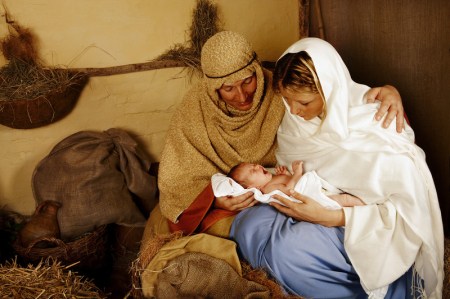
Christmastime is a time to consider the birth of Christ. It’s “the reason for the season”, as the saying goes. Even with the busyness, commercialism and looming red eclipse of Santa, we usually pause to connect the dots to the birth of Jesus.
Whether you wish people a Merry Christmas or Happy Holidays, Christmas involves some acknowledgment of the birth of a man who was called Jesus who lived and died in the 1st Century in the region we identify as Palestine and Israel today. Here, in the confluence of Roman, Greek, Jewish and pagan influences, an obscure carpenter who lived maybe 33 years began a movement in human history that has spanned the globe and stood the test of time.
That movement has become the largest religion in the world today found on every continent and in every corner of the world. It is largely responsible for all the fundamental values of Western Civilization, though many people in “the west” have lost of sight of its influence. As appreciation seems to be waning for those foundations in the west, its influence is spreading in the east and global south.
It flourishes in the cold, communist climate of China and in the hotly hostile religious climate of Iran. It has made its way into the far reaches of the earth, down remote jungle streams and over barren desert sands to touch all people groups of the earth.
The circumstances of the birth of this influential, but humble, man are shrouded in mystery and quiet awe. Though many doubt the claims attached to him, no one can doubt his time enduring and global influence. His birth is the pivotal moment in human history and the pivotal point of God’s plan for his creation if we believe what has been told.
Continue reading “Christmas thoughts: Humble Beginnings, Worldwide Ends”
 Though men will often hate each other, war with each other and struggle to live together in harmony, God remains constant, offering the hope of eternal promise and unconditional love.
Source: Thanksgiving Thoughts


I’m shocked and delighted to see this new study reported in the Weekly Standard, of all places. I guess everyone has an intuition that conservative churches that focus on the Bible have been growing in attendance. And progressive churches that focus on feelings and peer approval are in decline. But now we have some numbers […]
via New study: decline in mainline church attendance linked to progressive theology — WINTERY KNIGHT

Lead Pastor at V1 CHURCH INC
Take a few minutes to slow down and think about what's going on in your world...
Letters on my journey of rediscovering hope
"The LONG VIEW ON THE HIGH ROAD" -- Intriguing perspectives on life
Using the wisdom of the past to enhance your future event