I go back from time to time to the early “church fathers” for perspective. Most recently, I have focused on what we call The Epistle of Mathetes to Diognetus (the “Letter”). Even when translated from the Greek language in which it was written, the words and thoughts ring foreign to our American ears.
As I read this early Letter, I am impressed that Christians in the 21st Century have much to learn from 2nd Century Christians. They lived into the message of Jesus in ways that we seem to have long since forgotten
We don’t know who the author was. The Greek word, “mathetes“, merely means “student”. The person or ruling family to which the letter was written is also uncertain. We only know it was written in the early to mid 2nd Century.
The Church had grown slowly but steadily into the 2nd Century. Persecution ebbed and flowed around those early Christians, but they were more generally ignored and almost universally despised. In many ways, Christians were a complete oddity. They didn’t fit into the pagan (Greco/Roman) culture or the Jewish culture.
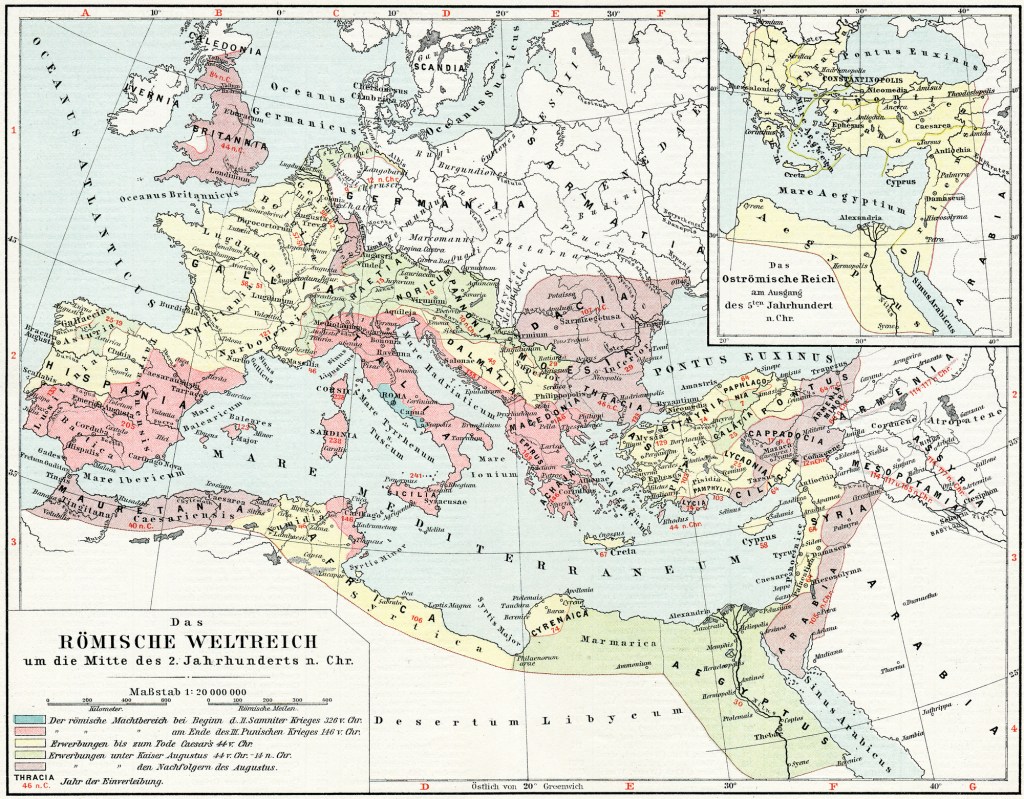
Christianity was centered in Jerusalem until the Roman war against the Jews and the destruction of the Temple in 70 AD. Christians scattered at that point, though Jerusalem remained one of many hubs of Christian life. The 2nd Century was a time of decentralization and spreading out throughout the Roman Empire and beyond – into areas of Africa and Asia, some of which were controlled by the Roman Empire, and some not.
According to the Letter, Christians were not physically, culturally, or linguistically distinguishable from the people in the many places in which they lived. They were distinguishable in other ways:
“But, inhabiting Greek as well as barbarian cities, according as the lot of each of them has determined, and following the customs of the natives in respect to clothing, food, and the rest of their ordinary conduct, they display to us their wonderful and confessedly striking method of life. They dwell in their own countries, but simply as sojourners. As citizens, they share in all things with others, and yet endure all things as if foreigners. Every foreign land is to them as their native country, and every land of their birth as a land of strangers.”
The Epistle of Mathetes to Diognetus
chapter 5
The most distinguishing feature of those Christians, according to the author of the Letter, was their “striking method of life”: they lived as strangers in their own countries. Though they were citizens in those countries, they “endure all things as if foreigners”.
We might be tempted to think that the “uprootedness” of early Christians was merely a product of rejection and persecution by non-Christians, but the Apostle Peter suggests otherwise: Christians are a “royal priesthood” and a “holy nation” who live as “foreigners and exiles” in this world. (1 Peter 2:9,11) This echoes the writer of Hebrews, who described all great people of faith as “foreigners and strangers on earth”. (Hebrews 11:13)
These passages in the New Testament epistles highlight a fundamental trait of Christians in the world at that time. But not just at that time; Jesus spoke to all his followers (including us) when he said, “[Y]ou are not of the world” (John 15:19), and, “My kingdom is not of this world.” (John 18:36)
How strange are these words and concepts to modern Americans! From the earliest days of our youth, we are taught about our freedoms and rights as American citizens. In contrast, 1st and 2nd Century Christians enjoyed some rights as citizens of the various countries in which they lived (maybe not as robust as the rights we enjoy), but they lived as if they had none. And, this was their “distinguishing “striking” feature as a people! It is what made them stand out.
They marry, as do all [others]; they beget children; but they do not destroy their offspring. They have a common table, but not a common bed. They are in the flesh, but they do not live after the flesh. 2 Corinthians 10:3 They pass their days on earth, but they are citizens of heaven.
the Epistle of Mathetes to Diognetus
chapter 5
Second Century Christians lived as if they were really not of this world. And, this “feature “striking method” of living was noticeable. They adapted and fit into their surroundings and culture wherever they lived, except for this one thing: they lived like they were not citizens of the countries in which they lived – even if they were actually citizens.
They were outsiders wherever they lived because they lived like citizens of heaven. They fit in wherever they went, but they stood out by their allegiance to loving God and loving others. How strange and foreign that may seem to us!
Continue reading “What Is the Place of Christians in the World?”

 Navigating by Faith