
Daniel Mann does a good job of explaining Why Christ, as God Incarnate, Had to Die for Our Sins. In reading his explanation, my mind goes to statements like God’s “transcendent love” and “total abhorrence for sin”, God’s “righteousness” and “divine forbearance” for sin, and the price that had to be paid “to satisfy God’s righteous character”.
Daniel describes his own reaction to these concepts formerly, as a non-Christian. He felt God was a “deceiving sadist” until one day he realized that Jesus was God incarnate, that God did not merely sacrifice a created being – God sacrificed Himself in human form!
Indeed, that is the central point of Christian belief, which is described beautifully and poignantly in Paul’s letter to the Philippians (2:5-8):
In your relationships with one another, have the same mindset as Christ Jesus:
Who, being in very nature [form of] God,
did not consider equality with God something to be used to his own advantage;
rather, he made himself nothing
by taking the very nature [form] of a servant,
being made in human likeness.
And being found in appearance as a man,
he humbled himself
by becoming obedient to death—
even death on a cross!
These things would be small consolation, also, if not for the victory on the other side of the cross (Phil. 2:9-11)
Therefore God exalted him to the highest place
and gave him the name that is above every name,
that at the name of Jesus every knee should bow,
in heaven and on earth and under the earth,
and every tongue acknowledge that Jesus Christ is Lord,
to the glory of God the Father.
That Jesus was fully man and fully God incarnated into a man is key to the understanding of Christianity. That God is three “persons” in one is also key, as it provides some explanation how God can incarnate Himself into the form of a man and die (in human flesh), though God remains self-existent and eternal, the Creator (and not a created being).
Not that there is no mystery in this. I concede this is hard for creatures who are limited dimensionally to wrap our heads around these ideas.
Finally, it explains how (and why) death to Jesus in the flesh had no power over him. As God incarnate, death “could not hold him”. (Acts 2:24)
But, I am not writing to clarify these aspects of Christian doctrine. I want to focus on Daniel Mann’s personal revelation that Jesus was God incarnate, and his death was voluntary – God sacrificing Himself, and not God sacrificing some created being.
This realization made all the difference for him. When he really understood this distinction, he began to see the love of God that was demonstrated in that act of self-sacrifice – something God did not have to to, but He did it for us because He loves us.
Other people, I know, are not convinced. Indeed, if a person understands Jesus to be human only, and not God incarnate, the story makes no sense.
Another stumbling block is God’s “abhorrence for sin” and the need to satiate a “righteous” God. These Christian concepts are foreign territory for many people. Why, if God is so loving, does He demand sacrifices for sin?
I think part of the problem we have making sense of these things is our understanding of God. Many people view God (not just Jesus) as a created being, Himself. This is true of anyone with a purely materialistic worldview or a pantheistic worldview.

The God of the Bible, however, is described as being totally “other” than the matter and energy (universe) He created. He exists “outside” of it. He isn’t subject to it. He isn’t bound by it. He doesn’t respond to it; the universe responds to Him.
In Christian terminology, we might call this the “sovereignty of God”, but that really isn’t an apt description for the concept that God is completely separate and distinct from the universe He created. A more apt description is transcendent. God transcends the universe He created. He is able to participate in it, but He is not “contained” in it.
Our words are inapt to capture the essence of such a transcendent God because they are locational, directional, and bound by the same limitations we experience as finite beings. Yet, we can grasp the essence of these things.
The notion of the sovereignty of God also exasperates the conundrum for us mere mortals: if God is loving, and God is sovereign, why doesn’t He just love us the way we are? (The way He created us!)
Before addressing that issue, I also need to highlight a common lack of understanding of the relationship of morality to God. The Euthyphro dilemma exemplifies this lack of understanding: are things righteous (morally good) because God commands them? Or does God command them because they are righteous (morally good in and of themselves, independent of God).
On the one hand, if things are righteous because God commands them, then why does God command a standard of righteousness that human beings cannot meet and then punish them for not meeting that standard? That doesn’t seem very fair (or loving)!
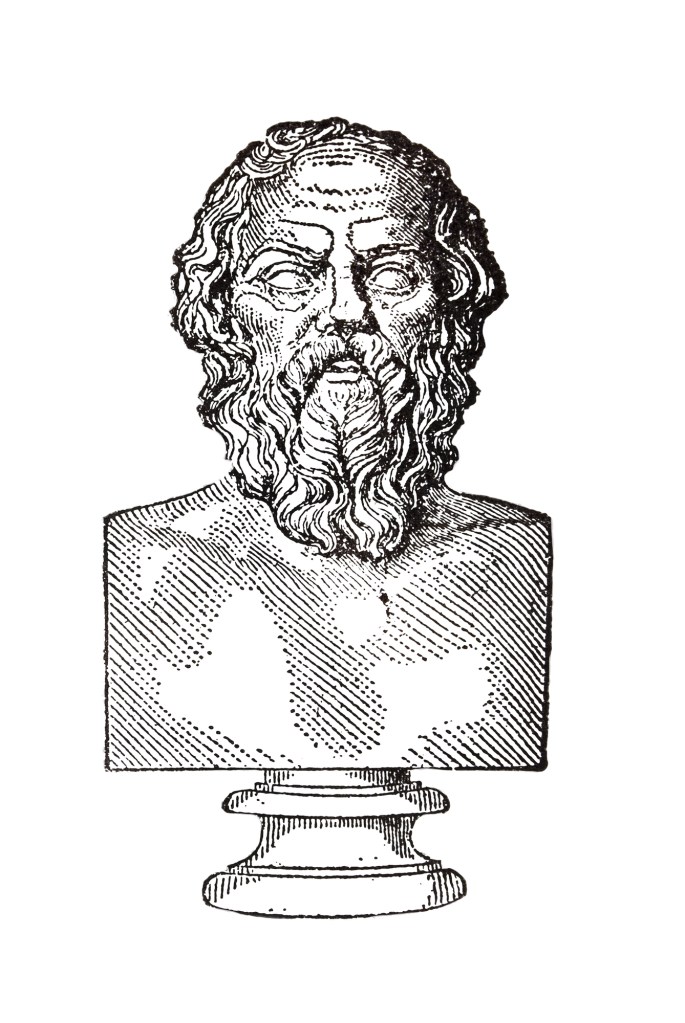
On the other hand, if righteousness exists independent of God, then God (Himself) is subject to righteousness, and God is not sovereign. This is the way that Socrates and the Greek philosophers resolved the dilemma.
Christians, however, believe that God is both all-powerful and all-loving, so the dilemma is truly a conundrum for Christian belief. Or is it?
The Euthyphro dilemma is a false dichotomy stemming from Platonic concepts of abstract ideals to which even the gods are subject. The Platonic ideals do not incorporate the understanding of God as described in the Bible (which I explore in more detail in God’s Love is Not Platonic).
Basically, the Christian understanding is that righteousness (the moral good) does not exist independent of God, but righteousness also is not simply so because God commands or determines it to be so. Rather, righteousness (and morality) stem from God’s character. Righteousness (moral goodness) is so because it emanates from and reflects who God is. Righteousness flows from God, who is the source of righteousness in His essence.
At this point, we have to stop and admit that some of this is shrouded in mystery. This isn’t just a copout; it’s simply an acknowledgment that we are finite beings with limits to our knowledge and understanding trying to get our arms around an infinite God with no such limits.
That doesn’t mean, however, that we can have no understanding. Nor does it mean that we can not make any sense of these things.
There is no way I can do that, of course, in a short blog article, but I hope to get us off in the direction toward understanding why a loving God “requires” blood sacrifice for sin to satisfy his justice and his righteousness.
First, as with the Euthyphro dilemma, I don’t think God requires it simply because He determined it must be so. I also don’t think God is subject to a requirement that is external to Him. These realities extend from Him.
Thus, I believe the requirement of an atoning sacrifice is necessary due to the nature of God (who He is) in relation to us (His creation). God isn’t subject to this requirement (only we are), but He chooses to subject Himself to it in order to elevate us and bridge the gap between us (created beings) and Him (the Creator).
On the one hand, God is perfect. He is perfectly who He is. And we are not.
We are not perfectly aligned with who God is, at a minimum, because God gave us agency – the ability to choose our own way. I believe this, too, was necessary for the accomplishment of God’s purpose, which is to allow us to have a loving, reciprocal relationship with God.
But the agency God gave us resulted in us choosing to go our own way, and that sets us in opposition to God. Like two magnets aligned against each other, we are repelled from God – not because God wills it or is subject to some external force, but because of the nature of who God is and the nature of who we are in relation to God – and the fact that He gave us a role in the relationship, the ability to love Him or not.
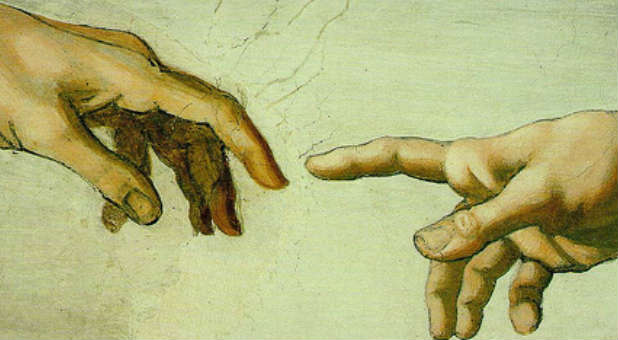
Again, I believe it was necessary for God to allow us agency in order that we might be able to have reciprocal relationship with God – to love Him. Without that agency, we could not love, which is ultimately a choice.
Love could not be programmed into us because love in the highest and purest sense (the divine sense) requires agency – personal choice. We must choose to love, and we must want to choose to love for us to love in this sense.
I am not sure that blood sacrifice necessarily had to be the form in which redemption or atonement must be accomplished, but (perhaps) that is the way it all played out. Because humans have agency, we are players in this cosmic dance with God, and we have had some part in determining how it all plays out.
God is sovereign, yet. God’s purpose will be accomplished. His purpose is accomplished, however, in relation to and in response to our agency in the process.
Humans long ago perceived gods as capricious and arbitrary, and believed that gods demanded sacrifices, even human ones. God found in Abraham a man who perceived that the God of the universe was different than the gods his culture conceived.
Because of his culture, however, he perceived that the God of the universe could and would demand sacrifice, and that such a God should not be denied even the sacrifice of his only child. Even if that child was the sole heir to the promises God made.

In the mind of an Ancient Near Easterner, a man would have no choice, but to offer the ultimate sacrifice or suffer the consequences of refusing. God uses Abraham’s understanding, limited as it was, to reveal to him that God is not like Abraham’s cultural concept of what gods are like.
In place of Abraham’s son, God supplied an alternate sacrifice – a ram caught in the thicket. From this, Abraham understands, albeit primitively, that God, Himself, supplies the fix for man’s dilemma.
How does finite man who has an innate inclination to go his own way enter into a truly reciprocal relationship with an infinite God?
Hold that thought for a 1000 or so years: God becomes flesh at the perfect time in human history to reveal His true character and heart. We are told that Jesus is the “exact representation of [God’s] being”. Hebrews 1:3) Picking up on the theme God was able to establish with Abraham and sustained through the Law of Moses with the Jews until the time of Christ, God (in Christ) offered himself as the ultimate sacrifice for man’s sin (our waywardness and opposition to God).
In doing this, God reveals how much He loves us: “Greater love has no one than this: to lay down one’s life for one’s friends.” (John 15:13) God satisfies His own perfect justice and offers us His perfect righteousness which we can receive as a gift freely offered to us. We are able to accept it freely because we still have the agency He gave us.
The same agency that allowed us to go our own way, to sin, and to subject God’s creation to corruption allows us also to choose Him, to submit ourselves to Him and to His ways and to receive His ultimate sacrifice – the gift of laying His human life down for us!
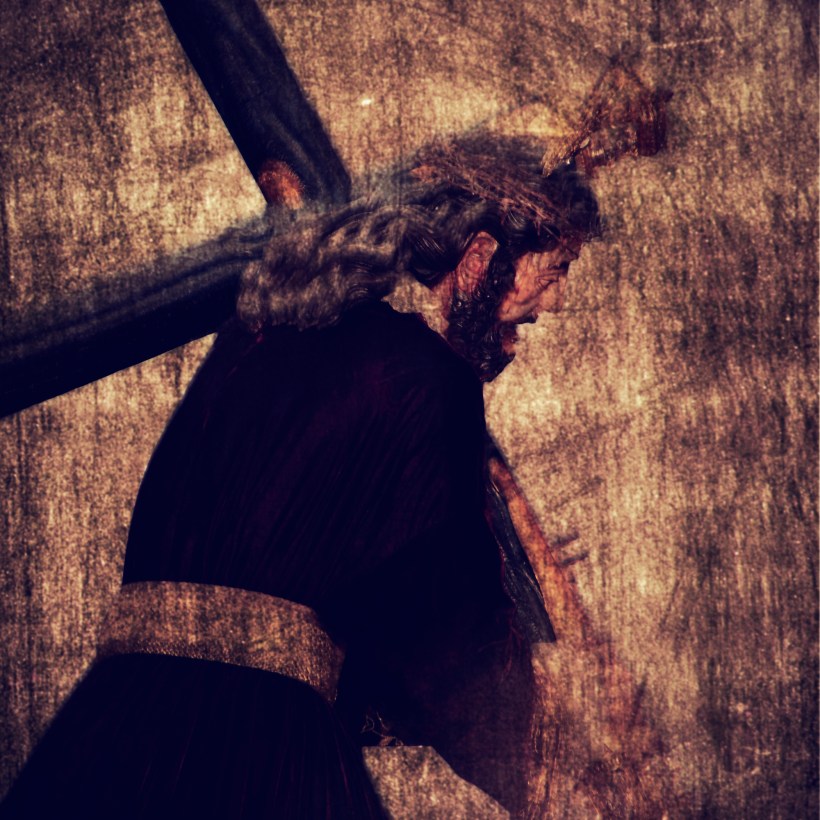
We are able to identify with God’s love for us because God demonstrated His love for us in human terms and on human conditions. We are able to love Him freely and voluntarily from the heart because what He did for us was beautiful. It resonates with us, and we desire to love Him because He first loved us and demonstrated that love in the most self-sacrificial way on the cross.
Ultimately, divine love is self-sacrificial. God didn’t have to create us or to love us. The very act of creating us with the ability to exercise agency that He gave us was self-sacrificial.
God is love. Love is in God’s very essence and character, and love is defined by who God is. Love isn’t an abstract ideal; love is a Person, and love is realized by us in personal connection with God and others.
I am only scratching the surface here. The depth and nuance of these things is great. God is “bigger” than we think He is. Our language, experience, knowledge and understanding is limited because we are finite, created beings, but God has built enough of Himself into us that we can begin to grasp the reality of God and His love for us.
Christian terms and principles can seem foreign to us, even to those of who have grown up with some experience with church. When we truly begin to understand the meaning behind them, that light illuminates everything. We see the world (and God) in a different way.
We can begin to have relationship with God, now, though we are limited (now) in our understanding and our ability to understand. When we begin to understand the depth of God’s love for us, these words from Paul give us hope: “No eye has seen, no ear has heard, and no mind has imagined what God has prepared for those who love him.” (1 Cor. 2:9)
In the meantime, these words from Paul are the reality in which we live: “For now we see only a reflection as in a mirror; then we shall see face to face. Now I know in part; then I shall know fully, even as I am fully known.” (1 Cor. 13:12)

 Navigating by Faith
This is from John Piper…”The wisdom of God has ordained a way for the love of God to deliver us from the wrath of God without compromising the justice of God.
LikeLike
Kevin, As usual, you write with great clarity and depth even through your explanations are made simple, as they should be.
I too think that we are quite limited in trying to understand a Being who is uncaused along with His attributes. But here is one hope: We are created in His likeness: Ephesians 4:24 and to put on the new self, created after the likeness of God in true righteousness and holiness.” Perhaps by understanding our nature we can also begin to understand His.
LikeLiked by 2 people
Yes! And we have Jesus, who was the exact representation of God in the flesh.
LikeLike