
The passage in Numbers 20:1-13, which I quote below (in the NIV), has puzzled me in the past. It didn’t sit well with me, and I figured I simply didn’t understand it well.
As with many things I don’t understand well, I often “shelve” them for later consideration. Later is now, as I have just read through the passage again in my yearly journey through the Bible. This is the setting:
“In the first month the whole Israelite community arrived at the Desert of Zin, and they stayed at Kadesh. There Miriam died and was buried.”
Miriam, the sister of Moses and Aaron, had just died. Not much is said about her death, but Moses and Aaron must have been grieving. That grief on top of resistance from the Israelites they were trying to lead according to God’s direction, and the harsh circumstances of the desert must have weighed heavily on them.

“Now there was no water for the community, and the people gathered in opposition to Moses and Aaron. They quarreled with Moses and said, ‘If only we had died when our brothers fell dead before the Lord!'”
I believe their “brothers” who “fell before the Lord” refers to Korah who led a rebellion against Moses. (Numbers 16) Korah challenged Moses and his right to lead the Israelites, because Korah was not happy with his clan’s roll in caring for the Tent of Meeting. In challenging Moses, he was basically saying, “Who put you in charge?!”
Instead of confronting Korah directly, Moses set up a test before the people to allow God to identify who was in charge. When Korah and his clan burned incense, the ground rumbled, and Moses told the people to back away from Korah and his tribe of rebels as the ground swallowed them up.
Not long afterward, the wanderings of the Israelites brought them to the Desert of Zin, where the Israelites became so angry and distraught about the conditions in the desert that they wished they died with Korah in rebellion against God. The desert conditions must have seemed pretty inhospitable. Moses was losing the hearts of the people, and they were turning against him. Again! The people said:
“‘Why did you bring the Lord’s community into this wilderness, that we and our livestock should die here? Why did you bring us up out of Egypt to this terrible place? It has no grain or figs, grapevines or pomegranates. And there is no water to drink!’”
Of course, Moses was God’s man. That fact was demonstrated graphically in the Korah situation, but they continued to take their dissatisfaction over their circumstances out on Moses. Instead of God, they blamed Moses for their situation. When Moses and Aaron the assembly of the people, the made a beeline for the entrance to the tent of meeting where they “fell facedown”, and “the glory of the Lord appeared to them.”
Moses and Aaron knew the score. They knew that the people were really finding fault with God, not Moses or Aaron. They were intimate enough with God to know that God was not to be trifled with.
When the glory of God appeared to them, they should have been emboldened to stand resolute on their confidence in God’s direction. They should not have doubted that God was with them. Right?
Of course, the Israelites should not have doubted that God was with them, either. God’s visibly demonstrated Himself to them over and over again. His visible presence went with them in a pillar of cloud by day and fire by night. They had seen the demonstrations of the power and holiness of God at the Red Sea, at Mount Sinai and in the ground swallowing up Korah and his band of rebels.
What more did they need to see to understand that God was with them?
Yet, they did not trust that God had their back. God gave them manna every morning, and God gave them so much meat when they demanded meat that it came out of their nostrils. Yet, they continually grumbled and complained and wished they were back in Egypt.
Something had to be done to put down the unrest!
“The Lord said to Moses, ‘Take the staff, and you and your brother Aaron gather the assembly together. Speak to that rock before their eyes and it will pour out its water. You will bring water out of the rock for the community so they and their livestock can drink.’” (Emphasis added)
The instructions were simple and pretty clear: take the staff and speak to the rock.
“So Moses took the staff from the Lord’s presence, just as he commanded him. He and Aaron gathered the assembly together in front of the rock and Moses said to them, ‘Listen, you rebels, must we bring you water out of this rock?’”
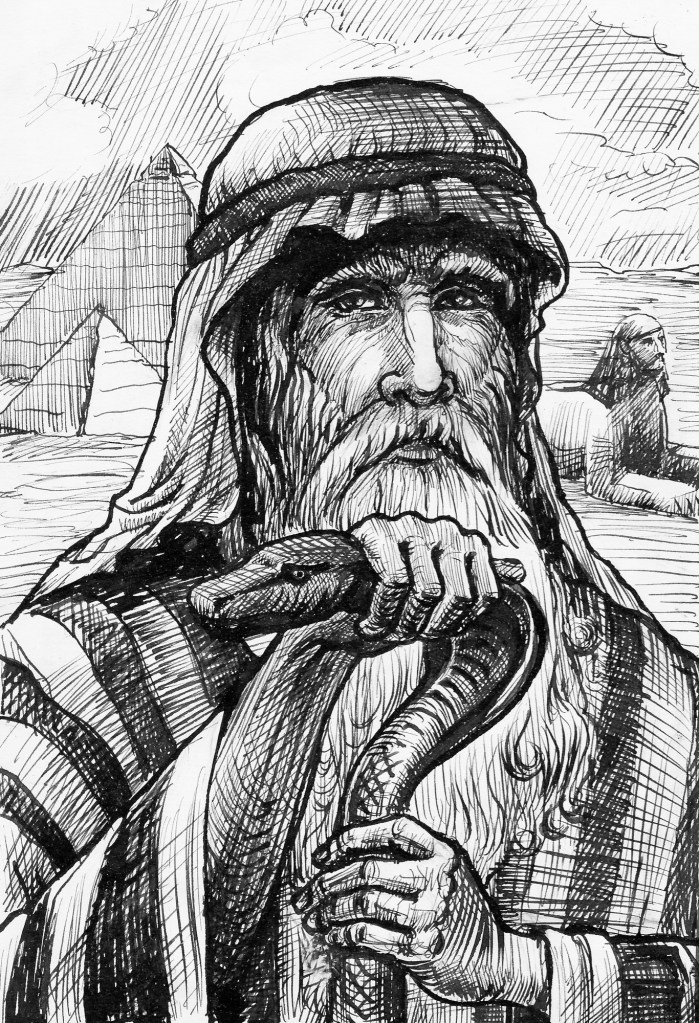
Moses started out all right. He took the staff as he was commanded, but things begin to go off the rails after that. Moses was obviously perplexed that the people were so angry, and he might have been taking it personally. Instead of speaking to the rock, Moses turned and spoke to the people, and he was full of wrath for them in that moment.
It’s hard for me to blame Moses for feeling this way. I am sure I would take it personally also. It was personal!
The people were obstinate. What more could Moses do to demonstrate that God put him in charge?! Yet, they continued to challenge Moses and blame him for their unsatisfactory conditions.
Moses knew better, but it seems his own emotions got the best of him. He took their opposition personally, and his anger led him to forget God’s instructions to him:
“Then Moses raised his arm and struck the rock twice with his staff. Water gushed out, and the community and their livestock drank.”
The result was good, right?
But, Moses didn’t do exactly what God commanded him. God told him to speak to the rock. Instead, Moses spoke to the people, and Moses struck the rock with his staff. These clues pop when God responds:
“But the Lord said to Moses and Aaron, ‘Because you did not trust in me enough to honor me as holy in the sight of the Israelites, you will not bring this community into the land I give them.'”
I have long thought that the punishment didn’t fit the crime. Perhaps, I didn’t understood the significance of these things. God’s response seemed harsh in light of the faithfulness of Moses before Pharaoh, in receiving and delivering the Ten Commandments, and in putting up with the grumbling, and complaining, and obstinance, and waywardness of the Israelites, but maybe I was missing something.
Keep in mind that Moses grew up in luxury and privilege in Pharaoh’s household. The Israelites were “his people”, but only by genetics. Moses put up with a lot with these people he didn’t grow up with and didn’t even know very well. It seemed to me that Moses had been pretty faithful to God but clearly, his disobedience to God was more significant than I have appreciated.
Continue reading “Lessons from Moses of Faith, the Lack Thereof and the Purposes of God”




 Navigating by Faith