Sometimes we get lost in the forest and miss the trees. Below is a take on Genesis from 30,000 feet as told by some creative folks at www.http://jointhebibleproject.com/ I enjoyed and the fresh look at age old stories put together in an overview. Below is my breakdown. At the end of this article is a link to the entertaining video.
God & the World
God made the world and declared it is good
God made man in God’s image: Adam is the Hebrew word for humanity; and Eve is the Hebrew word for life. Representative of God’s character in the world God made.
God sends them out into the world to be creative, as God was, but he gives them a moral choice about how they do it.
The moral choice is what the tree of the knowledge of good and evil is all about
God tells them not to eat of it or they will die.
Up to that point God provided and defined what is good (His creation)
God has the knowledge of good and evil and made it attainable for humans (the choice)
The tree represents that choice: will humans accept God’s definition of what is good, or will they define what is good for themselves.
This sets the stage for sin – the desire and act of defining and controlling what is good for me and my tribe, even at the expense of you and your tribe
People are not good at defining good and evil without God – Genesis 3-11
Downward spiral
Adam & Eve can no longer trust each other – they were naked and felt fine about it before, but now they feel shameful after eating the forbidden fruit and hide from God and each other
Cain becomes jealous of Abel and kills him
Lemak accumulates wives, property and sings songs of being more violent than Cain and is proud of it
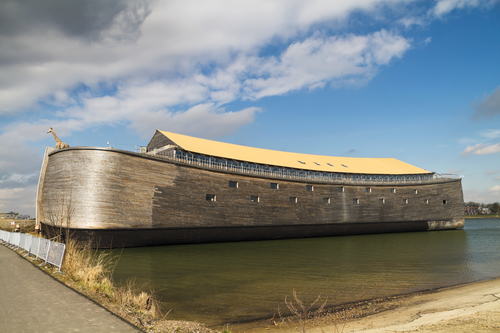
Things get so bad that God proceeds to wipe out humanity except for Noah and his family
We think of God as angry, but he is sad and grief stricken; to save the world He washes it clean with the flood
But even Noah takes a turn – he plants a vineyard, gets wasted and things get sketchy
Babel ends this portion of Genesis – God knows that men, if unified, will seize the opportunity to seek to become like God and that will be bad
God scatters them so they can not wreak anymore havoc
When humans seize autonomy from God and define good and evil themselves it results in corruption, tragedy and death
Abraham & His Family
Begins God’s mission to rescue and restore humanity
Before the video link, I want to make a few comments. First, it seems elemental to me that God creative Adam and Eve to be creative beings like God (in the image of God), but the link between that and the tree of knowledge of good and evil I find interesting. God gave them a choice to accept what God provided them and defined as good or to eat of the tree and define what is good for themselves. I have not heard things put exactly that way before.
Building on that, the choices that humanity makes are awful. Cain kills Abel. The strong become boastful of violence and domination over others. Even after the flood “cleanses” the world for a fresh start, Noah, himself, stumbles into weirdness. And when humankind repopulates, they become unified in an endeavor to reach the heavens for themselves, which will only allow them to cause more trouble and damage than they would otherwise be able to do; so God divides them by language and scatters them. In doing that, He creates some checks and balances that minimize the trouble they can cause.
The beginning of Genesis is the story of the moral choice that humanity made, to seize control of defining good and evil for themselves, and rejecting God’s definition. It does not go well. We do not do well with the choices we make.
While the video ends here, the next portion of Genesis is summarized as the beginning of God’s rescue mission to save and restore humanity through Abraham and his family. We will have to wait for the summary of the rest of Genesis.
I am certain that the overview can be done in different ways and emphasize different aspects of the Big Picture. I think this overview is compelling. The fundamental choice that we all make is whether we will “do it my way” or submit ourselves to God’s way. Will define good and bad for ourselves or accept how God has defined it?
Here is the video: https://www.youtube.com/watch?v=KOUV7mWDI34
What is your take? Is this a good overview?




 Navigating by Faith