I started this short series focusing on the second epistle of Peter where Peter warns his readers about false prophets with “eyes full of adultery”, greed, and depravity who are slaves to their own sin. These people seduce the unstable and entice others by appealing to the lustful desires of the flesh. Peter says,
It would have been better for them not to have known the way of righteousness, than to have known it and then to turn their backs on the sacred command that was passed on to them.
These are fearful words of warning. Anyone who might feel enslaved to sin has likely felt angst when reading this words.
In the previous article, I note that the actions Peter describes are the fruit of people who have “known the way of righteousness” and the “sacred [holy] command” and have turned their backs and walked away. The fruits are the symptoms, not the cause.
The important thing for us, therefore, is to know the way of righteousness and the holy commandment, and not to turn our backs on them! In this follow up to that introductory article, I will focus on the way of righteousness.
The “way of righteousness” in 2 Peter 2: 21 is ὁδός, οῦ, ἡ (hodos) δικαιοσύνη, ης, ἡ (dikaiosuné) in the Greek, which means a way, road, journey, path of justice, justness, righteousness, righteousness of which God is the source or author, but practically: a divine righteousness.
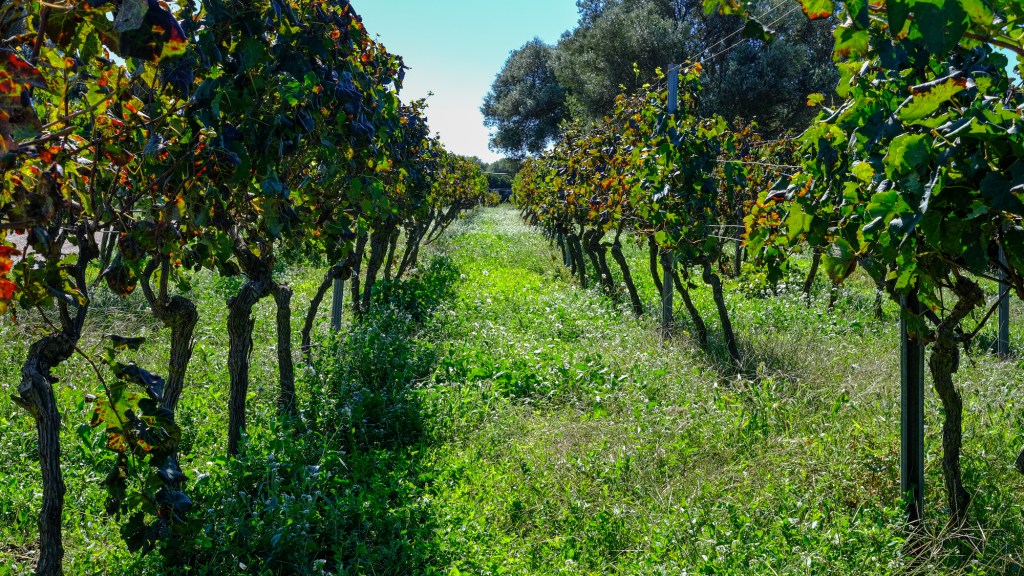
Hodos means not simply a direction, but a road, path or a journey. A road or path is specific, and a journey suggests all that is involved in the endeavor to reach a destination. Indeed, this is suggestive of a lifestyle or a way of living.
When Jesus told his followers that he was going to prepare a place for them, he was identifying the destination (the place where he was going), and he invited them (and us) to follow him. Jesus, of course, called himself the way (and the truth and the life), and “no man comes to the Father except through me.” (John 14:6)
We know from the whole counsel of Scripture that Jesus is not simply a good teacher to follow intellectually or a good person to emulate in our actions. Jesus is much more than that: he is the Living Water (Jn. 4:14) he is the Bread of Life (Jn. 6:35); he is the vine and we are the branches: “If you remain in me and I in you, you will bear much fruit; apart from me you can do nothing.” (Jn. 15:5)
The way of righteousness, then, involves “following” Jesus in the sense of internalizing him (like water and bread) and remaining connected in intimate relationship with Jesus (like the branches on a vine). This may be something we do, but it’s also something we allow God to do in us.
Dikaiosuné means righteousness and justice, and particularly in the Bible a righteousness of which God is the source or author: divine righteousness. If there is one message that rings loud and clear in the Bible it is that we do not achieve this righteousness; it is given to us by grace which we accept by faith.
The way of righteousness, therefore, means walking in the righteousness that God has graciously offered us, which we access through faith (trust) in what Jesus did on the cross to obtain that relationship by which we are justified to the Father. This is nothing we do; it is given by the unmerited favor of God.
The way of righteousness is living in reliance on what Jesus has done for us on the cross, submitting and following him in loving relationship, and not relying on our own efforts to achieve the ends we desire. But what is the “sacred command” that Peter says these people who once knew they way of righteousness have turned their backs on? I will address that “sacred command” in the following article. In the meantime, think about what Jesus commanded us to do.

 Navigating by Faith
One thought on “The Way of Righteousness and the Holy Command: The Way”