
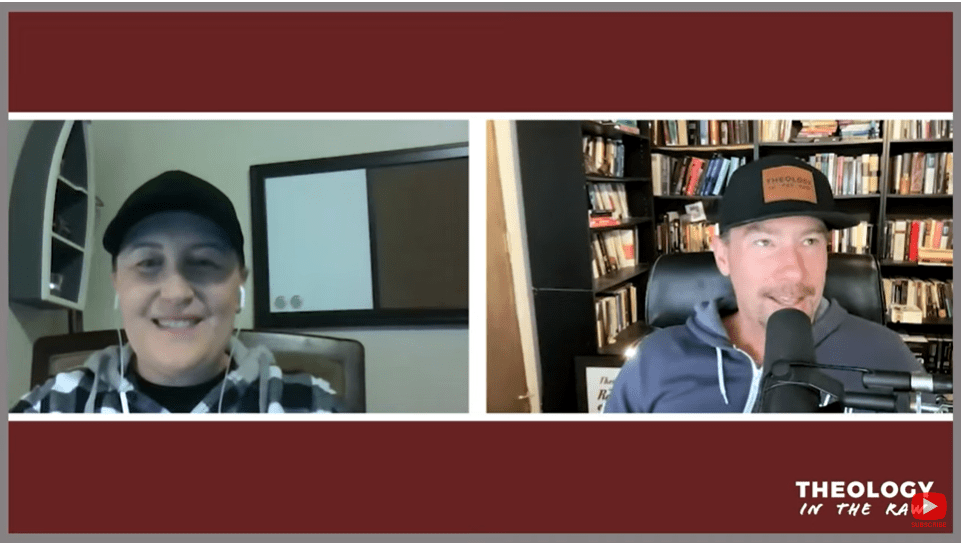
The title of this blog piece seems so simplistic. Yet, this simple statement spoken by Kyla Gillespie to Preston Sprinkle in their conversation on his podcast, Theology in the Raw, hit me like a breath of fresh new air this morning.
Before getting to my point in this article, I want to reference an article I previously wrote that was largely about my perspective in my journey to faith and through faith to the spiritual place I am now. I called it, God Meets Us Where We Are.
I mention my article because it was no small revelation to me that God amazingly accommodates to us in offering us salvation. “God demonstrates his own love for us in this: While we were still sinners, Christ Died for us!” (Romans 5:8)
Again, that title seems simplistic, not very insightful, really, more like a platitude. Yet, as I unpacked the revelation of God meeting us where we are in relation to my own life journey, it didn’t so simple. It certainly wasn’t obvious to me that God meets us where we are.
Most of the world, including me at one point in my life, believes that we need to become good enough for God. The goal of most world religions and of most people who are seeking to gain salvation, nirvana, or whatever concept of “heaven” or acceptance by the divine creator of the universe people have, is to meet whatever standard that is required.
When I was asked one day why Jesus should let me into his heaven, I immediately searched my life for the positive things I had done that hoped would convince him to let me in. I don’t think I was alone in that thinking.
When the man who asked me that question eventually told me (after patiently listening to me rattle off the good things I had done) that I could do nothing to earn my way into heaven, I was floored. I wasn’t even convincing myself that Jesus should let me in!
“You mean it’s a free gift?! No one can earn it, so no one can boast?” I recited to myself, asking rhetorical questions to wrap my head around that revelation bomb that was dropped on me! Mind blown!
I have never been the same.
I grew up in an era of spiritual seeking. From Zen Buddhism to Hari Krishnas, I was just another spiritual seeker trying to “find myself”. many people like me took to the road looking for truth and meaning anywhere we could find it. Even before Oprah, people were looking inside themselves and everywhere else for God and ultimate meaning wherever they could find it.
It really isn’t all that obvious that God would come after us. After all, he is the sovereign creator of the world. Why would he have anything to do with human beings who are here today and gone tomorrow? Who are we that God should come to us?
“[W]hat is mankind that you are mindful of them, human beings that you care for them?” (Psalm 8:4)
Yet, Jesus says God loves us! He knows each one of us so intimately that He can count every hair on our heads! He knows when we come and go; He knows the words we speak, even before they trip off our tongues; and He is near to us wherever we are! (Psalm 139)
His attitude towards us is like the shepherd who seeks a lost sheep when it has wandered off. (Matthew 18:12-14) He seeks after us!

The story of Kayla is complex. She struggled most of her life with same sex attraction and gender dysphoria. She ran from church because she didn’t think she belonged and sought meaning in her dysphoria and sexual identity.
We are not different than Kyla. Most people hide the complexity (messiness) of our lives from other people because of shame and confusion, and many other things. But, God knows us. Intimately.
And He loves us. He loves us enough to die for us in our current condition! He meets us where we are.
That basic concept is the backdrop for my thoughts today: If God meets us where we are; we need to be willing to meet other people where they are.
If you clicked on the link to the podcast a few paragraphs above, the conversation should start where Kyle gives the advice that we should meet people where they are. What makes her statement so poignant is the context in which she said it: she describes how people met her where she was and and the impact they had on her.
What makes her statement and story so poignant is the fact that gender issues, today, are so difficult for the church. It’s easy to compare a transgender person to a Samaritan and fail to grasp how incredibly difficult it was for a 1st Century Jew to accept (or even speak with) a Samaritan. The context is virtually the same as modern Christians and the LGBTQ+ community.
I am convinced that Jesus might tell the parable of a good trans person today in place of the parable of the good Samaritan. The seminary professor would be the one who asks Jesus, “What must I do to be saved?” It’s a simple question with a simple answer.
Jesus would ask, what does Scripture say. Instead of answering, “Love God and love your neighbor” (as the expert in the law did to Jesus), the seminary professor today might say, “Have faith. Trust in God. Accept what Jesus did on the cross and believe.”
This is, perhaps, unfortunate because “Love God and love your neighbor” still applies. That was the point of the parable of the good Samaritan. Just like the response the “expert in the law” gave to Jesus, the answer the seminary professor might give is right. But there is more to it!
The brother of Jesus reminds us that even demons believe in God. (James 2:19)
Loving others is a litmus test of sorts for the authenticity of our belief. (1 John 2:9-11) John acknowledges this when he says, “[B]elieve in the name of his Son, Jesus Christ, and … love one another as [Jesus] commanded us.” (1 John 3:23) (emphasis added) John goes on to describe what love is:
“This is love: not that we loved God, but that he loved us and sent his Son as an atoning sacrifice for our sins.” (1 John 4:10)
Jesus is the ultimate example of love. He was sent, which means that he came to to us, and he met us where we are. If we are going to be like him, we will do likewise and meet people where they are.
Kyla Gillespie is fortunate for the brothers and sisters in Christ who embraced her and did not try to change her. They loved her. They walked with her. They welcomed her alongside them in their own journey with Jesus.
This is what Jesus does with us. Jesus didn’t come into the world to condemn the world; he came to save it. (John 3:17) He came to seek and save the lost. He embraces us and gives the Holy Spirit to walk with us.
That doesn’t mean that God is content to leave us alone. To leave us as we are. Of course not! We are sick and need of a physician.
God’s Holy Spirit is that physician.
I am sorry, but I don’t want any person operating on my sinful heart! I want God, the Great Physician and Healer to be one who does open heart surgery on me.
We can either help with this process or get out of the way. We help by loving each other. We help by meeting each other where we are and walking with each other.
I encourage you to go back and listen to the entire conversation between Preston Sprinkle and Kyla Gillespie. We need to be able, as a body, to meet people in this world who have gender dysphoria and different gender identities and to love them.
Because God loves them. Because Jesus died for them. Like He did for us.
And we need to trust God to work in them as He works in us. Kyla is candid about how she struggles and wrestles with the issues in her life, and she is thankful for the brothers and sisters in her life who point her to Jesus and walk with her.
I struggle and wrestle with issues in my life, and I know that you (the reader) do also. Because you are human! If we claim to be without sin, we are liars. (! John 1:8) But, “If we confess our sins, he is faithful and just and will forgive us our sins and purify us from all unrighteousness.” (1 John 1:9)
We don’t do this journey alone. We do it in fellowship with each other. We need each other, and we need to love each other. Kyla’s story linked below is really good example of how we can do that today.


Glad to see this post. I have difficulty to accept a love one for her difficult character. Your reminder to meet people where they are indeed is what I need to do. Just as God meet me where I am. God bless 🙏🏼
LikeLiked by 1 person