The Minimalest, Non-Factual, Argument for the Resurrection

Perhaps, the minimalest, non-factual argument in favor of the resurrection isn’t a factual argument at all, but a philosophical one.

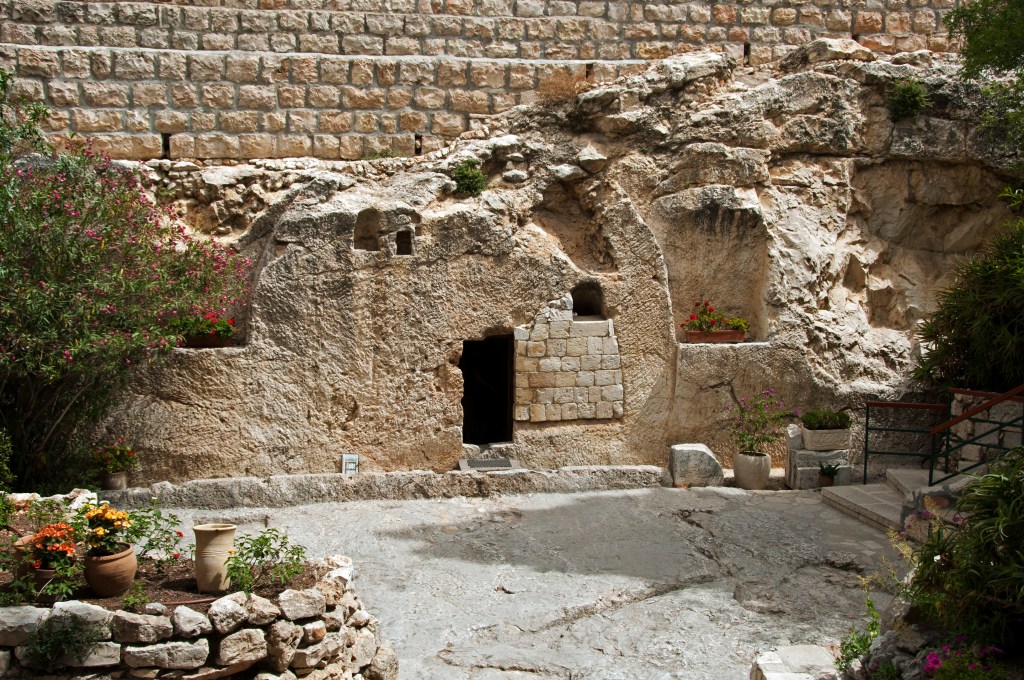
Thought to be the place of the resurrection of Jesus Christ in Jerusalem Israel

The title of this piece is tongue-in-cheek, a play on the “minimal facts” evidence for the resurrection made famous by Gary Habermas. I don’t really have a killer piece of evidence that uses fewer facts (or no facts) that trumps all other arguments. But, maybe I got your attention!

As often is the case, my inspiration comes from what someone said or wrote. In the podcast interview linked below, Mason Jones describes how he he decided to read through the Gospel accounts as an atheist who knew next to nothing about Christianity. He quickly caught on that the resurrection is the centerpiece of Christianity, so he focused his attention on that.

He researched the evidence for the resurrection. He googled arguments for the resurrection and arguments against the resurrection. Though he was an atheist at that time, he was willing to give the evidence that exists a chance. (Whether there was any, he didn’t know.)

As he considered the arguments and counterarguments, he found that the arguments against the resurrection didn’t address very well the arguments for the resurrection. They didn’t take them seriously.

Then he realized that the arguments against the resurrection only work if you start with the presupposition that the resurrection didn’t happen. Because it is impossible. Because people don’t come back to life. Ever.

If you take that presupposition out of the equation, thought Jones, the evidence favors the conclusion that the resurrection occurred, and the arguments against the resurrection loose their luster. If you want to hear the rest of Mason Jones’s thought journey from atheism to theism to Christianity in his own words, you can listen here.

Meanwhile, I want to spend a little time considering the presuppositions people make about the resurrection.

Continue reading “The Minimalest, Non-Factual, Argument for the Resurrection”
Previewing the Minimal Facts Critique of the Resurrection

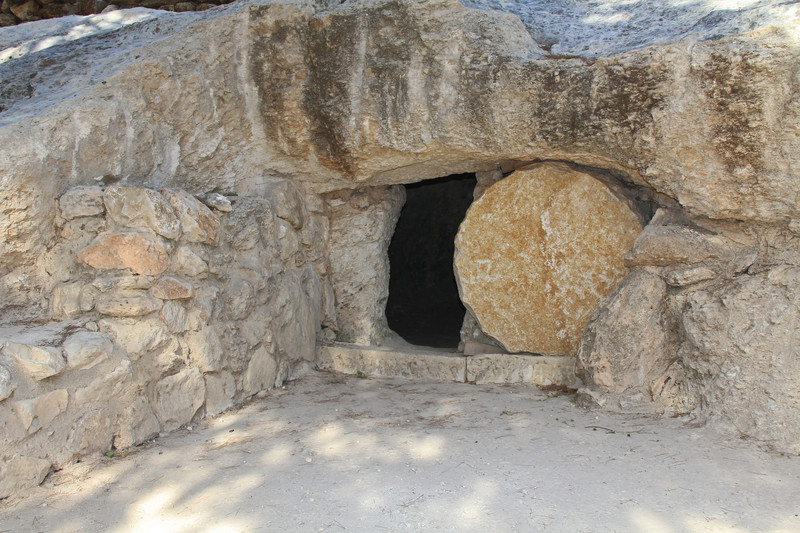
canstockphoto18553034


If Jesus Christ was not raised from the dead, Christians are to be pitied above all people. These are not my words, or even the words of a famous pastor or teacher. These are the words of Paul right out of his first letter to the Corinthians:

“[I]f Christ has not been raised, then our preaching is vain, your faith also is vain. Moreover we are even found to be false witnesses of God, because we testified [concerning] God that He raised Christ, whom He did not raise…. and if Christ has not been raised, your faith is worthless; you are still in your sins. Then those also who have fallen asleep in Christ have perished.  If we have hoped in Christ in this life only, we are of all men most to be pitied.” (1 Cor. 15:14-15, 17-19)

Christianity, far from being closed to reason, invites investigation. The importance of reason is built into the greatest commandment: love God with all your heart, soul and mind.

The earliest adherents to Christianity did not hide the fact that the resurrection of Christ is the central tenet of Christianity. They put it out there, front and center, and they were not shy to state the importance of the resurrection.

If the resurrection really happened, it is the single most important event in human history. If it is false, it is the single most influential hoax of all time. Christianity is built on the foundation of the resurrection, and without it, the entire structure of Christianity crumbles.

Dr Gary Habermas knew this when he was struggling with his faith, doubting the veracity of the Bible and Christianity. He knew that the resurrection was the central and crucial component of Christianity. If the resurrection did not happen, not only is the tomb not empty, Christianity is a complete and utter sham.

That was over 30 years ago when Dr. Habermas began exploring the claim that Jesus rose from the dead to confirm or deny his own doubts. That personal exploration led to a career of scholarship on the subject of the resurrection.

Continue reading “Previewing the Minimal Facts Critique of the Resurrection”