A number of significant personal “revelations” mark my way in life. Among them is one that occurred in college during a combined history/literature class. It was literally a turning point for me.
Among the books we read in that class were the Pioneers by James Fenimoore Cooper and Huckleberry Finn by Mark Twain. All the books we read explored the line between wilderness and civilization, the tension between man’s indomitable quest to conquer and civilize nature and his longing to be free of modern complexities and problems and return to nature.
Cooper wrote the Pioneers in 1823. It was fiction based on the “western frontier” of his time, with the setting in upstate New York in the finger Lakes area. The main character (the Leatherstocking, Natty Bumpo) was a grizzled old man who was more comfortable with the Indians on the other side of the lake than “his” people. His people were recklessly intent on taming the wilderness. He had more of a kinship with the Indians who respected nature and did not desire to tame it.
Cooper was among the earliest environmentalists. He was concerned about preserving the wilderness. In one of the most memorable segments of the book, he described the wanton abandon with which the pioneers heartily shot the slow Passenger Pigeons for sport, leaving destroying entire flocks at a time. The Passenger Pigeon has since gone extinct due to that kind of behavior.
Bumpo was not comfortable with his own crowd. He yearns to leave “civilization” and live in the wilderness. The book ends with him heading west to find untamed land.
Huckleberry Finn, of course, is the story of a young man cut out of a similar cloth. The time period is 1845, and the setting is much further west – along the Mississippi River. Just twenty something years after the Leatherstocking left upstate New York to find untamed country, Huckleberry Finn is struggling to conform with the “civilized” society of Hannibal, Missouri.
Huck had no more affection for the polite society of Hannibal, Missouri than the Leatherstocking had for his kind in Upstate New York. To Huck’s chagrin, the sliver of wilderness that he knows, the Mississippi River, is increasingly congested with paddleboats, commerce, and the constraints of civilized society. At the end of the book, Huck is last seen “lighting out for the west” just like Natty Bumpo, seeking untamed territory where Huck can live in peace the way he wants to live.
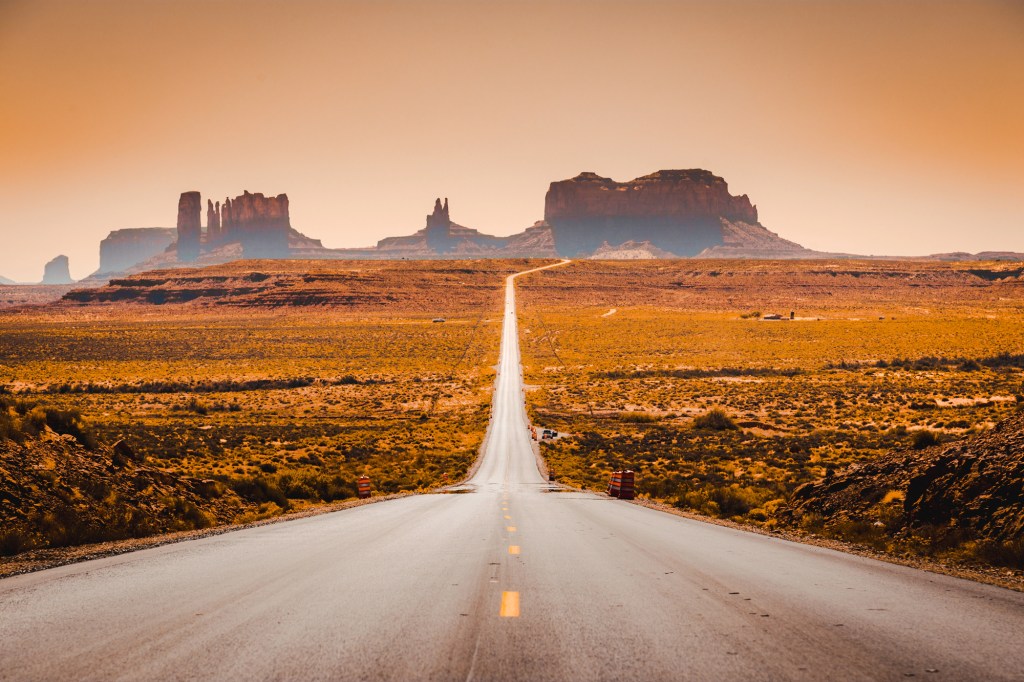
These books stirred a similar longing in me, but I realized that Huck’s westward trail would become a well-beaten path. The pioneers blazed the trail, but wagon trains and the Pony Express followed, then the railroads, then the transcontinental roads, then the highways, and then airports and jetliners. The sadness of having nowhere to run to hit my viscerally, and that visceral reaction led me to a turning point.
Continue reading “Lighting Out for the Wild West”
 Navigating by Faith